The integration of premium protective gear and rigorous safety protocols is the cornerstone of risk management in commercial apiculture. High-specification gear serves as the primary physical barrier against frequent venom exposure, while standardized procedures empower personnel with the training necessary for allergy prediction and self-rescue. Together, these elements drastically reduce the incidence of fatal occupational allergic reactions and ensure the continuous, safe operation of large-scale honey production.
For commercial apiaries, safety is not just a regulatory requirement but a critical factor for operational continuity and human capital preservation. High-performance equipment and standardized safety frameworks convert an inherently high-risk environment into a stable, efficient, and professional production field.
Mitigating High-Frequency Occupational Risks
The Escalating Threat of Venom Exposure
Beekeepers represent a high-risk occupational group because they are frequently exposed to bee venom. Research indicates that allergy rates among beekeeping professionals are significantly higher than those found in the general population.
The Necessity of a Physical Barrier
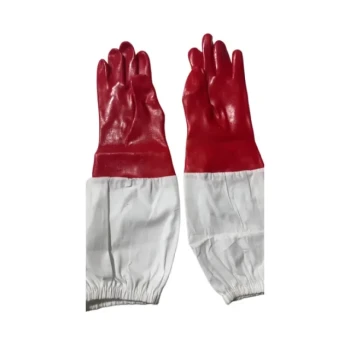
High-specification personal protective equipment (PPE), such as breathable and tightly sealed bee suits, acts as the primary defense. This equipment is essential to reduce the frequency of stings, which directly lowers the risk of developing life-threatening systemic reactions over time.
Systematic Training and Self-Rescue
Standardized allergy prevention procedures enhance the predictive capabilities of the workforce. Through systematic training, employees learn to recognize early signs of anaphylaxis and execute self-rescue protocols, ensuring labor safety in high-pressure commercial environments.
High-Specification Gear as a Strategic Asset
Engineering Precision and Operator Comfort
Industrial-grade bee suits utilize specialized sting-resistant fabrics and fully enclosed designs. These materials must balance protection with breathability to prevent heat stress during intensive summer harvesting and hive management.
Promoting Operator Calm and Precision
Reliable protection allows technicians to remain calm while handling aggressive or large colonies. This calm handling facilitates precise and gentle operations, which reduces bee mortality and colony stress caused by sudden, fear-based movements.
Enhancing Workflow Continuity
Professional-grade gear ensures that colony inspections and pest control tasks can be performed without interruption. By providing a reliable safety barrier, this equipment maintains workflow continuity and high-frequency operational standards.
The Economic Impact of Professional Safety
Improving Investment-Output Ratios
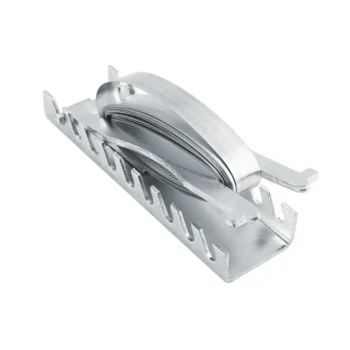
High-quality gear and maintenance tools ensure the long-term structural integrity of apiary assets. By reducing the frequency of hardware replacement and minimizing worker downtime due to injury, businesses can achieve a more favorable investment-output ratio.
Sourcing for Scalability
For distributors and wholesalers, providing a comprehensive full-spectrum product portfolio is essential. One-stop sourcing for high-spec gear allows commercial apiaries to standardize their safety equipment across multiple locations efficiently.
Rapid Response and Supply Reliability
In commercial settings, equipment failure can halt operations immediately. Utilizing suppliers with ultra-fast delivery and efficient order fulfillment ensures that apiaries can replace damaged gear or scale their workforce without compromising safety standards.
Navigating Operational Trade-offs
Initial Investment vs. Long-Term Reliability
The primary trade-off involves the higher upfront cost of high-specification gear compared to budget alternatives. However, the long-term sustainability of the enterprise depends on reducing medical liabilities and retaining experienced staff.
Standardized Procedures vs. Operational Speed
Implementing standardized safety protocols may initially appear to slow down onboarding and daily routines. In reality, these procedures prevent catastrophic failures and ensure that the apiary can maintain a high-frequency operational pace without compromising life safety.
Maintenance Requirements of High-Spec Gear
Advanced protective fabrics often require specific cleaning and storage conditions to maintain their sting-resistant properties. Neglecting this maintenance can lead to a false sense of security and increased risk of puncture during field operations.
Making the Right Choice for Your Goal
To provide the best value to your clients, you must align your product offerings with their specific operational objectives.
- If your primary focus is workforce retention and safety: Prioritize high-specification bee suits with breathable fabrics and verified seal integrity to minimize the cumulative risk of venom sensitization.
- If your primary focus is operational efficiency and scale: Focus on standardized allergy prevention kits and one-stop sourcing to ensure all technicians follow the same safety and maintenance protocols.
- If your primary focus is long-term cost reduction: Invest in industrial-grade maintenance tools and durable protective gear that offer a longer service life and reduce the frequency of hardware replacement.
Empowering your clients with professional-grade safety solutions is the most effective way to ensure the long-term sustainability and profitability of commercial beekeeping enterprises.
Summary Table:
| Key Factor | High-Spec Gear Benefit | Commercial Impact |
|---|---|---|
| Worker Safety | Primary physical barrier against venom | Reduces occupational allergy rates & liability |
| Operational Flow | Breathable, ergonomic design | Maintains workflow continuity during peak harvest |
| Risk Management | Standardized self-rescue protocols | Prevents catastrophic failures & preserves human capital |
| Economic ROI | Industrial-grade durability | Improves investment-output ratio by reducing replacements |
| Scale & Supply | Standardized safety equipment | Enables rapid workforce scaling and uniform training |
Scale Your Beekeeping Business with HONESTBEE
As a strategic partner for distributors, wholesalers, and B2B resellers, HONESTBEE provides the comprehensive, full-spectrum product portfolio required to excel in the commercial apiculture market. We specialize in one-stop sourcing for everything from high-specification protective gear and essential consumables to specialized honey-filling and hive-making machinery.
Why Partner with HONESTBEE?
- Unmatched Efficiency: Benefit from our ultra-fast delivery, efficient order fulfillment, and rapid response times.
- Deep Industry Expertise: Leverage our professional knowledge to source premium-grade tools that enhance your clients' profit margins and safety.
- Comprehensive Support: From specialized hardware to honey-themed cultural merchandise, we provide the variety and reliability your supply chain demands.
Ready to elevate your inventory with professional-grade solutions?
Contact HONESTBEE Today to explore our wholesale offerings and experience exceptional trading services tailored to your business needs.
References
- Tea Močnik, Sabina Ličen. The risk of occupational anaphylaxis in beekeepers: an educational public health intervention. DOI: 10.3389/fpubh.2025.1693834
This article is also based on technical information from HonestBee Knowledge Base .
Related Products
- Premium Cowboy Beekeeper Hat with Visibility Veil Outdoor Professional Beekeeping Protective Gear
- Premium Cotton Beekeeper Suit with Reinforced Fencing Veil
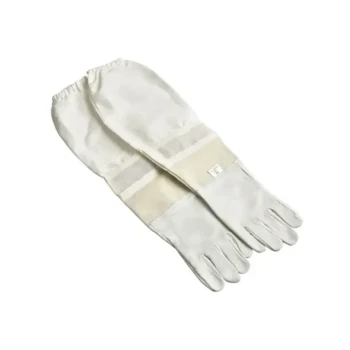
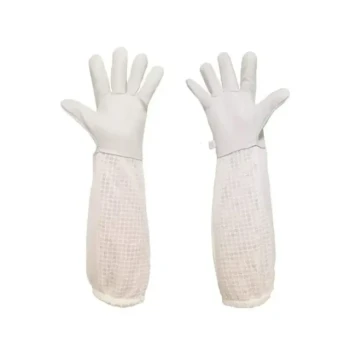
- Goat Skin Leather Bee Sting Proof Beekeeping Gloves with Canvas Sleeve
- Beekeeping Gloves Goatskin Leather with Long Cotton Sleeve for Beekeepers
- Beekeeper Cowboy Hat and Veil for Beekeeping
People Also Ask
- What design features contribute to the stability and fit of the beekeeper hat? Key Features for Maximum Hive Safety
- How is the beekeeper hat designed for comfort and practicality? Explore Key Features for Enhanced Apiary Safety
- What is the general protective gear recommendation for new beekeepers? Your Essential Beginner's Safety Guide
- How does beekeeping protective gear facilitate the queen bee selection process? Enhancing Precision in Queen Breeding
- What should beekeepers consider when choosing protective gear? A Guide for Maximum Safety & Comfort