The selection of large-capacity food-grade plastic buckets is the first line of defense in honey quality assurance. These containers serve as the critical bridge between the apiary and the processing facility, providing the necessary airtight sealing and corrosion resistance to protect raw honey from environmental moisture and odors. By ensuring physical durability during transport from remote areas, they preserve the honey's original flavor and physicochemical indicators before it ever reaches the filtration stage.
The primary value of these buckets lies in their ability to lock in the honey's natural state immediately after harvest; they act as a stable, inert barrier against moisture-induced fermentation and environmental contamination during the critical initial collection phase.
Safeguarding Physicochemical Properties
Preventing Moisture Absorption and Spoilage
Honey is naturally hygroscopic, meaning it readily absorbs moisture from the air. If the water content rises too high, the honey will ferment and spoil. The superior sealing properties of food-grade plastic buckets create an airtight environment. This effectively blocks atmospheric moisture, ensuring the honey remains stable even during off-seasons or fluctuating environmental conditions.
Preserving Flavor Profile
Raw honey is susceptible to absorbing external odors, which can ruin its unique market value. The airtight nature of these plastic containers prevents the intrusion of foreign smells. This ensures the original flavor profile remains pure and untainted by the surrounding environment during storage.
Corrosion Resistance and Chemical Stability
Unlike some metal containers which may react with acidic substances, food-grade plastic offers high corrosion resistance. This chemical stability guarantees that the honey’s physicochemical indicators remain unaltered. It prevents the product from interacting with the container material, preserving its purity for the bottling stage.
Ensuring Logistics and Handling Reliability
Durability for Remote Transport
Honey is often harvested in rural, remote locations requiring long-distance transport to processing facilities. These buckets are engineered with the durability to withstand the physical stress of this journey. They prevent leaks and structural failure, ensuring the yield arrives intact.
Preventing Physical Contamination
In the primary processing stage, preventing the introduction of physical impurities is vital. Compared to traditional methods like clay pots or animal skin bags, modern plastic buckets offer a standardized, clean environment. They effectively seal out dust, debris, and other particulate matter that would otherwise require aggressive, quality-reducing filtration later.
Understanding the Trade-offs
Verification of Material Grade
Not all plastic is suitable for honey storage. You must strictly verify that the buckets are certified food-grade. Using non-food-grade industrial plastics can lead to chemical leaching, which compromises the safety and purity of the honey, negating all preservation benefits.
Reliance on Seal Integrity
The benefits of these buckets are entirely dependent on the quality of the lid and seal mechanism. A durable bucket with a compromised seal offers no protection against moisture or odors. Operators must regularly inspect seals to ensure they haven't degraded over time or during rough transport.
Making the Right Choice for Your Operation
To maximize the value of your raw honey, align your container selection with your primary operational risks:
- If your primary focus is Flavor and Quality Preservation: Prioritize buckets with advanced, airtight gasket seals to completely isolate the honey from humidity and odors.
- If your primary focus is Logistics and Transport: Select buckets with reinforced structural durability to prevent cracking or deformation during long hauls from remote apiaries.
Ultimately, the plastic bucket is not just a vessel; it is a preservation tool that defines the starting quality of your final product.
Summary Table:
| Feature | Benefit for Honey Processing | Why It Matters |
|---|---|---|
| Airtight Sealing | Prevents moisture absorption | Stops fermentation and spoilage |
| Inert Material | High corrosion resistance | Prevents chemical reactions and leaching |
| Structural Durability | Impact & leak resistance | Ensures safe transport from remote apiaries |
| Odor Barrier | Preserves flavor profile | Maintains pure, untainted honey aroma |
| Standardized Hygiene | Blocks physical debris | Reduces the need for aggressive filtration |
Secure Your Harvest Quality with HONESTBEE
At HONESTBEE, we understand that the right equipment is the foundation of a successful honey business. As a dedicated partner to commercial apiaries and distributors, we provide a comprehensive wholesale range of food-grade storage solutions, beekeeping tools, and specialized honey-filling machinery.
Whether you are scaling your production or outfitting a distribution network, our durable, industry-compliant containers and equipment ensure your honey remains pure from hive to bottle.
Ready to upgrade your primary processing efficiency?
Contact us today to explore our wholesale catalog and see how our global supply chain can support your operation's growth.
References
- Gaylord Hlabiso, Anyway Ngirazi. Women and Entrepreneurship for Poverty Alleviation: A Case of beekeeping in Chipinge Rural Areas, Zimbabwe. DOI: 10.15580/gjbms.2016.3.080816126
This article is also based on technical information from HonestBee Knowledge Base .
Related Products
- Food Grade Plastic Honey Bucket Pail for Beekeeping
- Plastic Honey Gate Spout with Wing Nut for Beekeeping Honey Bucket
- Yellow Plastic Bucket Pail Perch for Beekeeping
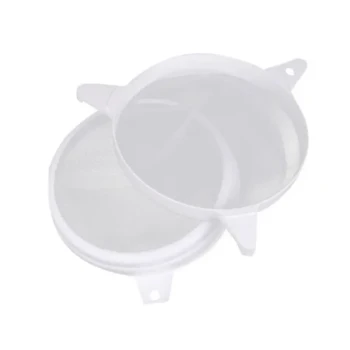
- Two-Stage Plastic Honey Filter for Buckets
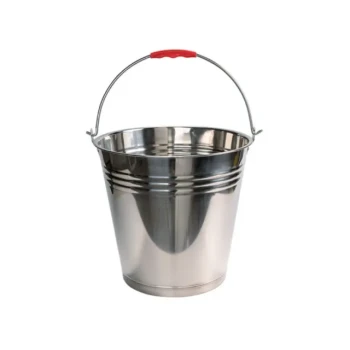
- Premium Stainless Steel Honey Tank Bucket Pail with Reinforced Handle and Polished Finish
People Also Ask
- What key operational precautions should be taken when using honey buckets and extractors fitted with bottom drain taps?
- What functions do food-grade honey buckets perform? Safeguard Your Harvest and Optimize Apiary Logistics
- Why are food-grade plastic buckets preferred for honey? Protect Quality with Modern Honey Collection Tools
- What is the significance of food-grade plastic honey collection buckets? Boost Quality in Forest Honey Logistics
- What is a honey pail? The Essential Container for Protecting Your Honey's Value