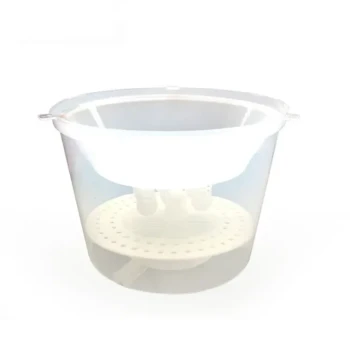
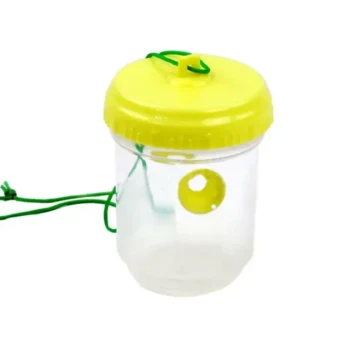
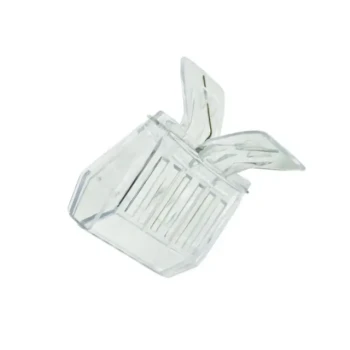
The selection of professional pollen traps and specialized sampling tools is the cornerstone of rigorous apiary research. These instruments are critical because they allow for the systematic collection of representative samples without disrupting the delicate social structure of the bee colony. By standardizing the collection process, typically at regular intervals, researchers can accurately map foraging behavior against seasonal phenological changes.
Core Takeaway: High-quality sampling equipment serves a dual purpose: it guarantees the scientific validity of data through standardized, sterile collection methods while ensuring biological safety by minimizing physical harm to the bees and their hive structure.
Ensuring Data Accuracy and Representativeness
Standardization of Sampling Intervals
To understand foraging behavior, consistency is key. Professional tools facilitate sample collection at regular, standardized frequencies, such as every three weeks.
Capturing Seasonal Phenology
Foraging patterns change rapidly with the seasons. Using standardized equipment ensures that the samples reflect true seasonal shifts in botanical sources rather than irregularities in collection methods.
Eliminating Sampling Bias
Manual or ad-hoc collection methods can introduce significant error. Professional traps mechanically intercept pollen, ensuring the data represents the actual intake of the colony rather than a human-selected subset.
Maintaining Sample Purity
The Necessity of Sterility
When analyzing for pathogens or chemical residues, purity is paramount. Sterile tools, such as specialized spatulas and tubes, are required to prevent cross-contamination between different hives.
Accurate Chemical Analysis
Bottom-mounted traps and sterile handling ensure that pollen used for pesticide residue analysis is pristine. This verifies the true extent of chemical exposure without false positives caused by handling errors.
Preventing Disease Transmission
Using non-sterile or improper tools can mediate the transmission of pathogens. Professional sterile equipment isolates the biological profile of each hive, ensuring molecular tests reflect the specific infection status of that colony alone.
Preserving Colony Health and Hive Integrity
Non-Destructive Collection
High-efficiency pollen traps use grids or stripping plates to dislodge pellets from returning foragers. This mechanical process is designed specifically to collect data without harming the insects or damaging their legs.
Minimal disruption to Social Structure
The primary reference highlights that professional methods avoid disrupting the colony's social order. By passively collecting at the entrance, the internal hierarchy and workflow of the hive remain undisturbed.
Preventing Structural Damage
Specialized hive tools are designed to pry open components sealed with propolis and beeswax. Unlike improvised tools, these prevent the crushing of bees and the physical breaking of frames, ensuring the long-term durability of the equipment.
Understanding the Trade-offs
Nutritional Impact on the Colony
While professional traps are designed to be non-harmful, they do intercept a portion of the colony's food supply. Continuous trapping without breaks can potentially stress the colony's nutritional reserves.
Maintenance Requirements
Mechanical traps ensure purity, but they are not "set and forget" devices. They require regular maintenance to ensure the stripping plates do not become clogged with debris, which could alter sampling efficiency.
Making the Right Choice for Your Goal
Selecting the right equipment depends on the specific outcome you need to achieve with your sampling.
- If your primary focus is seasonal phenology: Prioritize high-efficiency pollen traps that allow for consistent, mechanical collection at fixed three-week intervals to map blooming cycles accurately.
- If your primary focus is toxicology or pathology: Invest in sterile sampling kits (spatulas and tubes) to ensure that residue and pathogen analysis is free from cross-contamination.
- If your primary focus is hive longevity: Ensure you utilize specialized pry tools to separate propolis-sealed frames without crushing bees or compromising the hive's physical structure.
The right tool transforms a simple observation into a valid scientific insight without compromising the health of the hive.
Summary Table:
| Feature | Specialized Sampling Tools | Ad-hoc / Manual Methods |
|---|---|---|
| Data Accuracy | High - Standardized collection intervals | Low - Prone to selection bias |
| Sample Purity | Sterile tools prevent cross-contamination | High risk of external contamination |
| Bee Safety | Non-destructive stripping plates | Risk of physical injury to foragers |
| Colony Impact | Minimal disruption to social structure | High disruption during hive entry |
| Hive Integrity | Precision pry tools prevent frame damage | Risk of crushing bees/breaking frames |
Elevate Your Apiary Operations with HONESTBEE
At HONESTBEE, we understand that precision is the difference between a thriving commercial operation and lost productivity. As a leading global supplier for commercial apiaries and distributors, we provide the professional-grade tools you need to achieve scientific accuracy and operational efficiency.
From high-efficiency pollen traps and sterile sampling kits to industrial-scale honey-filling machines and specialized hive-making hardware, our comprehensive wholesale catalog covers every aspect of modern beekeeping. Whether you are scaling your own production or supplying the industry, our expertise ensures you get durable, high-performance equipment that protects your bees and maximizes your output.
Ready to upgrade your equipment? Contact us today to explore our wholesale solutions and discover how HONESTBEE can support your growth.
References
- Philip Donkersley, Takahiro Ota. Japanese Honeybees (Apis cerana japonica Radoszkowski, 1877) May Be Resilient to Land Use Change. DOI: 10.3390/insects12080685
This article is also based on technical information from HonestBee Knowledge Base .
Related Products
- Removable Plastic Pollen Trap With Ventilated Tray for Bees Pollen Collector
- 30 cm Plastic Entrance Hole Bee Pollen Trap and Collector
- Plastic Bee Pollen Trap Strips Comb Catcher Collector
- Professional Bucket Style Wasp and Moth Pheromone Trap
- Professional Multi-Component Bucket Wasp Trap
People Also Ask
- What are the design principles and advantages of pollen traps in the collection of bee pollen? Boost Your Apiary Yield
- What is the function of professional pollen traps in evaluating honey plants? Quantifying Pollination and Crop Potential
- What functions do pollen traps serve for bee bread production? Optimize Your Raw Material Collection
- What maintenance and pest prevention measures should be taken for pollen traps? Protect Your Hive and Harvest Quality
- How does the use of pollen traps in honeybee hives enhance crop fertilization? Boost Your Yield Through Induced Activity