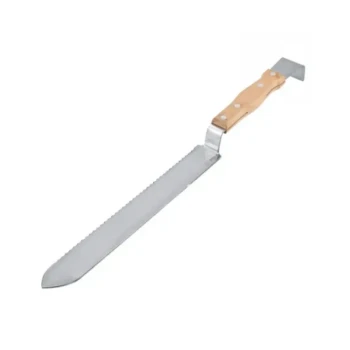
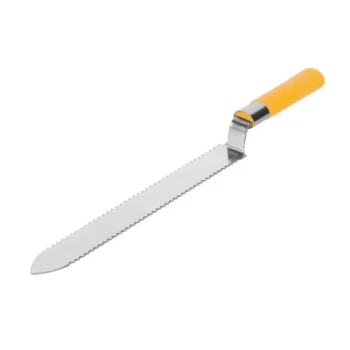
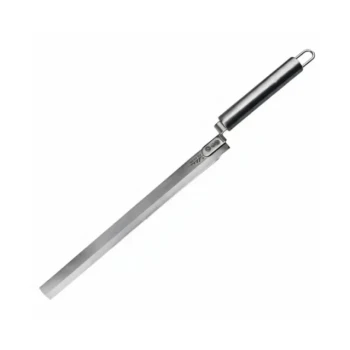
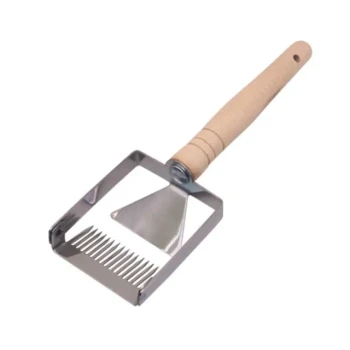
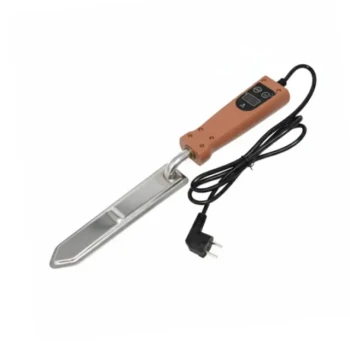
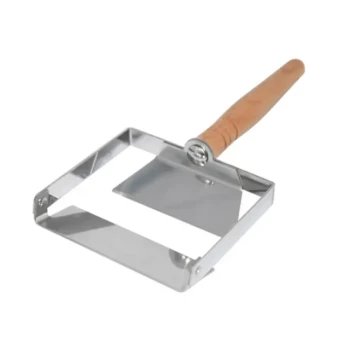
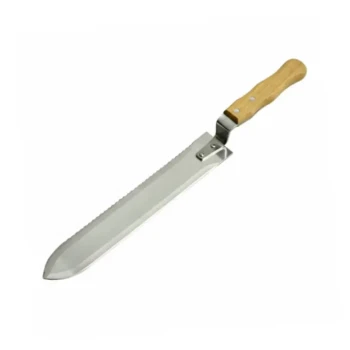
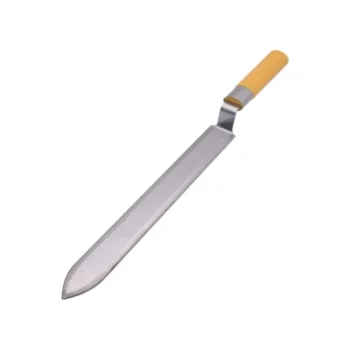
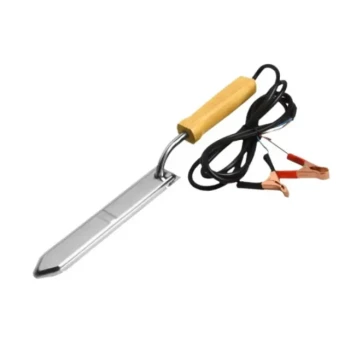
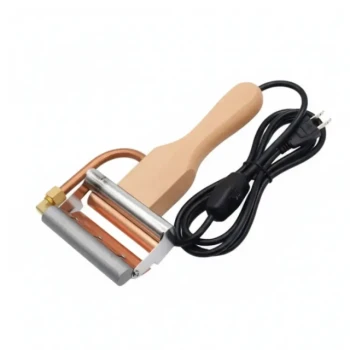
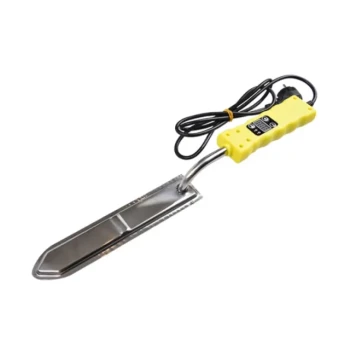
The selection of standardized beekeeping tools is critical because they are engineered to align with the precise internal geometry of the hive. Specifically, tools like hive tools and uncapping knives are designed to navigate "bee space" without crushing bees or damaging fragile queen cells during the delicate processes of frame manipulation and colony division. By matching the physical dimensions of the hive hardware, these tools prevent the structural damage and excessive disturbance that frequently lead to colony failure.
Success in queen rearing and colony splitting relies on minimizing stress on the colony; standardized tools ensure that mechanical interventions respect the biological limitations of the bees, preventing physical damage to developing queens and reducing the risk of the colony abandoning the hive.
Preserving the Biological Integrity of the Colony
Respecting "Bee Space"
Standardized hive tools are calibrated to fit the precise internal gaps, known as "bee space," found in standard hives.
Unlike improvised tools, they allow the beekeeper to pry apart components without violating this space. This prevents the crushing of bees, which triggers alarm pheromones and aggressive defensive behavior.
Protecting Fragile Queen Cells
The process of queen rearing involves manipulating frames that contain developing queen cells.
These cells are soft, protrude from the comb, and are highly susceptible to vibration and impact. Standardized tools provide the controlled leverage necessary to separate frames gently, ensuring the developing queens are not damaged by sudden jerks or slips.
Reducing Physical Interference
When splitting a colony, the goal is to transfer resources with minimal disruption to the bees' routine.
Standardized tools allow for the smooth separation of propolis-sealed frames. This seamless operation reduces the time the hive is open and the amount of physical interference the bees experience, protecting the internal climate required for brood rearing.
Enabling Colony Management and Expansion
The Necessity of Interchangeability
Artificial colony splitting relies on the ability to move frames of honey, pollen, and brood between different hive bodies.
Standardized tools are the interface that makes this possible; they are designed to lift and maneuver frames that share uniform dimensions. This uniformity is essential for scaling operations, as it allows for the free exchange and combination of resources across the entire apiary.
Mitigating the Risk of Absconding
Non-standard methods and tools often result in chaotic interventions that stress the colony.
High stress and structural instability are primary drivers for a colony to abscond (abandon the hive). By using standardized equipment that minimizes disruption, beekeepers significantly lower the risk of losing the colony during the critical establishment phase.
Supporting Colony Nutrition
New splits often lack the foraging workforce required to sustain themselves immediately.
While not a handheld tool, the hive feeder is a critical piece of standardized equipment in this ecosystem. It fits the standard hive dimensions perfectly, allowing the beekeeper to provide sugar syrup safely, bridging the nutritional gap until the new colony is established.
Understanding the Trade-offs
The Cost of Improper Leverage
Using non-standard tools, such as screwdrivers or kitchen knives, often applies force to the wrong parts of the frame.
This can crack the wooden lugs or damage the comb structure. Damaged equipment creates uneven gaps that bees fill with burr comb, making future inspections increasingly difficult and invasive.
Efficiency vs. Adaptability
Standardized tools are highly efficient but assume you are using standard Langstroth or Dadant style hives.
If you are managing non-standard or traditional hives (such as top-bar or log hives), these tools may be ineffective or even damaging. The tool must always match the specific hive system being employed to ensure safety and success.
Making the Right Choice for Your Goal
To maximize success during high-stakes apiary tasks, align your tooling strategy with your operational objectives:
- If your primary focus is Queen Rearing: Prioritize high-precision tools that offer maximum tactile feedback to prevent vibration damage to sensitive queen cells.
- If your primary focus is Commercial Scaling: Focus on durable, standardized tools that facilitate the rapid, interchangeable movement of frames to optimize workflow efficiency.
By standardizing your equipment, you transform beekeeping from a series of risky interventions into a systematic, scalable, and biology-centric operation.
Summary Table:
| Tool Feature | Role in Queen Rearing & Splitting | Impact on Colony Health |
|---|---|---|
| Standard Hive Tool | Maintains 'bee space' during frame prying | Prevents bee crushing and alarm pheromones |
| Precise Lever Point | Gentle separation of propolis-sealed frames | Minimizes vibration damage to fragile queen cells |
| Interchangeability | Facilitates resource movement between hives | Reduces stress during colony division and expansion |
| Uniform Sizing | Matches internal hive geometry | Prevents burr comb and structural hardware damage |
Scale Your Apiary with HONESTBEE Professional Equipment
Maximize your colony's survival rate and operational efficiency with standardized tools built for the professional scale. HONESTBEE specializes in serving commercial apiaries and distributors with a comprehensive wholesale portfolio—from precision handheld tools like hive tools and uncapping knives to advanced hive-making and honey-filling machinery.
Whether you are managing thousands of colonies or supplying the next generation of beekeepers, we provide the essential hardware and consumables needed to turn complex biology into a systematic success.
Contact HONESTBEE Today to discuss our bulk wholesale options and cultural merchandise tailored for your business needs.
References
- Rogan Tokach, Judy Wu‐Smart. Re-using food resources from failed honey bee (Apis mellifera L.) colonies and their impact on colony queen rearing capacity. DOI: 10.1038/s41598-023-44037-2
This article is also based on technical information from HonestBee Knowledge Base .
Related Products
- Serrated Honey Uncapping Knife for Beekeeping and Bee Hive Maintenance
- Professional Compact Multi-Function Uncapping Knife for Beekeeping
- Professional Multi-Function Uncapping Fork with Ergonomic Rubber Grip
- Professional Z-Shaped Multi-Function Uncapping Knife for Beekeeping
- Professional Serrated Double-Sided Uncapping Knife for Beekeeping
People Also Ask
- What is the benefit of the serrated edge on an uncapping knife? Unlock Faster, Cleaner Honey Extraction
- What specialized tools are used for uncapping and straining honey? Professional Gear for Efficient Harvesting
- What are the technical advantages of using specialized honey uncapping knives? Optimize Purity and Comb Reusability
- What specific structure does a professional honey uncapping knife target? Maximize Your Mature Honey Yield
- How do you cut capping off honey from frames? A Guide to Efficient Uncapping Methods