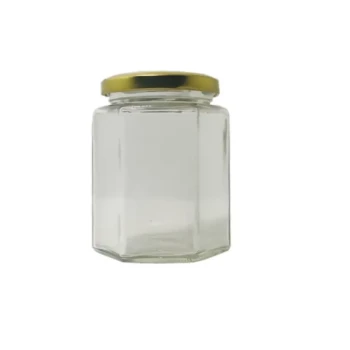
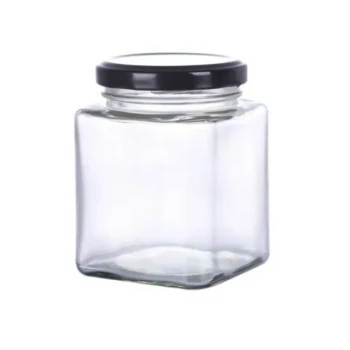
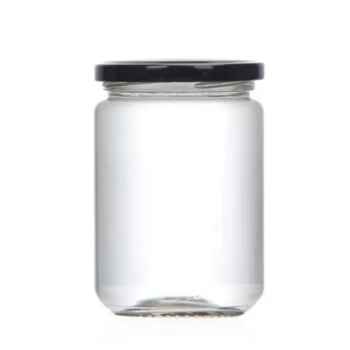
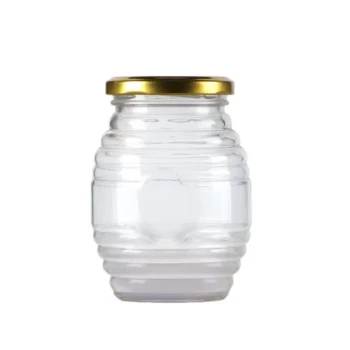
The use of clip-top glass bottles is necessary to guarantee the chemical stability and physical integrity of honey samples prior to analysis. These containers provide a superior hermetic seal that blocks atmospheric moisture from infiltrating the honey, which is highly hygroscopic and prone to absorbing water from the air. Additionally, the inert nature of glass ensures that the honey's natural organic acids do not react with the packaging, preventing the migration of container materials into the sample.
Core Insight: Honey is a chemically complex, acidic, and moisture-absorbing substance that acts as a solvent for contaminants. Clip-top glass bottles provide the only environment stable enough to ensure the sample analyzed in the lab is identical to the sample collected in the field.
The Critical Role of the Seal
The "clip-top" mechanism is not merely an aesthetic choice; it is a functional requirement for maintaining the sample's baseline physical properties.
Countering Hygroscopy
Honey is hygroscopic, meaning it naturally attracts and holds water molecules from the surrounding environment. If the seal is imperfect, ambient humidity will penetrate the container. This alters the moisture content metrics, rendering subsequent physical analysis inaccurate.
Preventing Spoilage and Fermentation
The ingress of moisture does more than change data points; it can biologically destabilize the sample. Excess water content creates an environment conducive to yeast activity. A superior seal eliminates the risk of fermentation or spoilage before the sample can be processed.
Chemical Inertness and Purity
The material of the container—glass—is selected to manage the complex biochemical profile of honey.
Neutralizing Acidic Reactions
Honey contains various organic acids that can corrode or react with inferior packaging materials. Glass is chemically inert, providing a neutral barrier that prevents the container material from degrading. This ensures that the results of the laboratory analysis reflect the honey, not the byproducts of a container reaction.
Preventing Component Migration
Plastic or metallic containers pose a risk of substances migrating into the sample, such as trace metals or plasticizers. High-cleanliness glass bottles eliminate this variable. By preventing the introduction of foreign impurities, glass preserves the accuracy of the honey's original mineral profile.
Protecting Enzymatic Activity
Honey contains heat-sensitive enzymes, such as catalase and amylase, which are critical indicators of quality. Glass offers superior isolation properties. When combined with proper storage, this helps protect these enzymes from degradation in room-temperature laboratory environments.
Understanding the Trade-offs
While clip-top glass is the gold standard for chemical analysis, it is important to recognize the logistical challenges involved.
Fragility and Transport Risks
Glass is inherently fragile and heavier than alternative materials. While it offers superior chemical protection, it requires careful handling during transport to prevent breakage and sample loss.
Light Sensitivity
Clear glass does not inherently filter light. Extended exposure to light can alter chemical compositions and enzyme activity. Therefore, even when using glass, samples should be stored in dark conditions or the bottles should be amber-tinted to prevent photodegradation.
Making the Right Choice for Your Goal
The selection of your sampling container should always align with the specific parameters you intend to measure in the laboratory.
- If your primary focus is physicochemical analysis: Use clip-top glass bottles to prevent organic acid reactions and ensure the mineral profile remains pure.
- If your primary focus is moisture content accuracy: Use clip-top seals to create a hermetic barrier against atmospheric humidity and fermentation.
- If your primary focus is palynological (pollen) analysis: Dedicated sealed plastic containers may be acceptable, as they prevent leakage and secondary contamination without the fragility of glass.
Ultimately, the validity of your laboratory results is defined by the integrity of your sample at the moment of collection.
Summary Table:
| Feature | Necessity in Sampling | Key Benefit for Lab Results |
|---|---|---|
| Clip-Top Seal | Creates a hermetic barrier | Prevents moisture ingress, fermentation, and spoilage |
| Inert Glass | Chemically non-reactive | Stops organic acids from leaching container materials |
| High Cleanliness | Eliminates impurities | Ensures accurate mineral and enzymatic profiles |
| Protective Isolation | Blocks external elements | Preserves sensitive catalase and amylase activities |
Elevate Your Honey Quality Standards with HONESTBEE
Ensure the integrity of your honey from collection to commercial distribution. HONESTBEE caters specifically to commercial apiaries and distributors with a comprehensive wholesale offering. From professional sampling supplies to specialized hardware like honey-filling machines and hive-making equipment, we provide the full spectrum of tools and consumables needed to scale your operations.
Ready to enhance your production efficiency? Contact our experts today to learn how our industry-leading portfolio can bring value to your apiary or distribution business!
References
- Amro Taha. Profile Analysis of Major and Minor Honey Contents from Different African Countries. DOI: 10.21608/eajbsa.2020.91649
This article is also based on technical information from HonestBee Knowledge Base .
Related Products
- Inverted Squeezable Honey Jar with No Drip Flip Top Cap for Easy Pouring
- Squeezable No-Drip Beehive-Shaped Honey Jars with Flip-Top Cap
- Classic Honey Bear Jars with Flip Top Dispensing Cap for Liquid Sweeteners
- Hexagonal Glass Honey Jars with Metal Lug Caps Elegant Versatile Packaging
- Ergonomic Squeezable Honey Bottle with Precision Twist Nozzle Cap
People Also Ask
- What are the benefits of squeeze bottles for honey packaging? Unlock Mess-Free Convenience & Control
- What are some common types of jars used for honey packaging? Choose the Best Styles to Boost Your Brand
- How many jars of honey can you get from a hive? Maximize Your Yield with Strong Hive Management
- What cleaning practices are crucial for the effective sealing of honey jars? Ensure Maximum Product Shelf Life
- Why is it important to distinguish between weight and volume when selecting honey containers? Maximize Profits Now