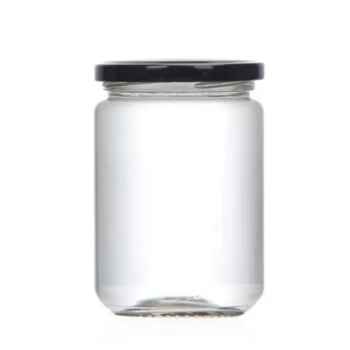
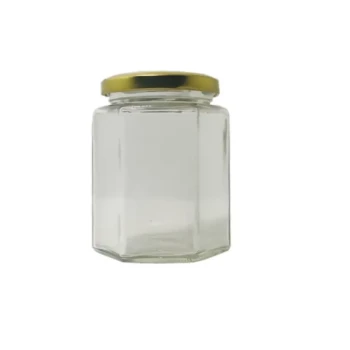
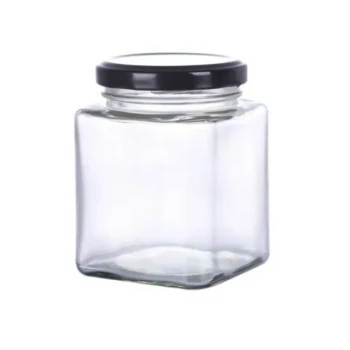
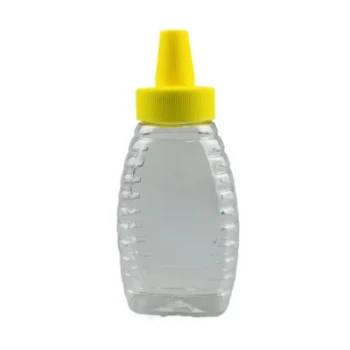
Rigorous hygiene is the foundation of a secure seal. To ensure honey jars are sealed effectively, you must implement a strict two-phase cleaning process: thorough pre-packaging cleaning to remove manufacturing residues, and meticulous post-packaging cleaning to wipe away any sticky honey residue from the jar's exterior and rim.
Effective sealing requires a non-negotiable attention to detail during two specific phases: before the jar is filled and immediately after. Even a microscopic amount of residue on the rim can compromise the airtight barrier, leading to leaks, spoilage, and a reduction in shelf life.
The Two-Stage Cleaning Protocol
To achieve the "airtight closure" mentioned in industry standards, you cannot treat cleaning as an afterthought. It must be integrated into the filling workflow.
Pre-Packaging Preparation
Before honey ever touches the glass, the container must be pristine. Pre-packaging cleaning involves thoroughly washing jars to ensure they are free of dust, debris, or manufacturing residues.
Any foreign particles inside the jar can contaminate the product. Furthermore, debris on the sealing surface (the rim) will create physical gaps, making it impossible for the lid to sit flush against the glass.
Post-Packaging Maintenance
The most critical step for seal integrity occurs after filling. Post-packaging cleaning requires a dedicated wipe-down of the jar's exterior and, most importantly, the threaded rim.
During the filling process, drips and "strings" of honey inevitably land on the sealing surface. If this honey is not removed, it acts as a lubricant that allows the lid to back off, or it crystallizes and creates a breach in the seal.
Why Cleanliness Dictates Seal Integrity
Cleaning is not just about aesthetics; it is a mechanical necessity for the sealing methods to function.
Ensuring Mechanical Adhesion
Whether you use standard lids, heat sealing, or wax sealing, the bonding surface must be clean. Adhesive seals and wax will not bond correctly to a sticky, honey-coated surface, leading to immediate seal failure.
Preventing Environmental Contamination
A clean seal preserves the product's freshness and flavor. By ensuring the rim is clean before the lid is applied, you prevent the "wicking" effect, where honey draws moisture and bacteria from the outside air into the jar.
Common Pitfalls and Trade-offs
While cleaning is vital, it is not a cure-all for other packaging failures. You must understand where cleaning fits into the broader context of packaging mechanics.
Cleaning Cannot Fix Incompatibility
You may clean a jar perfectly, but if you suffer from lid incompatibility, the seal will fail. Using a lid that does not fit the jar precisely will result in leaks regardless of how clean the rim is.
The Temperature Variable
Temperature sensitivity plays a role in both cleaning and sealing. If jars are washed with hot water and filled cold (or vice versa), thermal shock or condensation can occur. This moisture can interfere with the seal just as much as honey residue can.
Material Defects
Relying solely on cleaning can mask defective sealing materials. A damaged gasket inside a lid will not seal, even on a pristine jar. Visual inspection must accompany your cleaning routine.
Making the Right Choice for Your Goal
Achieving a professional shelf life requires balancing cleanliness with the correct physical components.
- If your primary focus is Extended Shelf Life: Prioritize post-packaging cleaning of the rim to ensure an airtight closure that preserves natural sweetness and freshness.
- If your primary focus is Physical Security: Ensure the exterior neck is completely dry and residue-free so that shrink bands or wax seals can adhere properly without slipping.
- If your primary focus is Leak Prevention: Combine rigorous cleaning with a verification that your lid fits the jar precisely, as cleanliness cannot compensate for mechanical mismatch.
The integrity of your product relies not just on the quality of the honey, but on the discipline of your cleaning process.
Summary Table:
| Cleaning Phase | Focus Area | Key Benefit |
|---|---|---|
| Pre-Packaging | Internal jar & rim | Removes dust, debris, and manufacturing residues to prevent contamination. |
| Post-Packaging | External threads & rim | Eliminates honey drips that cause lid slippage or crystallization breaches. |
| Sealing Surface | Lid contact point | Ensures mechanical adhesion for heat seals, wax, and standard lids. |
| Final Inspection | Exterior neck | Guarantees shrink bands and labels adhere properly without slipping. |
Elevate Your Beekeeping Operation with HONESTBEE
At HONESTBEE, we understand that the quality of your honey deserves the highest standard of packaging. As a premier partner for commercial apiaries and global distributors, we provide more than just equipment—we provide peace of mind through professional-grade solutions.
Our comprehensive wholesale range includes:
- Advanced Machinery: Precision honey-filling and hive-making machines to streamline your production.
- Quality Hardware: A full spectrum of durable beekeeping tools and high-performance machinery.
- Essential Consumables: Everything your apiary needs to maintain peak efficiency.
- Cultural Merchandise: Unique honey-themed products to expand your brand's reach.
Whether you are scaling your commercial output or stocking a distribution network, our team is ready to support your growth with expertise and reliable supply chains.
Ready to optimize your production and secure your product's integrity? Contact us today to explore our wholesale offerings
Related Products
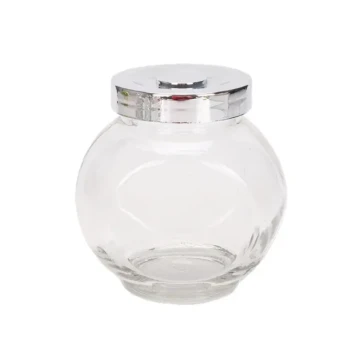
- Classic Drum Shaped Glass Honey Jar with Airtight Lid
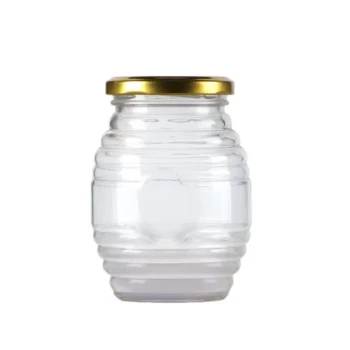
- Classic Glass Honey Jar with Metal Lug Cap for Beehive Storage
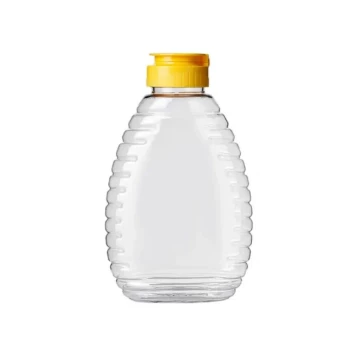
- Squeezable No-Drip Beehive-Shaped Honey Jars with Flip-Top Cap
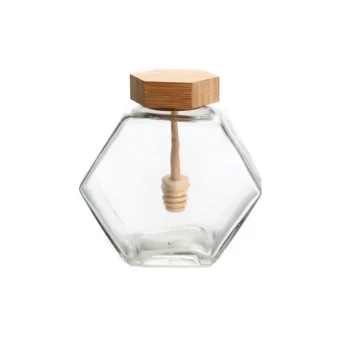
- Hexagonal Glass Honey Jar with Wooden Lid Integrated Dipper Elegant Functional Storage
- Classic Honey Bear Jars with Flip Top Dispensing Cap for Liquid Sweeteners
People Also Ask
- What is the best utensil to store honey? Preserve Purity with the Right Container
- How does the appearance of glass jar packaging affect the sales and perception of honey? Boost Your Premium Brand Value
- Why is a glass jar preferred for packaging honey? Ultimate Protection for Purity & Flavor
- What is the aesthetic appeal of using glass jars for honey? Elevate Your Brand with Premium Packaging
- What are the advantages of glass containers for honey? Elevate Quality and Market Value with Premium Packaging