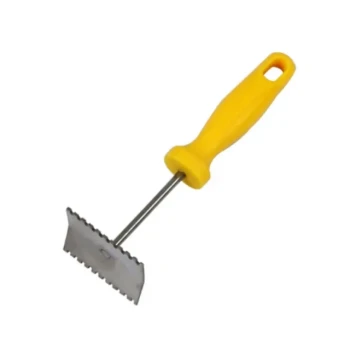
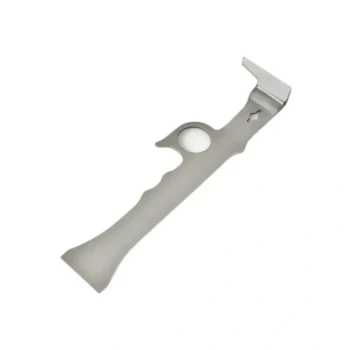
Active hygiene management is the single most effective non-medicinal intervention for stabilizing infected honeybee colonies. The use of specialized cleaning consumables and the physical removal of debris are necessary to drastically lower the pathogen load within the hive environment. By manually clearing contaminated waste and feces, you reduce the immediate pressure of secondary infections, creating a neutral environment to assess the colony's natural survival capabilities.
Core Takeaway Manual debridement and waste removal serve a dual purpose: they physically reduce the reservoir of infectious agents to prevent colony collapse, and they establish a controlled baseline for evaluating the genetic tolerance of specific honeybee species without the confounding variables of medicinal treatment.
The Physiology of Hygiene and Disease Control
Lowering the Pathogen Reservoir
In an infected colony, the hive structure itself becomes a vector for disease. Pathogens accumulate in waste, feces, and general debris on the hive floor and frames.
Continuous removal of these residues is critical. By eliminating this physical matter, you are effectively removing the breeding ground for bacteria and viruses. This breaks the cycle of re-infection that often overwhelms a weakened colony.
Preventing Secondary Infections
Primary infections often compromise the bees' immune systems, making them susceptible to opportunistic diseases.
Accumulated waste increases this "infection pressure." Using cleaning consumables to maintain a sterile environment reduces the biological stress on the bees. This allows the colony to direct its energy toward recovery rather than fighting off new, environment-borne contaminants.
Evaluating Genetic Resilience
Establishing a Baseline Without Medicine
To truly understand the baseline tolerance of a specific honeybee species, you must observe them in a natural state. Introducing antibiotics or chemical treatments masks the bees' genetic strengths and weaknesses.
Hygiene protocols serve as the alternative variable. They support the colony enough to prevent immediate collapse from filth, allowing you to observe whether the bees possess the genetic traits necessary to survive the infection on their own.
Supporting Natural Cleaning Behaviors
Honeybees have innate hygienic behaviors, but a massive infection can overwhelm these instincts.
External intervention supports these natural behaviors. By manually reducing the workload, you prevent the colony from reaching a tipping point where their social immunity fails.
Operational Execution
Mechanical Debridement
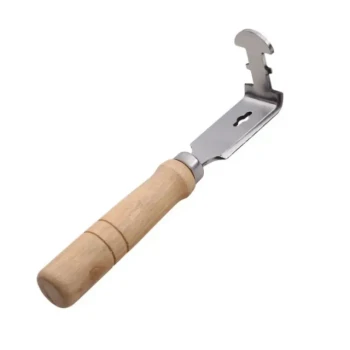
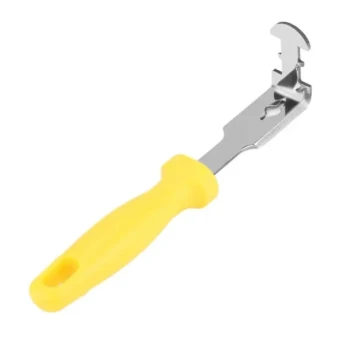
Effective cleaning requires the use of a high-strength hive tool. This manual instrument provides the leverage necessary to pry apart frames sealed by propolis.
It allows for the scraping away of excess beeswax and propolis where debris may be trapped. While propolis has benefits, excess buildup can harbor contaminants and hinder thorough inspection and cleaning operations.
Understanding the Trade-offs
Disruption vs. Sanitation
While hygiene is critical, frequent cleaning requires opening the hive. This alters the internal temperature and humidity, which can stress the colony.
You must balance the need for debris removal with the risk of disrupting the colony's homeostasis. Excessive interference can sometimes be as damaging as the pathogens you are trying to remove.
Labor Intensity
Unlike chemical treatments, which are often "set and forget," hygiene management is labor-intensive. It requires regular monitoring and physical effort.
This approach demands a rigorous schedule. Failing to maintain consistency can allow pathogen loads to spike rapidly, negating previous efforts.
Making the Right Choice for Your Goal
The necessity of cleaning consumables depends largely on your management objectives.
- If your primary focus is Genetic Selection: You must rely strictly on hygiene and debris removal, avoiding medicines entirely to identify which colonies possess superior natural tolerance.
- If your primary focus is Disease Recovery: You should use cleaning consumables to reduce environmental stress, giving the colony the best physical chance to overcome the infection load.
Strict sanitation protocols transform the hive from a disease reservoir into a controlled environment where bee resilience can be accurately measured and supported.
Summary Table:
| Aspect of Management | Primary Benefit | Operational Impact |
|---|---|---|
| Pathogen Reduction | Physically removes bacterial/viral reservoirs | Breaks the cycle of re-infection |
| Secondary Infection | Lowers environmental stress on bees | Protects compromised immune systems |
| Genetic Testing | Establishes a chemical-free baseline | Identifies species with high natural tolerance |
| Mechanical Debridement | Clears propolis and wax buildup | Improves inspection and sanitation access |
| Colony Homeostasis | Balances hygiene with colony stability | Requires strategic intervention to minimize stress |
Elevate Your Apiary Management with HONESTBEE
Maintaining a sterile hive environment is critical for both disease recovery and professional genetic selection. HONESTBEE supports commercial apiaries and distributors with a premium range of beekeeping tools, specialized hive-making machinery, and essential industry consumables designed for rigorous sanitation protocols.
Whether you are scaling your honey production or selecting resilient bee stocks, we provide the hardware and cultural merchandise necessary to succeed in a competitive market. Contact us today to learn how our comprehensive wholesale offerings can streamline your operations and enhance your colony's health.
References
- REDA E. OMER, I. A. Gaaboub. COMPARISON STUDIES BETWEEN THE HYBRID RACES OF CARNIOLEAN AND ITALIAN HONEYBEE TO RESISTANCE OF THE FOULBROODS. DOI: 10.21608/jppp.2013.87501
This article is also based on technical information from HonestBee Knowledge Base .
Related Products
- Precision Stainless Steel Frame Cleaner for Hive Grooves and Corners
- Heavy-Duty Ergonomic Stainless Steel Pollen Shovel
- Professional Stainless Steel Frame Cleaner with Ergonomic Wood Handle
- Stainless Steel J Hook Hive Tool for Beekeeping
- Heavy Duty Stainless Steel Frame Cleaner with Plastic Handle
People Also Ask
- What tools are recommended for cleaning hive frames? Top 4 Essential Maintenance Tools for Beekeepers
- What is the function of a professional stainless steel hive tool in IFB? Optimize Your Colony Strength Assessment
- What are the primary functions of a stainless steel hive tool? Essential Equipment for Professional Beekeeping
- Which technical challenges in hive maintenance are addressed by using a professional stainless steel hive tool?
- What are the primary functions of a stainless steel hive tool? Essential Tips for Efficient Apiary Maintenance