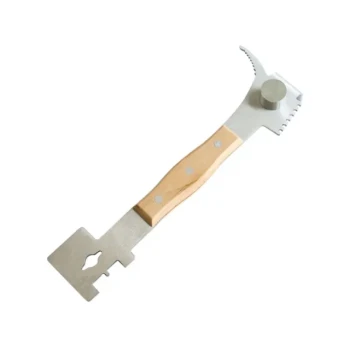
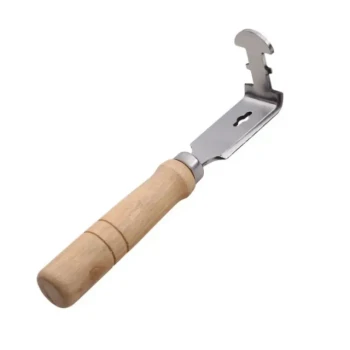
Professional hive-making tools and equipment are the bridge between wild foraging and sustainable agriculture. By enabling the construction of standardized hives that precisely mimic natural forest nesting sites, these tools ensure optimal living conditions for stingless bees. When paired with advanced management equipment, they allow for large-scale farming, significantly increasing colony survival rates, pollination utility, and production efficiency.
The core value of professional equipment lies in predictability and scalability. By moving away from rudimentary setups to precision-engineered environments, you transform stingless beekeeping from a high-risk extraction activity into a controlled, efficient management system.
Simulating the Natural Habitat
The primary function of professional tools is to replicate the specific microclimate and physical structure of a bee’s natural home, usually a tree hollow.
Precision Environmental Control
Stingless bees are highly sensitive to their environment. Professional equipment allows for the creation of hives with optimal structural ratios and ventilation.
This precision mimics the insulation and humidity control of a living tree. It ensures the colony spends less energy regulating temperature and more energy on foraging and brood production.
Enhanced Security and Sealing
In the wild, a colony’s survival depends on its ability to seal off intruders. High-precision machinery manufactures boxes with tight tolerances that ensure superior sealing.
This creates a robust defense against external predators, such as ants or phorid flies. Secure housing is critical during the initial establishment phase, preventing colony loss due to invasion.
Operational Efficiency and Management
Beyond mere survival, professional equipment is designed to streamline the daily operations of the beekeeper.
Specialized Spatial Separation
Unlike honeybees, stingless bees store pollen and honey in pots rather than combs, often mixing them near the brood. Professional hive designs enforce a distinct spatial separation.
These hives feature layered structures that separate the brood area from resource storage. This aligns with the biological habits of species like Melipona becheei, promoting better organization within the colony.
Non-Destructive Harvesting
Traditional harvesting often damages the hive structure. Modern equipment incorporates detachable honey storage compartments.
This allows beekeepers to extract honey without disturbing the delicate brood chamber. It minimizes stress on the colony and ensures the population can recover quickly after harvest.
Improving Transvasement Success
Transferring wild colonies to artificial boxes (transvasement) is a risky process. Professional hives often come with pre-installed brood supports.
These supports allow for the rapid positioning of original brood combs. This reduces the adaptation period, lowers the risk of abandonment, and helps the colony re-establish itself quickly in the new environment.
Scaling for Commercial Viability
To move from a hobby to an industry, operations must be scalable. Standardized equipment is the "core infrastructure" for this transition.
Modular Mobility for Pollination
Standardized beehives feature a modular design that simplifies transport.
This mobility is essential for commercial pollination services. Beekeepers can efficiently deploy colonies to specific crop fields, such as cucumbers, to enhance agricultural yields without disrupting the hive's internal stability.
Controlled Reproduction and Genetics
Advanced hive components facilitate hive splitting, the physical division of a colony to induce new queen production.
Specialized equipment creates controlled environments for drone congregation. This enables cross-breeding experiments and the study of gene flow, which is vital for maintaining the long-term genetic health of farmed species.
Understanding the Trade-offs
While professional tools offer immense benefits, they are not a silver bullet.
The Biological Limitation
Equipment can simulate nature, but it cannot replace biological compatibility. A "standardized" box is only effective if it is standardized to the specific species being reared. Using a high-quality box with incorrect dimensions for a specific species of stingless bee will lead to colony failure, regardless of the build quality.
Complexity of Maintenance
Moving from simple logs to multi-layered hives increases the complexity of maintenance. Detachable compartments and ventilation systems require regular cleaning and inspection to prevent mold or pest accumulation in the crevices that simpler structures might not have.
Making the Right Choice for Your Goal
The type of equipment you prioritize should depend on your specific operational focus.
- If your primary focus is Ecological Conservation: Prioritize hives with superior sealing and pre-installed brood supports to maximize survival rates during the rescue and transvasement of wild colonies.
- If your primary focus is Commercial Honey Production: Invest in hives with a modular, layered design that strictly separates storage from brood to enable frequent, non-destructive harvesting.
- If your primary focus is Pollination Services: Choose standardized, lightweight, and rugged equipment designed for modular stacking to facilitate frequent transport and deployment in agricultural fields.
Success in stingless beekeeping is achieved when high-precision tools are used to support, rather than override, the natural biology of the bee.
Summary Table:
| Key Feature | Main Benefit | Commercial Impact |
|---|---|---|
| Precision Sealing | Protection against ants and flies | Higher colony survival and establishment rates |
| Spatial Separation | Segregates brood from honey pots | Efficient, non-destructive harvesting operations |
| Modular Design | Simplifies transport and stacking | Seamless deployment for commercial pollination |
| Habitat Simulation | Optimal microclimate control | Higher yields via reduced bee energy expenditure |
Elevate Your Commercial Beekeeping Operation with HONESTBEE
Are you looking to scale your stingless bee farming or expand your distribution network? HONESTBEE provides the industry-leading tools and machinery you need to succeed. We cater exclusively to commercial apiaries and distributors with a comprehensive wholesale offering designed for efficiency and growth.
Our value to your business includes:
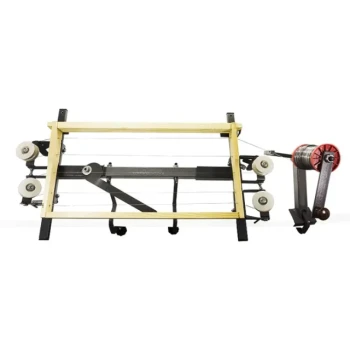
- Specialized Hardware: Precision hive-making and honey-filling machines for high-output production.
- Full Equipment Spectrum: A complete range of professional beekeeping tools, machinery, and essential consumables.
- Retail Growth: A wide array of honey-themed cultural merchandise to diversify your portfolio.
Partner with us to transform your operation into a high-yield, predictable management system. Contact HONESTBEE today to discuss your wholesale needs and see how our expertise can drive your success.
References
- SITI NURAISHAH SAIFULLIZAN, Wan Bayani Wan Omar. STUDY ON MORPHOLOGICAL CHARACTERISTIC OF STINGLESS BEE (Heterotrigona itama) IN TERENGGANU. DOI: 10.46754/umtjur.v3i4.245
This article is also based on technical information from HonestBee Knowledge Base .
Related Products
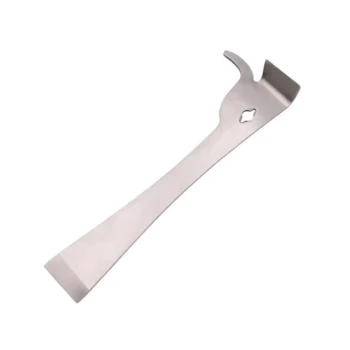
- Stainless Steel J Hook Hive Tool for Beekeeping
- Professional Stainless Steel Pry-Bar Hive Tool
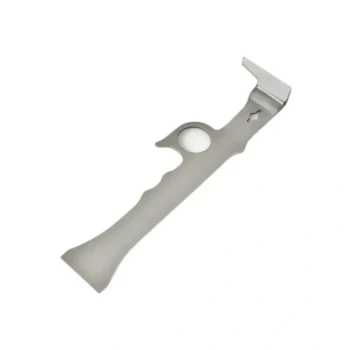
- Professional Multi-Function Stainless Steel Hive Tool
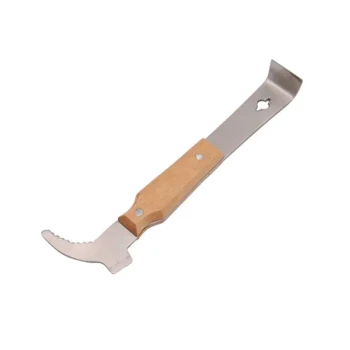
- HONESTBEE Advanced Ergonomic Stainless Steel Hive Tool for Beekeeping
- Professional Stainless Steel J-Hook Hive Tool
People Also Ask
- What specific challenges do beekeeping hive tools address during hive maintenance? Essential Solutions for Apiaries
- What is a J-hook hive tool and why is it favored by some beekeepers? Master Gentle Frame Handling
- What are the features of a J-hook hive tool? Effortlessly Lift Frames with Superior Leverage
- What is the purpose of the J-hook hive tool? Effortlessly Lift Frames with Superior Leverage
- How is a J-hook hive tool designed and what is its primary use? Master Effortless Hive Inspections