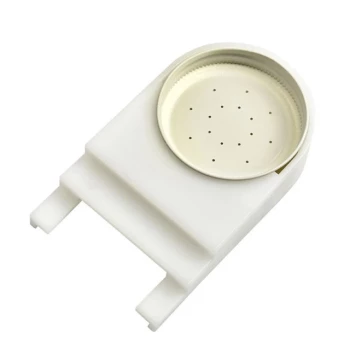
The intervention required to address metabolic disorders in honey bees relies on the synergy between industrial-grade feeding technology and high-quality nutritional formulations. This approach is necessary to guarantee the precise delivery of micronutrients and amino acids required to sustain vital antioxidant systems and immune defenses, particularly when natural pollen sources are insufficient.
Core Takeaway Metabolic stability in honey bees is not merely about caloric intake; it requires the continuous maintenance of enzyme systems like peroxidase and catalase. Industrial precision ensures the consistent delivery of the specific nutrients needed to fuel these systems, preventing colony collapse caused by malnutrition.
The Role of Precision in Metabolic Regulation
The Necessity of Industrial-Grade Equipment
Standard feeding methods often fail to deliver nutrients with the exactitude required for therapeutic intervention. Industrial-grade equipment is essential because it enables precise feed ratios and distribution.
Consistent Nutrient Delivery
Metabolic disorders are often exacerbated by inconsistent nutrient intake. Advanced equipment ensures that every bee receives the correct dosage of nutritional supplements, eliminating the variability inherent in manual or low-grade feeding methods.
Overcoming Environmental Deficits
When natural pollen quality declines, the colony is at risk of malnutrition. Industrial equipment bridges this gap by maintaining a steady flow of essential compounds, acting as a reliable artificial foraging source that mirrors the consistency of a healthy natural environment.
Strengthening Biological Defense Systems
Fueling Antioxidant Activity
The primary biological reason for high-quality consumables is the maintenance of antioxidant systems. Specific micronutrients and amino acids found in premium feeds are the building blocks for critical enzymes such as peroxidase and catalase.
The Consequence of Enzyme Failure
If these antioxidant systems fail due to a lack of specific nutrients, the bees accumulate metabolic stress. High-quality nutrition ensures these enzymes remain active, allowing the bees to process toxins and oxidative stress effectively.
Enhancing Immune Defense
Beyond simple energy provision, high-quality nutritional consumables are engineered to directly enhance immune defense capabilities. This creates a biological barrier against pathogens that often opportunistically attack colonies weakened by metabolic disorders.
Understanding the Trade-offs
The Cost of Inprecision
While industrial equipment represents a higher upfront investment, the trade-off is the elimination of "blind spots" in feeding. Low-tech solutions often result in uneven distribution, leaving weaker sections of the colony vulnerable to malnutrition despite the presence of food.
Quality vs. Caloric Density
A common pitfall is prioritizing simple energy (sugar syrup) over complex nutrition. While cheaper, low-quality feeds lack the amino acids required for immune function. Relying solely on energy sources without nutritional complexity will fail to correct metabolic disorders and may accelerate colony failure.
Making the Right Choice for Your Goal
To effectively manage metabolic health in your apiary, align your resources with your specific objectives:
- If your primary focus is preventing colony failure during dearths: Prioritize industrial equipment to ensure precise distribution of nutrients when natural pollen is scarce or low-quality.
- If your primary focus is correcting active metabolic disorders: Invest in high-quality consumables rich in amino acids to immediately boost peroxidase and catalase activity.
The survival of the colony depends on shifting from simple feeding to precise metabolic management.
Summary Table:
| Key Component | Function in Metabolic Health | Why Industrial Quality Matters |
|---|---|---|
| Precision Equipment | Ensures consistent feed ratios and dosages | Prevents nutrient variability and colony-wide malnutrition |
| High-Quality Consumables | Provides amino acids and micronutrients | Fuels critical antioxidant enzymes like peroxidase and catalase |
| Immune Defense Support | Strengthens biological barriers against pathogens | Protects weakened colonies from opportunistic infections |
| Environmental Bridge | Replicates natural foraging consistency | Maintains colony stability when natural pollen sources fail |
Secure the Future of Your Colonies with HONESTBEE
Metabolic health is the cornerstone of a thriving apiary. HONESTBEE specializes in empowering commercial apiaries and distributors with the industrial-grade tools and premium consumables needed to prevent colony collapse. From precision honey-filling and hive-making machinery to specialized hardware and essential industry consumables, our comprehensive wholesale offering ensures your bees receive the exact nutrition they need to maintain vital enzyme systems.
Ready to elevate your beekeeping operations? Contact HONESTBEE today to discover how our professional-grade equipment and specialized merchandise can enhance your productivity and protect your investment.
References
- O.V. Arnauta, L.H. Kalachniuk. Perspectives of studying causes and consequences of the mass death of honeybees. DOI: 10.15407/animbiol19.01.009
This article is also based on technical information from HonestBee Knowledge Base .
Related Products
- Professional In-Hive Bee Feeder HONESTBEE Frame for Beekeeping
- HONESTBEE Entrance Bee Feeder Efficient Hive Front Liquid Feeding Solution for Beekeeping
- HONESTBEE Round Hive Top Bee Feeder for Syrup
- HONESTBEE Professional Entrance Bee Feeder Hive Nutrition Solution
- HONESTBEE Square Top Hive Bee Feeder Top Bee Feeder
People Also Ask
- When should beekeepers stop feeding their bees? Let Your Bees Tell You
- Why is the use of a beekeeping feeder for syrup supplementation important? Boost Colony Growth and Survival
- What are the common types of internal and external feeders used in beekeeping? Choose the Right Feeder for Your Hive
- What is a feeder in the context of beekeeping? Optimize Your Hive Nutrition and Growth
- How do specialized feeders contribute to effective artificial feeding? Scientific Apiary Management & Colony Health