The utilization of professional filtration materials and cleaning equipment is the defining factor in transitioning from amateur beekeeping to commercial food production. Specifically, specialized materials like multi-layer nylon mesh or stainless steel fine filters are required to achieve the transparency and purity mandated by high-end markets. Simultaneously, complementary cleaning hardware is essential to meet food safety requirements and prevent the cross-contamination that undermines product consistency.
The absence of these critical consumables and auxiliary equipment is the primary technical barrier preventing honey producers from achieving the consistent quality necessary for international markets.
Achieving Market-Ready Purity
The Role of Precision Materials
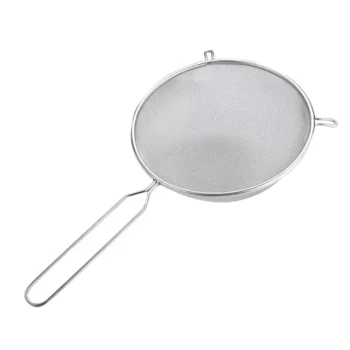
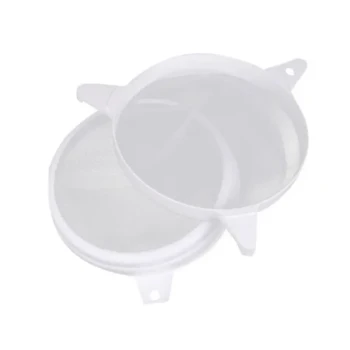
Standard consumer strainers are insufficient for commercial honey. Professional processing relies on multi-layer nylon mesh or stainless steel fine filters. These materials are engineered to intercept fine plant fibers and suspended particles that standard equipment misses.
Enhancing Visual and Textural Quality
Visual appeal drives consumer confidence. Precision filtration removes impurities that cloud the product, ensuring the final honey has a clear color and uniform texture. This process is vital for meeting the aesthetic expectations of the high-end black honey market.
Preventing Abnormal Crystallization
Impurities often act as nucleation points for sugar crystals. By using high-precision equipment to remove suspended particles immediately after harvest, you significantly reduce the risk of abnormal crystallization. This ensures the product maintains its liquid state and texture for longer periods.
Ensuring Biological Stability and Safety
Eliminating Fermentation Risks
Unfiltered honey often contains residual organic matter, such as bee fragments and wax debris. Professional filtration efficiently removes these contaminants. This reduction in organic matter lowers the risk of microbial fermentation, ensuring the honey meets hygiene standards for safe commercial sale.
Preventing Cross-Contamination
Filtration alone is not enough; the hardware itself must remain sterile. Dedicated cleaning equipment guarantees that all surfaces contacting the honey meet food safety requirements. This prevents the transfer of contaminants from one batch to the next.
Maintenance of Processing Integrity
Regular maintenance using cleaning brushes and food-safe sanitizing solutions prevents residue buildup on filters, strainers, and pumps. This ensures that pumps operate effectively and that filtration systems do not become clogged, which would compromise the hygienic barrier.
Operational Efficiency and Preservation
Reducing Environmental Exposure
Professional extraction machinery, often utilizing centrifugal force, separates honey from wax rapidly. This speed minimizes the honey's exposure to air. Reduced air exposure minimizes the risk of secondary contamination and oxidation, preserving the honey's original physical quality.
Maximizing Net Output
Advanced extraction and filtration technologies significantly reduce the waste associated with manual methods. By optimizing the separation process, producers can increase net honey output while maintaining strict quality control.
Understanding the Operational Trade-offs
Increased Maintenance Rigor
Adopting professional filtration adds operational complexity. Filters and pumps require strict cleaning schedules using specific tools like scrubbing brushes and sanitizers to prevent buildup. Neglecting this maintenance can lead to equipment failure or worse, a concentration of contaminants.
The Balance of Filtration
While clarity is desired, the goal is removing impurities, not essential character. High-precision filtration is a powerful tool, but it must be calibrated to remove suspended particles and wax without stripping the honey of its unique identity or value.
Making the Right Choice for Your Goal
To elevate your honey processing to a professional standard, assess your specific market objectives:
- If your primary focus is International Export: Prioritize multi-layer nylon or stainless steel filtration to achieve the transparency and consistency required by global quality standards.
- If your primary focus is Long-Term Shelf Stability: Focus on filtration systems that efficiently remove organic debris and bee fragments to eliminate the risk of microbial fermentation.
- If your primary focus is Operational Hygiene: Invest in dedicated cleaning brushes and food-safe sanitizers to maintain equipment integrity and prevent cross-contamination between batches.
Consistency in filtration and hygiene is the single most important technical differentiator between a local hobbyist and a competitive commercial producer.
Summary Table:
| Feature | Benefits of Professional Equipment | Impact on Final Product |
|---|---|---|
| Filtration Materials | Multi-layer nylon mesh & stainless steel filters | Removes fine particles, prevents abnormal crystallization |
| Cleaning Hardware | Dedicated brushes & food-safe sanitizing solutions | Eliminates cross-contamination & ensures biological stability |
| Processing Speed | High-efficiency centrifugal extraction | Minimizes air exposure & oxidation for better preservation |
| Output Control | Precision machinery & optimized separation | Maximizes net honey yield while maintaining strict hygiene |
Transform Your Honey Production with HONESTBEE
Transition from hobbyist to industry leader with HONESTBEE. As a premier partner for commercial apiaries and distributors, we provide the specialized equipment and consumables necessary to meet international food safety standards.
Our comprehensive portfolio includes:
- Advanced Machinery: From high-efficiency hive-making machines to precision honey-filling systems.
- Professional Tools: Multi-layer filtration systems, stainless steel filters, and essential cleaning hardware.
- Wholesale Consumables: A full spectrum of beekeeping supplies designed for high-end honey processing.
Don't let technical barriers limit your growth. Contact HONESTBEE today to discover how our wholesale solutions and industry expertise can enhance your operational efficiency and product quality.
References
- Kawnin Abdimahad, Fosiya Hussein. Assessment of Post-Harvest Handling Practices of Honey in Erer Zone, Somali Regional State, Ethiopia. DOI: 10.54536/ajaas.v2i2.1827
This article is also based on technical information from HonestBee Knowledge Base .
Related Products
- Electric Double Wall Honey Filtering Machine Purifier Equipment for Honey Processing Plant
- Professional Stainless Steel Honey Filtering Machine with Water Bath Heating for Beekeeping
- Professional Stainless Steel Honey Filter with Support Handle
- 0.5T Capacity Honey Dehumidifier Dryer with Vacuum Heating and Thickening Filtering Machine
- Stainless Steel Triangle Support Honey Strainer and Filters
People Also Ask
- What is the process of filtering honey? A Guide to Clean, Pure, and Market-Ready Honey
- What types of equipment are used in honey filtering? Build an Efficient System for Pure, Marketable Honey
- What is the overall importance of using the right equipment in honey filtering? Boost Quality & Marketability
- What role do professional honey harvesting and filtering equipment play in meeting honey market quality standards? Boost ROI
- What is a potential concern associated with filtering honey? Balancing Clarity and Pollen Preservation