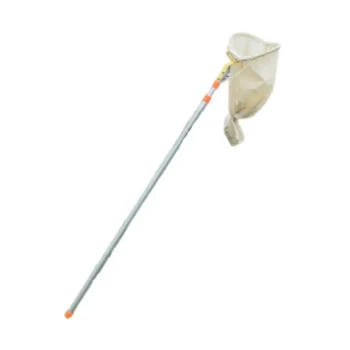
Specialized pest monitoring and prevention consumables are no longer optional accessories; they are critical infrastructure for colony survival. In modern beekeeping, these tools are necessary to detect and neutralize threats from pathogens and parasitic mites before they cause irreversible damage. They allow for prompt intervention in disease transmission cycles, ensuring the continuity of pollination services even in urbanized environments where natural ecosystem support may be compromised.
Effective beekeeping has evolved from simple husbandry to complex biological management; specialized consumables bridge the gap between a colony’s natural vulnerability and the intense pressure of modern pests like Varroa destructor.
The Biological Imperative for Intervention
Combating Parasitic Mites and Pathogens
The primary threat to modern apiaries comes from biological vectors, specifically parasitic mites. These organisms are not just physical nuisances; they are active transmitters of viral pathogens that can collapse a colony.
Using specialized monitoring consumables allows you to identify these threats early. Early detection is the only way to intervene effectively before disease transmission becomes systemic within the hive.
Addressing Urbanization Pressures
Modern environments often lack the biodiversity of wild ecosystems due to increasing urbanization. This reduction in natural forage and habitat places additional stress on bee colonies.
In these compromised environments, bees are less resilient to infestations. Monitoring tools provide the necessary data to support colonies that cannot rely solely on natural defenses or environmental buffers.
Critical Timing and Specific Targets
Managing Post-Harvest Vulnerability
The period immediately following the honey harvest is a moment of high risk. As natural nectar sources dwindle, colony stress levels rise significantly.
This stress makes the hive highly susceptible to opportunistic pests. Utilizing preventive treatments during this window is essential to stop an infestation from taking hold when the bees are biologically weakest.
Targeting Small Hive Beetles and Varroa
Specialized consumables are designed to inhibit specific, high-impact predators. The Small Hive Beetle and the Varroa destructor mite are the two primary adversaries during the post-harvest stage.
By using targeted biological controls against these pests, you ensure the colony maintains enough vigor to survive the winter. This protection is vital for a successful transition into the subsequent pre-harvest cycle.
Understanding the Trade-offs
Operational Complexity vs. Colony Health
Introducing specialized consumables increases the technical complexity of apiary management. It requires the beekeeper to understand not just the bees, but the lifecycles of their pests.
However, the alternative is often a "survival of the fittest" approach that leads to high colony loss rates in modern settings. The added complexity is the price paid for stability.
Cost Implications
There is a direct financial cost associated with high-quality monitoring tools and preventive treatments. This increases the overhead per hive compared to traditional, low-intervention methods.
You must view this expense as insurance for your biological assets. The cost of consumables is significantly lower than the economic loss of replacing a collapsed colony or missing a pollination season.
Making the Right Choice for Your Goal
To integrate these practices effectively, assess your specific objectives:
- If your primary focus is Colony Longevity: Prioritize post-harvest preventive treatments to protect the hive during its most vulnerable stress periods.
- If your primary focus is Pollination Continuity: Focus on frequent monitoring consumables to detect and neutralize mite vectors before they interrupt workforce availability.
By treating pest management as a precise science rather than a reaction to failure, you secure the future productivity of your apiary.
Summary Table:
| Factor | Traditional Approach | Modern Specialized Approach | Impact on Apiary |
|---|---|---|---|
| Pest Detection | Visual inspection (Reactive) | Monitoring Tools (Proactive) | Early intervention before colony collapse |
| Varroa Control | Natural defense reliance | Targeted biological treatments | Neutralizes mite-borne viral pathogens |
| Urban Stress | High vulnerability | Data-driven support | Compensates for lack of natural biodiversity |
| Post-Harvest | Minimal intervention | Preventive treatment window | Protects bees during high-stress periods |
Secure Your Apiary’s Future with HONESTBEE
As a commercial apiary or distributor, you know that the health of your colonies is the foundation of your success. HONESTBEE is dedicated to empowering your operations with a comprehensive wholesale range of beekeeping tools, specialized machinery, and essential consumables.
From advanced hive-making and honey-filling machines for your production line to the precise pest monitoring and prevention tools discussed above, we provide everything needed to combat modern threats like Varroa mites and environmental stress.
Partner with us to enhance your productivity and protect your biological assets.
Contact HONESTBEE today to discuss your wholesale requirements!
References
- Yuta Uchiyama, Ryo Kohsaka. Apiculture knowledge transmission in a changing world: Can family-owned knowledge be opened?. DOI: 10.1016/j.jef.2017.09.002
This article is also based on technical information from HonestBee Knowledge Base .
Related Products
- Gourd Shaped Hanging Wasp Trap Professional Wasp Catcher
- Plastic Beetle Blaster Trap Beekeeping Tools and Supplies
- Plastic Bee Pollen Trap Strips Comb Catcher Collector
- Heavy-Duty Ergonomic Grip Galvanized Pollen Shovel
- Reusable Aluminium Beetle Trap for Small Hive Beetles Silver Bullet
People Also Ask
- How do professional wasp traps function? Master Physical Control of Oriental Hornets to Protect Your Apiary
- What are the practical advantages of using professional wasp traps and protective equipment in apiary management? Scale Up
- Why replace sugar syrup bait in wasp traps every three days? Ensure Maximum Attraction and Catch Rates
- What role do specialized wasp traps play in wasp control? Enhance Apiary Security and Pest Monitoring
- How can commercial apiary operators mitigate wasp predation around hives using specialized trapping equipment? Effective strategies for wasp control