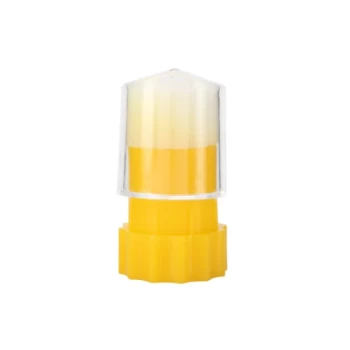
Water-based markers are a critical control mechanism for ensuring the validity of hygienic behavior assays. They are primarily used to create visual guides on the edges of the comb disc and the frame, guaranteeing precise physical alignment when the frozen disc is reinserted into the colony.
Core Insight: The use of markers is not merely for identification; it is a structural necessity. By ensuring the removed comb is returned to its exact original position, you prevent structural irregularities that would trigger abnormal bee behavior, ensuring the test measures only the colony's hygienic response to dead brood.
The Role of Precision in Hygienic Assays
The Procedure Context
The testing process for hygienic behavior involves a physical modification of the hive environment.
Specific sections of the comb (discs) are removed, frozen to kill the brood, and then returned to the colony.
The Function of the Marker
Markers are used to draw registration lines across the edge of the removable disc and the surrounding frame before removal.
This creates a "key" that allows the researcher to reinsert the disc in the exact same orientation later.
Ensuring Data Objectivity
Maintaining Structural Integrity
Honeybees are highly sensitive to the physical state of their hive.
If a disc is reinserted without precise alignment, it may create gaps or uneven surfaces in the honeycomb structure.
Preventing Abnormal Behavior
The primary goal of the assay is to measure the 24-hour cleaning rate of the frozen brood.
However, if the comb fits improperly due to misalignment, bees may focus on repairing the structure rather than removing the dead brood.
Proper marking ensures the bees' activity is a reaction to the test variable (dead brood), not a reaction to a clumsily repaired comb.
Potential Pitfalls to Avoid
The Risk of "Improper Fit"
The reference explicitly warns that abnormal bee behavior is caused by improper fit.
If the alignment is off by even a small margin, the data collected regarding the cleaning rate becomes subjective and unreliable.
Sensitivity to Chemicals
While the primary focus is alignment, the specification of water-based markers is significant.
Solvent-based markers often carry strong odors that can agitate bees or trigger false cleaning behaviors, further compromising the objectivity of the test.
Making the Right Choice for Your Goal
To ensure your hygienic behavior recordings are scientifically valid, adhere to the following principles:
- If your primary focus is Data Accuracy: Use water-based markers to draw clear alignment guides before cutting or removing any comb sections.
- If your primary focus is Behavioral Objectivity: specific attention must be paid to the reinsertion process; ensure the disc is flush and perfectly aligned with your marks to prevent structural distractions for the bees.
Precision in preparation is the only way to guarantee that your results reflect genetics rather than experimental error.
Summary Table:
| Feature | Importance in Hygienic Assays |
|---|---|
| Marker Type | Water-based (Non-toxic, low odor to prevent bee agitation) |
| Primary Function | Creating registration lines for precise comb disc alignment |
| Structural Goal | Maintaining flush surfaces to prevent "repair behavior" |
| Data Integrity | Ensures 24-hour cleaning rates reflect genetics, not physical errors |
Elevate Your Apiary Management with HONESTBEE
Precision in research requires the right tools. At HONESTBEE, we support commercial apiaries and distributors with a comprehensive wholesale range of professional beekeeping equipment. From specialized hive-making machinery and honey-filling systems to essential consumables and honey-themed cultural merchandise, we provide the hardware you need to maintain high industry standards.
Ready to scale your operations or stock premium supplies? Contact us today to discover how our global manufacturing and distribution expertise can drive value for your business.
References
- Elena Facchini, E.W. Brascamp. Hygienic behaviour in honeybees: a comparison of two recording methods and estimation of genetic parameters. DOI: 10.1007/s13592-018-0627-6
This article is also based on technical information from HonestBee Knowledge Base .
Related Products
- Queen Bee Marking Pen POSCA Queen Marking Pens for Beekeeping Bee Markers
- Queen Bee Marking Pen UNI Medium Point for Queen and Bee Marking
- Plastic Long Marker Device for Catching and Marking Bees Queen Bee Marking Tube and Cage
- Plastic Queen Marking Tube Cage with Plunger for Beekeeping
- Queen Bee Marking Tube Cage Bottle Catcher Holder with Clear Plastic Plunger Marker
People Also Ask
- What role do specialized marking pens and color-coding systems play in honeybee tracking? Enhance Research Precision
- Why are specialized marking pens used for stingless bee queens? Essential Tools for Large-Scale Breeding Success
- How should a new paint pen be primed before marking a queen bee? Essential Tips for Safe & Clear Markings
- How should a queen bee marking pen tip be properly primed? Master the Art of Safe Queen Marking
- What specifications are required for a high-quality queen bee marking pen? Ensure Safety and Precision for Your Colony