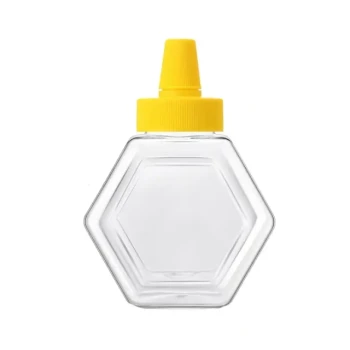
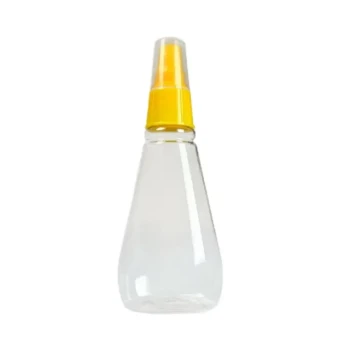
Immediate preservation in sealed sterile containers is mandatory to maintain the biological and chemical integrity of honey. This process prevents the intrusion of atmospheric impurities or heterogeneous pollen and inhibits microbial growth, ensuring that subsequent palynological analysis accurately reflects the original foraging activities and geographic origin of the bees.
Core Takeaway: To guarantee the accuracy of botanical origin testing, honey samples must be isolated from the environment immediately; any exposure to moisture or external particles invalidates the sample's "pollen fingerprint" and compromises its market value.
Preserving the Integrity of Palynological Analysis
Preventing Heterogeneous Pollen Contamination
The primary goal of palynological analysis is to identify the specific flowers visited by bees at a collection site. Sealed containers act as a definitive barrier against "pollen rain" or wind-borne particles from non-target plants. Without an immediate seal, external pollen can enter the sample, leading to false-positive results regarding the honey's botanical source.
Inhibiting Microbial Interference
Honey is a bioactive substance that can support the growth of certain environmental microorganisms if handled incorrectly. Sterilization eliminates existing microbes that could trigger fermentation or alter the chemical profile of the sample. This ensures the hygiene quality assessments remain accurate and the sample does not deteriorate before reaching the laboratory.
Ensuring Geographic Traceability
The pollen profile serves as a "phytogeographical marker" that proves where the honey was produced. By maintaining the sample in its original state, distributors can provide indisputable proof of origin to their clients. This level of technical precision is essential for high-value mono-floral honeys that command premium market prices.
Managing Physicochemical Stability
Combating High Hygroscopicity
Honey is naturally hygroscopic, meaning it aggressively absorbs moisture from the atmosphere. If left unsealed, the moisture content will rise, which lowers the honey’s concentration and triggers the degradation of sensitive enzymes and amino acids. Maintaining the initial moisture level is critical for an accurate representation of the honey’s physical properties.
Preventing Chemical Migration
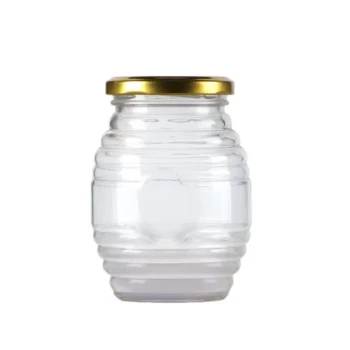
The choice of container material is as vital as the seal itself. Food-grade sterile glass is the industry standard because it is chemically inert and does not react with the acidic nature of honey. This prevents synthetic chemicals from the packaging from leaching into the sample, which could interfere with sensitive laboratory equipment.
Protection Against Environmental Fluctuations
Secondary packaging, such as plastic wraps or light-blocking containers, provides an additional layer of protection against temperature and humidity fluctuations. These environmental factors can accelerate biological activity and lead to the loss of volatile compounds. Efficient order fulfillment in the B2B space relies on these rigorous sampling protocols to ensure product consistency during transport.
Understanding the Trade-offs: Glass vs. Plastic
The Risk of Material Interaction
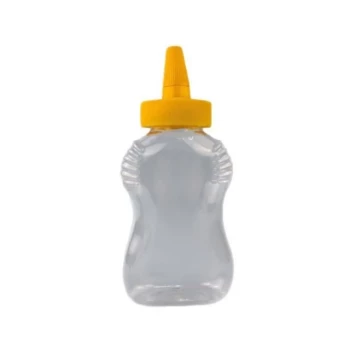
While plastic containers are lighter and more cost-effective for shipping, they may not offer the same chemical stability as glass. Some plastics can allow for minor gas exchange or moisture migration over long periods, which can subtly alter the honey's free acidity. For definitive palynological analysis, glass remains the superior choice for maintaining sample purity.
Logistics and Breakage Concerns
Using glass requires more sophisticated logistics and rapid response times to minimize the window of potential breakage. However, the trade-off for higher shipping care is a significantly more reliable data set. For wholesalers, the cost of a compromised sample—and the resulting loss of buyer trust—far outweighs the incremental cost of premium glass storage.
How to Apply Quality Standards to Your Sourcing Strategy
Strategic Recommendations for B2B Success
Implementing rigorous sampling protocols is a hallmark of professional industry expertise and a key differentiator in the global honey trade.
- If your primary focus is Premium Brand Positioning: Always insist on sterile glass containers for all certification samples to ensure the highest accuracy for "Mono-floral" or "Organic" labels.
- If your primary focus is Supply Chain Efficiency: Utilize secondary sealed packaging and rapid delivery services to minimize the time between collection and laboratory analysis, reducing the risk of sample degradation.
- If your primary focus is Global Distribution: Standardize your sampling kits across all sourcing sites to provide consistent, verifiable data that meets the strict import requirements of international markets.
Mastering the technical nuances of honey sampling ensures that every batch you trade is backed by undeniable scientific integrity and professional excellence.
Summary Table:
| Key Factor | Impact on Palynological Analysis | Industry Standard Solution |
|---|---|---|
| Contamination | Atmospheric "pollen rain" invalidates botanical origin. | Immediate sealing in sterile containers. |
| Microbial Growth | Fermentation alters chemical profile and hygiene. | Use of sterilized, food-grade materials. |
| Hygroscopicity | Moisture absorption degrades enzymes and quality. | Airtight seals to prevent atmospheric exchange. |
| Material Leaching | Synthetic chemicals can interfere with lab results. | High-quality glass or inert food-grade plastic. |
| Traceability | Loss of phytogeographical markers affects pricing. | Standardized sampling and rapid transport. |
Elevate Your Honey Supply Chain with HONESTBEE
As a global leader in beekeeping solutions, HONESTBEE understands that purity and professional standards drive your profit margins. We offer a comprehensive full-spectrum product portfolio tailored for distributors and wholesalers—ranging from high-precision honey-filling machines and hive-making hardware to essential consumables.
Why Partner with Us?
- One-Stop Sourcing: Access everything from specialized machinery to honey-themed cultural merchandise.
- Unmatched Expertise: Deep industry knowledge ensures our equipment meets the rigorous standards required for global trade.
- Rapid Fulfillment: Benefit from ultra-fast delivery and dedicated customer service to maintain your supply reliability.
- B2B Growth Support: We provide OEM/ODM support and competitive wholesale pricing to help you scale.
Ensure the scientific integrity of your products and dominate the market with premium equipment.
Contact HONESTBEE Today to Discuss Your Bulk Needs
References
- Alinne Costa Cavalcante Rezende, Otilene dos Anjos Santos. Pollen of honey from <i>Melipona seminigra merrillae</i> Cockerell, 1919, <i>Scaptotrigona nigrohirta</i> Moure, 1968 and <i>Scaptotrigona</i> sp. Moure, 1942 (Apidae: Meliponini) reared in Sataré Mawé indigenous communities, Amazon, Brazil. DOI: 10.1080/01916122.2018.1458664
This article is also based on technical information from HonestBee Knowledge Base .
Related Products
- Classic Honey Bear Jars with Flip Top Dispensing Cap for Liquid Sweeteners
- Modern Square Glass Honey Jar with Twist Off Lid
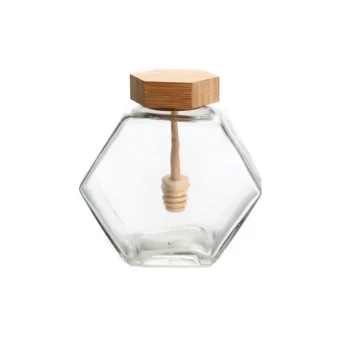
- Hexagonal Glass Honey Jar with Wooden Lid Integrated Dipper Elegant Functional Storage
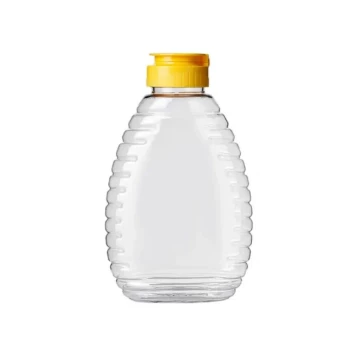
- Squeezable No-Drip Beehive-Shaped Honey Jars with Flip-Top Cap
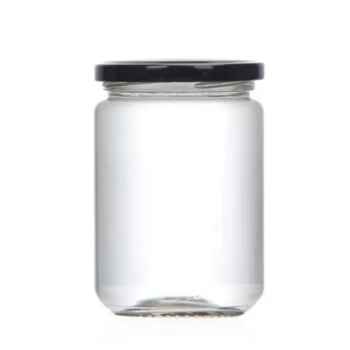
- Classic Round Glass Honey Jar with Lid
People Also Ask
- What food safety standards must honey containers meet? Expert Guide to Packaging Integrity & Hygiene
- Why is it important to distinguish between weight and volume when selecting honey containers? Maximize Profits Now
- What are the benefits of purchasing honey containers in bulk? Maximize Margins & Secure Your Supply Chain
- What should be considered when choosing a container for honey to ensure effective sealing? Master Honey Packaging Success
- What is the best container to store honey in? Preserve Purity & Flavor for Years