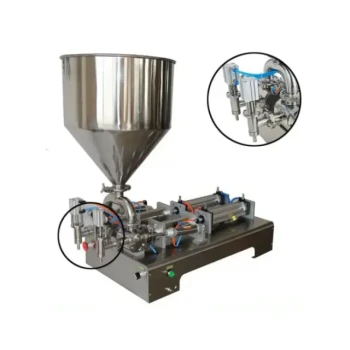
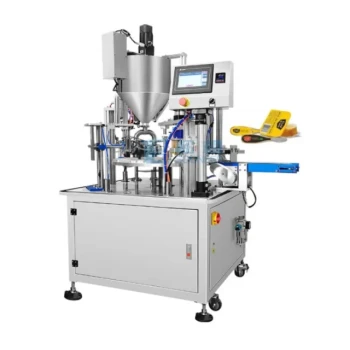
Honey is a biologically active, acidic substance that chemically reacts with standard metals, necessitating the use of specialized materials for processing. Contact surfaces must be constructed from high-grade corrosion-resistant stainless steel, such as 316L, to withstand honey's average pH of 3.90 and prevent the dangerous leaching of heavy metals into the final product.
The selection of 316L stainless steel is not simply a matter of machine durability; it is a critical food safety requirement. Because honey acts as an acidic solvent, using inferior metals risks contaminating the product with toxic heavy metal ions like lead and cadmium.
The Chemical Challenge of Honey
To understand why standard manufacturing materials fail, you must first understand the chemical profile of honey. It is not a neutral liquid; it is a corrosive medium.
The Acidity Factor
Honey possesses a naturally low pH, averaging around 3.90.
This acidity is primarily driven by the presence of organic acids, most notably gluconic acid.
The Corrosive Reaction
When standard steel or lower-grade alloys come into contact with this acidic environment, a chemical reaction occurs.
The organic acids in the honey attack the metal surface, initiating corrosion that may not be immediately visible to the naked eye but is chemically active.
The Critical Role of 316L Stainless Steel
The industry standardizes on 316L stainless steel because of its specific resistance properties. This is a defensive measure to maintain the toxicological safety of the food product.
Preventing Heavy Metal Leaching
The primary danger of using non-resistant metals is the leaching of heavy metal ions.
Without the protective properties of 316L, elements such as lead, cadmium, and chromium can migrate from the machinery into the honey.
Ensuring Toxicological Safety
Once these heavy metals enter the honey, the product becomes a toxicological hazard.
Using 316L creates a stable, inert barrier that prevents this contamination, ensuring the honey remains pure and safe for consumption.
Operational Context and Hygiene
While material science addresses chemical safety, the mechanical design of the filling machinery addresses environmental purity.
The Closed Environment
Advanced filling machinery operates in a closed environment to protect the honey's integrity.
This design minimizes contact with surrounding air, which prevents microbial contamination and ensures high hygiene standards.
Combating Moisture Absorption
Honey is hygroscopic, meaning it naturally attracts and holds water molecules from the air.
A closed system prevents moisture absorption, which could otherwise spoil the honey or alter its fermentation stability.
Understanding the Trade-offs
When selecting machinery, engineering choices often involve balancing cost against performance. However, with acidic food products, the margin for error is slim.
Material Cost vs. Liability
High-grade stainless steel like 316L represents a higher initial capital expense compared to lower-grade stainless steels (such as 304) or plastics.
However, the "savings" from cheaper materials are negated by the risk of product recalls and health liabilities caused by heavy metal contamination.
Precision vs. Speed
While high-speed filling is desirable for efficiency, precise control is required to prevent waste.
Modern machines balance this by controlling weight or volume to reduce overflow loss, ensuring that increased production speed does not result in product wastage.
Making the Right Choice for Your Goal
Selecting the right equipment requires aligning your material standards with your production goals.
- If your primary focus is Toxicological Safety: Prioritize machinery with 316L contact surfaces to neutralize the risk of gluconic acid leaching heavy metals like lead or chromium.
- If your primary focus is Product Stability: Ensure the machinery operates in a closed environment to prevent moisture absorption and microbial growth.
- If your primary focus is Efficiency: Look for automated systems that offer precise volume control to minimize overflow loss while maintaining a high-grade material standard.
Invest in the correct metallurgy today to ensure your product remains pure, safe, and compliant tomorrow.
Summary Table:
| Feature | 316L Stainless Steel | Standard Metals (e.g., 304) |
|---|---|---|
| pH Resistance | High (handles pH 3.90 easily) | Low (prone to acid pitting) |
| Heavy Metal Safety | Inert; no leaching | Risks lead/cadmium contamination |
| Corrosion Source | Resists gluconic acid | Reactive to organic acids |
| Durability | Long-term food-grade stability | Frequent replacement needed |
| Compliance | Meets global food safety standards | Often fails toxicological audits |
Secure Your Apiary’s Integrity with HONESTBEE
At HONESTBEE, we understand that for commercial apiaries and distributors, equipment quality equals product safety. Our honey-filling machines are engineered with premium 316L stainless steel to protect your harvest from heavy metal contamination and ensure compliance with strict food safety regulations.
From advanced filling and hive-making machinery to essential beekeeping tools and industry consumables, we provide a comprehensive wholesale solution tailored to your growth. Partner with a supplier who values your product's purity as much as you do.
Contact HONESTBEE Today for a Custom Equipment Quote
References
- Rizwana Afroz, Tanvir EM. Molecular Pharmacology of Honey. DOI: 10.4172/2161-1459.1000212
This article is also based on technical information from HonestBee Knowledge Base .
Related Products
- Heavy Duty Stainless Steel Honey Processing Machine Decrystallizing Tank
- Professional Stainless Steel Honey Filtering Machine with Water Bath Heating for Beekeeping
- Heavy Duty 304 Stainless Steel Honey Dipper
- Precision Durable Efficient HONESTBEE Rotary Honey Filling Machine
- Easy Use Manual Stainless Steel Honey Press for Honey Comb
People Also Ask
- What are the features of the processing tanks offered? Engineered for Purity and Efficiency
- What types of stainless steel processing tanks are used for honey? Essential Equipment for Quality Honey Production
- What design options are available for honey processing tanks? Optimize Efficiency with Custom Geometries
- What types of stainless steel are used for honey processing? Ensure Food Safety with 304 & 316 Grade Equipment
- Why is industrial-grade stainless steel processing equipment required for honey harvesting? Ensure Purity & Compliance