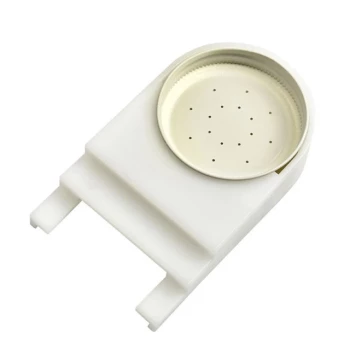
Beekeepers use feeders to provide essential nutrition—typically sugar syrup or granulated sugar—to a colony when natural resources are insufficient. In a Langstroth hive, these devices are critical survival tools used to prevent the colony from starving during periods of nectar dearth or environmental stress.
Core Insight: The primary function of a feeder is to bridge the gap between the colony’s nutritional needs and the environment's ability to supply them. In a Langstroth system, the standardized, modular design allows for specific feeder integrations that maintain the hive's internal ecosystem while delivering food.
The Biological Necessity of Supplemental Feeding
Preventing Starvation During Scarcity
The fundamental reason for using a feeder is to keep the colony alive when nature cannot.
Bees rely on nectar flows, which are not consistent throughout the year. When these natural sources are scarce, the colony risks starvation without intervention.
Simulating Nectar Flows
Feeders allow the beekeeper to provide a steady supply of carbohydrates.
By introducing sugar syrup or granulated sugar, the beekeeper simulates a nectar flow. This ensures the bees have the energy required to maintain hive temperature and support basic metabolic functions.
Feeder Types in the Langstroth System
Leveraging Modular Design
The Langstroth hive is the industry standard, known for its interchangeable components and stackable boxes.
Because of this standardization, beekeepers have access to a wide variety of specific feeder styles designed to fit seamlessley with Langstroth equipment.
The Division Board (Frame) Feeder
This style highlights the versatility of the Langstroth design.
A division board feeder hangs inside the hive box exactly like a standard wooden frame. It holds syrup internally, allowing bees to feed without leaving the safety of the hive.
External and Top-Mount Options
Beekeepers may also utilize entrance feeders, which slide into the front hive opening, or hive top feeders.
Top feeders sit above the frames, utilizing the Langstroth’s vertical expandability to provide large volumes of feed without disturbing the brood nest below.
Understanding the Trade-offs
Internal Space Management
While effective, internal feeders come with a cost to hive capacity.
A frame-style feeder occupies the physical space of one or two frames within the box. This reduces the total surface area available for the bees to draw comb, store natural honey, or raise brood.
Equipment Dependencies
Choosing a feeder often depends on the specific manufacturing standards of your equipment.
While Langstroth parts are generally interchangeable, slight variations between suppliers can occur. Ensuring your specific feeder style fits your specific box dimensions is necessary to prevent gaps where bees could drown or pests could enter.
Making the Right Choice for Your Goal
Selecting the right feeding strategy depends on the immediate status of your colony and the season.
- If your primary focus is preventing starvation: Use a feeder immediately when you observe a lack of natural nectar sources in your area.
- If your primary focus is equipment compatibility: Utilize a division board (frame) feeder to take advantage of the Langstroth's standard internal dimensions, provided you can sacrifice the space of one or two frames.
Feeders are not a permanent fixture, but a critical bridge to ensure your colony survives to see the next bloom.
Summary Table:
| Feeder Type | Installation Location | Best For | Impact on Space |
|---|---|---|---|
| Division Board | Inside hive body (replaces frame) | Internal feeding, low disturbance | Occupies 1-2 frame spaces |
| Hive Top Feeder | Above the top brood box | High-volume feeding | Adds vertical height |
| Entrance Feeder | Hive entrance opening | Easy monitoring and refills | No internal space reduction |
| Internal Pail | On top of inner cover | Winter or bulk feeding | Requires empty super box |
Scale Your Apiary Operations with HONESTBEE
At HONESTBEE, we understand the specialized needs of commercial apiaries and distributors. Our comprehensive wholesale offering ensures you have access to the highest quality beekeeping tools, machinery, and essential industry consumables required to sustain large-scale honey production.
From standardized Langstroth components and specialized feeders to advanced hive-making and honey-filling machines, we provide the hardware and support your business needs to thrive. We also offer a diverse array of honey-themed cultural merchandise to help you expand your brand's reach.
Ready to optimize your supply chain?
Contact Us Today to discover how our expert manufacturing and global distribution can deliver unparalleled value to your beekeeping enterprise.
Related Products
- Professional Hive Top Bee Feeder for Beekeeping
- Professional In-Hive Bee Feeder HONESTBEE Frame for Beekeeping
- Australian Langstroth Beehive Boxes for Beekeeping Wholesales
- High-Performance Langstroth Bee Hives for Global Professional Beekeeping
- Solid Bottom Board Australian Pine Wood Langstroth Bottom Board for Wholesale
People Also Ask
- What is a hive top feeder? A Guide to Efficient, Low-Stress Beekeeping
- Do I need an inner cover with a hive top feeder? Optimize Your Hive Setup for Healthy Bees
- What is a hive top feeder, and how does it work? A Complete Guide to Efficient In-Hive Feeding
- What are the characteristics, advantages, and disadvantages of hive top feeders? Optimize Your High-Volume Feeding
- How does a hive top feeder work? Optimize Your Apiary's Nutrition and Security