The Allure of a Simple Mistake
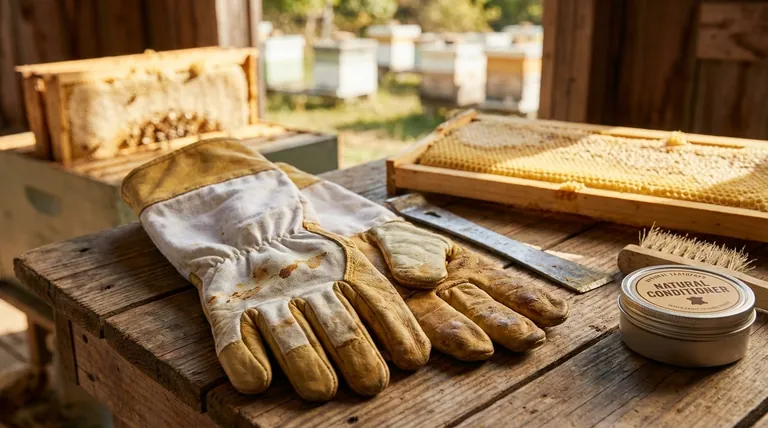
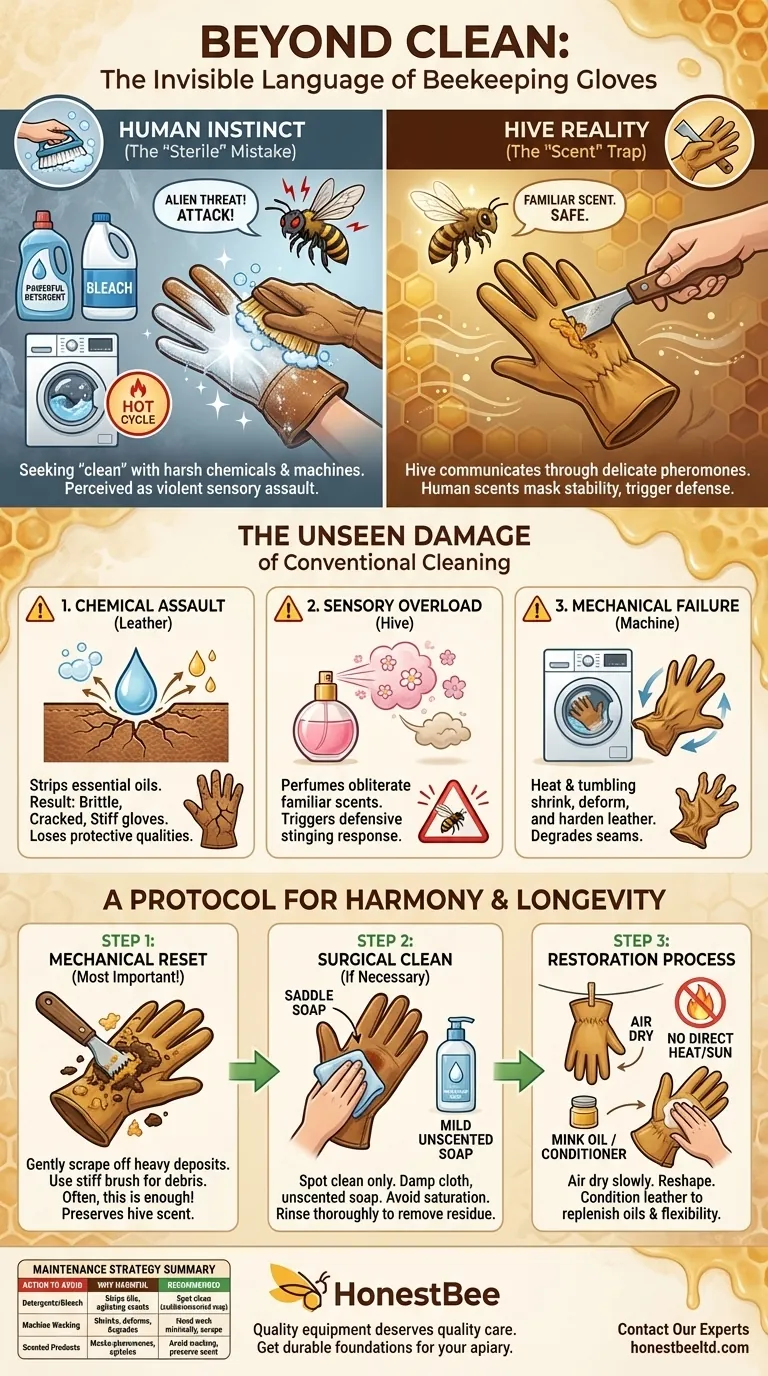
After a long day in the apiary, your gloves are caked in a mosaic of beeswax and sticky, amber propolis. Your first human instinct is to make them clean. You reach for the same tools you use everywhere else: the powerful detergent, the hot water, maybe even the washing machine.
This instinct, while logical in our world, is a critical failure in the world of the hive.
Our definition of "clean"—sterile, fragrant, and spotless—is perceived as a violent, chemical threat inside a colony that communicates through the subtle language of scent. The single greatest mistake a beekeeper can make in equipment maintenance is applying a human solution to a bee problem.
The Cognitive Trap of "Cleanliness"
We are pattern-matching creatures. We apply successful strategies from one domain to new ones. This works for learning to drive different cars, but it fails spectacularly when our domain collides with a complex biological system.
In the human home, a bleach or lemon scent signals hygiene and safety. In the hive, that same scent is an alien invader. It screams "threat" over the delicate pheromones the queen uses to manage her colony. It's the equivalent of a stranger bursting into a quiet library and shouting. The bees' defensive reaction isn't malice; it's a logical response to a sensory assault.
The Unseen Damage of Conventional Cleaning
The problem is twofold, affecting both the physical integrity of your gear and the behavioral stability of your hive. The wrong method doesn't just fail to help; it actively causes harm.
The Chemical Assault on Leather
Your leather gloves are a shield, composed of a natural, fibrous material kept supple by oils.
- Household Detergents: These are designed to strip organic matter and oils. On leather, they act as a chemical solvent, pulling out the essential fats that give the material its flexibility and strength.
- Bleach: Even more corrosive, bleach will permanently weaken and discolor leather fibers.
The result is a pair of gloves that become brittle, cracked, and stiff. They lose their protective qualities and comfort, failing at their primary purpose.
The Sensory Overload in the Hive
Bees navigate their world through a complex tapestry of pheromones. Alarm pheromones signal danger, while the queen's mandibular pheromone signals her presence and the colony's stability. Your gloves, over time, become part of this familiar scent profile.
Washing them with perfumed cleaners obliterates this familiarity. You are no longer a recognized presence but a source of alarming, foreign smells, which can easily trigger a defensive, stinging response.
The Mechanical Failure of Machines
A washing machine is a death sentence for leather gloves. The combination of complete saturation and tumbling action causes the leather to shrink, deform, and harden into an unusable shape. For synthetic gloves, it degrades the seams and coatings, drastically shortening their functional lifespan.
A Protocol for Harmony and Longevity
Proper glove maintenance is not about achieving a sterile state. It's a protocol designed to maintain safety and hygiene without disrupting the hive.
Step 1: The Mechanical Reset
This is the most important and often the only step you need.
- Use your hive tool to gently scrape off the heavy deposits of beeswax and propolis.
- Use a stiff brush to remove the remaining loose debris.
For many seasoned beekeepers, this is the beginning and end of "cleaning." The gloves retain the hive's scent, and their protective function is unimpaired.
Step 2: The Surgical Clean (When Necessary)
If you must wash them, for instance, to remove potential pathogens, do so with surgical precision.
- For Leather: Use a damp cloth and a small amount of saddle soap. Work it into specific spots, then wipe clean. Avoid saturation.
- For Synthetics: Use a mild, unscented soap and water.
Rinse thoroughly to ensure no residue remains, as this is just another foreign scent.
Step 3: The Restoration Process
Drying is as critical as washing.
- Never use a machine dryer or direct heat.
- Reshape the gloves and let them air dry slowly, away from direct sun.
- Once dry, condition your leather gloves with mink oil or a dedicated leather conditioner. This replenishes the oils lost during cleaning and keeps the material from becoming brittle.
Choosing Your Maintenance Strategy
Your approach depends on your priority. A simple framework can guide your decision.
| Action to Avoid | Why It's Harmful | Recommended Alternative |
|---|---|---|
| Using household detergents/bleach | Strips leather oils, leaves agitating scents | Spot clean with saddle soap or mild, unscented soap |
| Machine washing | Causes leather to shrink and deform; degrades seams | Hand wash minimally; focus on mechanical scraping |
| Using scented products | Masks natural hive pheromones, can agitate bees | Avoid washing to preserve hive scent; use unscented products |
This meticulous approach to maintenance preserves the delicate balance between beekeeper and bee. It starts with respecting the equipment as a crucial interface between two different worlds. Of course, this level of care is most rewarding when applied to gear built to last. Durable, well-designed gloves from HONESTBEE provide the reliable foundation that professional apiaries need.
We understand that quality equipment is the first step toward a harmonious and productive beekeeping operation. To ensure your gear can withstand the rigors of the field and the test of time, Contact Our Experts.
Visual Guide
Related Products
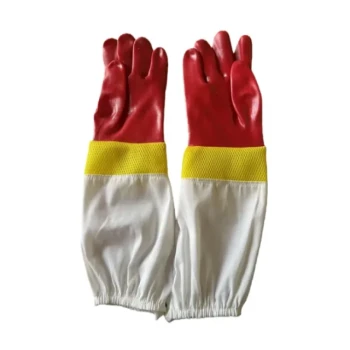
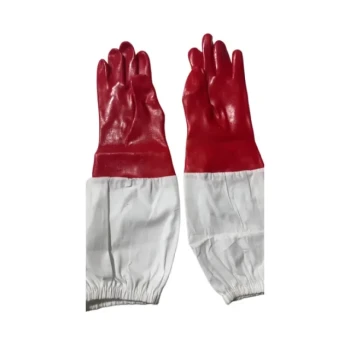
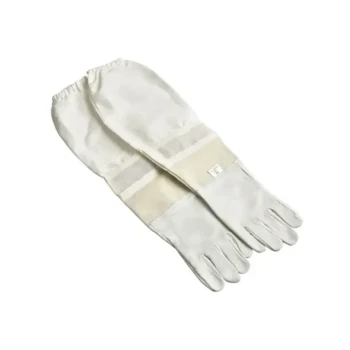
- Beekeeping Gloves Goatskin Leather with Long Cotton Sleeve for Beekeepers
- Heavy Duty Red Rubber Beekeeping Gloves with Vented Mesh Cotton Sleeves
- Heavy Duty Red Rubber Beekeeping Gloves with Extended Pure Cotton Sleeves for Beekeepers
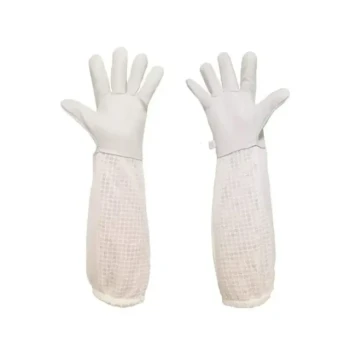
- Goatskin Leather Beekeeper Gloves with Vent Long Sleeve for Beekeeping Honey Bee Sting Proof Protection
- Premium Ventilated Goatskin Beekeeping Gloves with Full 3-Layer Mesh Sleeve
Related Articles
- How Proper Storage Extends Beekeeping Glove Lifespan by Multiple Seasons
- The Second Skin: A Beekeeper's Guide to Glove Longevity and Apiary Health
- How to Choose Beekeeping Gloves: Material Science for Optimal Protection & Dexterity
- How to Choose Beekeeping Gloves: Material, Fit, and Care Explained
- Beyond the Sting: How Glove Hygiene Dictates Apiary Success