Starting your beekeeping journey? The right gloves can mean the difference between confident hive inspections and frustrating stings. This guide breaks down glove selection into three critical factors—protection, dexterity, and cost—so you can make an informed choice without overspending.
Beekeeping Glove Essentials for Beginners
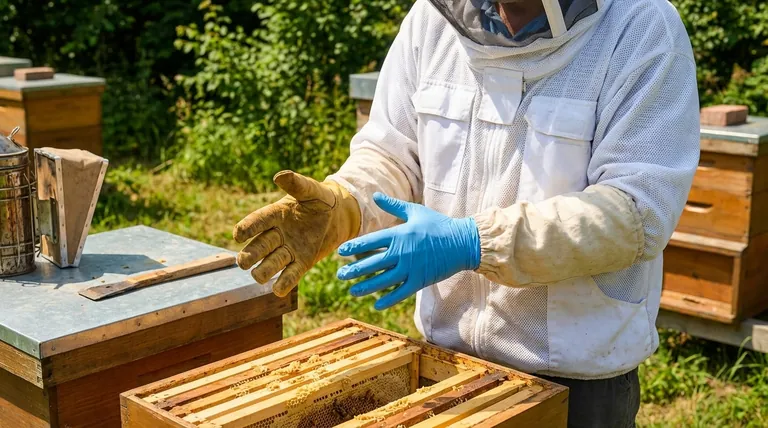
Beekeeping gloves serve as your first line of defense against stings while handling frames, smokers, and hive tools. But not all gloves are equal. Beginners often struggle with:
- Overprotection: Thick leather gloves reduce sting risk but limit tactile sensitivity.
- Underprotection: Thin disposable gloves offer dexterity but fail against aggressive colonies.
- Budget constraints: High-end gloves may not be cost-effective for new beekeepers.
Research shows that glove choice directly impacts your ability to inspect hives efficiently and avoid accidents. Let’s explore how to strike the right balance.
Why Glove Choice Impacts Beekeeping Success
Bee stings on hands are not just painful—they can trigger allergic reactions or make you hesitant during inspections. However, excessive protection comes with trade-offs:
Key Risks of Poor Glove Selection
- Reduced Dexterity: Stiff gloves make it harder to handle frames or tools, increasing the risk of crushing bees (which triggers defensive behavior).
- Heat and Discomfort: Non-breathable materials cause sweating, leading to fatigue during long hive checks.
- False Security: Thin gloves may tear mid-task, exposing you to stings.
Pro Tip: Beginner beekeepers should prioritize full-hand protection until they understand their colony’s temperament.
Comparing Materials: Leather, Nitrile, and Disposable Gloves
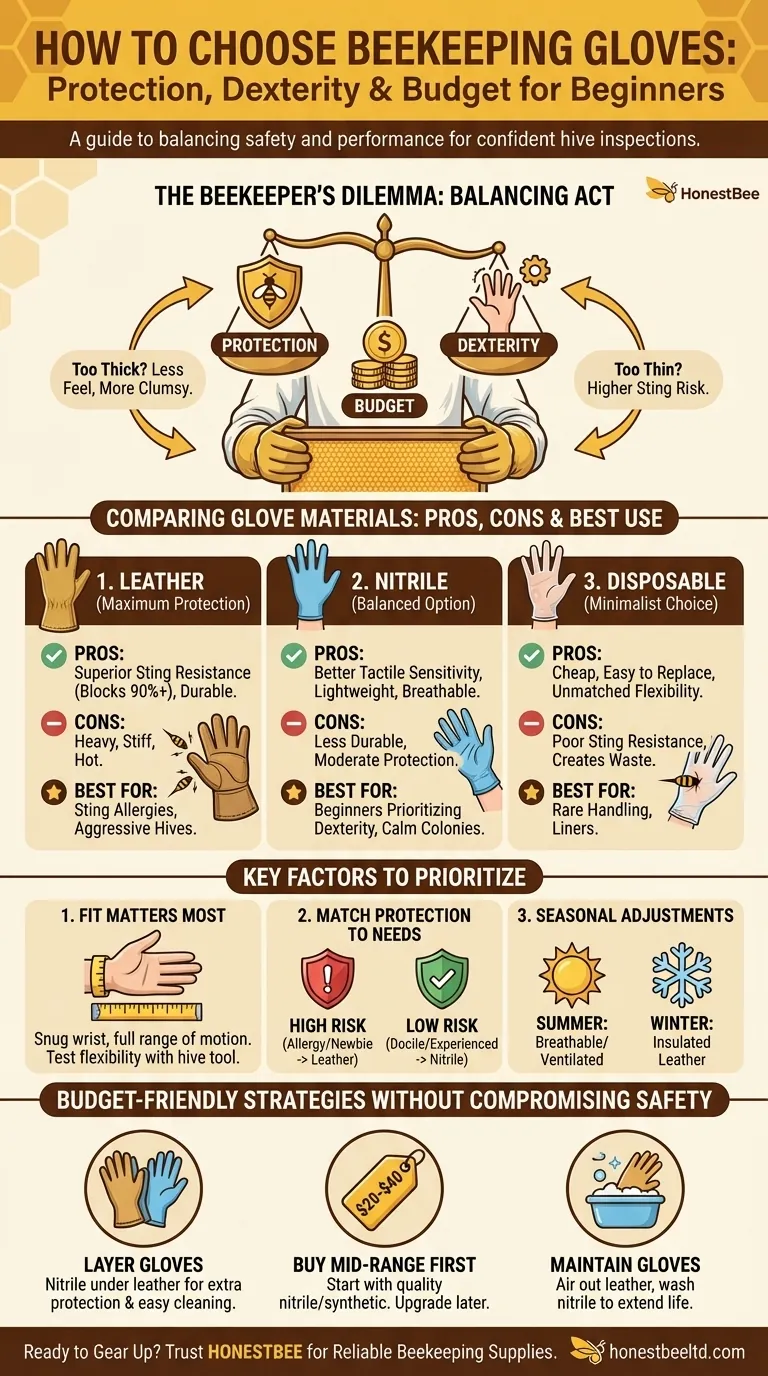
1. Leather Gloves (Maximum Protection)
-
Pros:
- Superior sting resistance (goatskin leather blocks 90%+ of stingers).
- Durable against wood splinters and hive tools.
-
Cons:
- Heavy and stiff, reducing finger mobility.
- Hot in summer; may require frequent airing.
Best for: Beekeepers with sting allergies or aggressive hives.
2. Nitrile Gloves (Balanced Option)
-
Pros:
- Better tactile sensitivity than leather (~30% more grip precision).
- Lightweight and breathable.
-
Cons:
- Less durable; may need replacement every few months.
- Moderate sting protection (works best for calm colonies).
Best for: Beginners prioritizing dexterity over absolute sting-proofing.
3. Disposable Gloves (Minimalist Choice)
-
Pros:
- Cheap and easy to replace.
- Unmatched flexibility for detailed tasks.
-
Cons:
- Poor sting resistance (bees can pierce latex easily).
- Not reusable; creates waste.
Best for: Beekeepers who rarely handle hives or use them as liners under other gloves.
Key Factors to Prioritize: Sting Resistance vs. Tactile Sensitivity
1. Fit Matters Most
Gloves should:
- Snugly cover wrists to prevent bee entry.
- Allow full range of motion for frame removal.
Try before buying: Test gloves with a hive tool to assess flexibility.
2. Match Protection to Your Needs
- High risk: Opt for elbow-length leather if you’re allergic or new to beekeeping.
- Low risk: Nitrile gloves suffice for docile bees or experienced keepers.
3. Seasonal Adjustments
- Summer: Choose breathable nitrile or ventilated leather.
- Winter: Insulated leather adds warmth.
Budget-Friendly Strategies Without Compromising Safety
1. Layer Gloves
Pair disposable nitrile gloves under cheaper leather ones for:
- Extra sting protection.
- Easier cleaning (replace nitrile liners after each use).
2. Buy Mid-Range First
Invest in ~$20–$40 nitrile or synthetic leather gloves initially. Upgrade later if needed.
3. Maintain Gloves Properly
- Air out leather gloves after use.
- Wash nitrile gloves with mild soap to extend lifespan.
Ready to Gear Up? Trust HONESTBEE for Reliable Beekeeping Supplies
Whether you’re a hobbyist or managing multiple hives, HONESTBEE offers durable, ergonomic gloves designed for real-world beekeeping. Our wholesale-focused kits help distributors and apiaries equip beginners and pros with cost-effective protection.
Explore our range today—because confident beekeeping starts with the right tools.
Products You Might Be Looking For:
Explore professional beekeeping protective gear
Visual Guide
Related Products
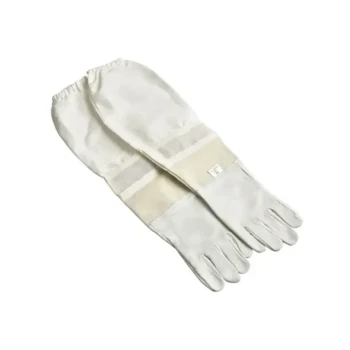
- Beekeeping Gloves Goatskin Leather with Long Cotton Sleeve for Beekeepers
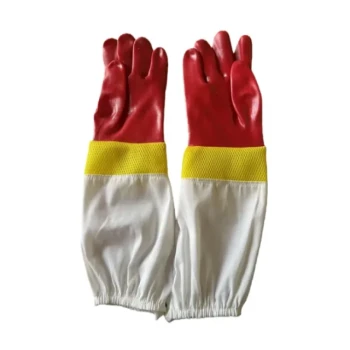
- Heavy Duty Red Rubber Beekeeping Gloves with Vented Mesh Cotton Sleeves
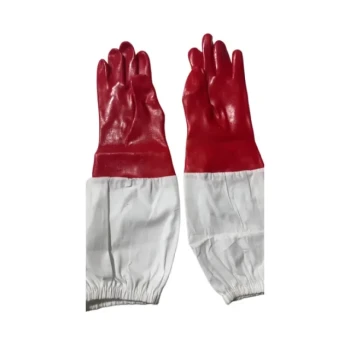
- Heavy Duty Red Rubber Beekeeping Gloves with Extended Pure Cotton Sleeves for Beekeepers
- Goatskin Leather Beekeeper Gloves with Vent Long Sleeve for Beekeeping Honey Bee Sting Proof Protection
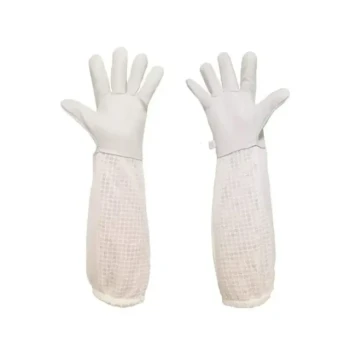
- Premium Ventilated Goatskin Beekeeping Gloves with Full 3-Layer Mesh Sleeve
Related Articles
- How Proper Storage Extends Beekeeping Glove Lifespan by Multiple Seasons
- The Second Skin: A Beekeeper's Guide to Glove Longevity and Apiary Health
- How to Choose Beekeeping Gloves: Material Science for Optimal Protection & Dexterity
- How to Choose Beekeeping Gloves: Material, Fit, and Care Explained
- Beyond the Sting: How Glove Hygiene Dictates Apiary Success