The Hand is the Tool
In beekeeping, the most important tool is not the smoker or the hive tool. It is the human hand.
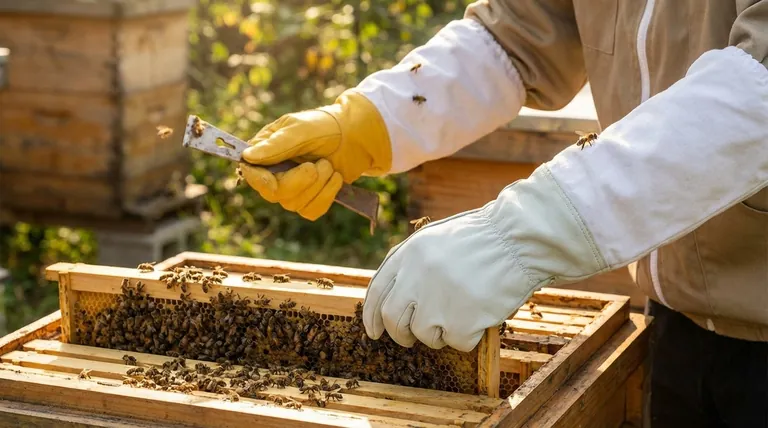
Every action—lifting a frame, inspecting brood, assessing queen health—is a dialogue between the beekeeper and the colony. The success of that dialogue depends entirely on the quality of the interface between them. That interface is the glove.
Choosing a glove is not a simple matter of protection. It is a strategic decision about risk, psychology, and operational precision.
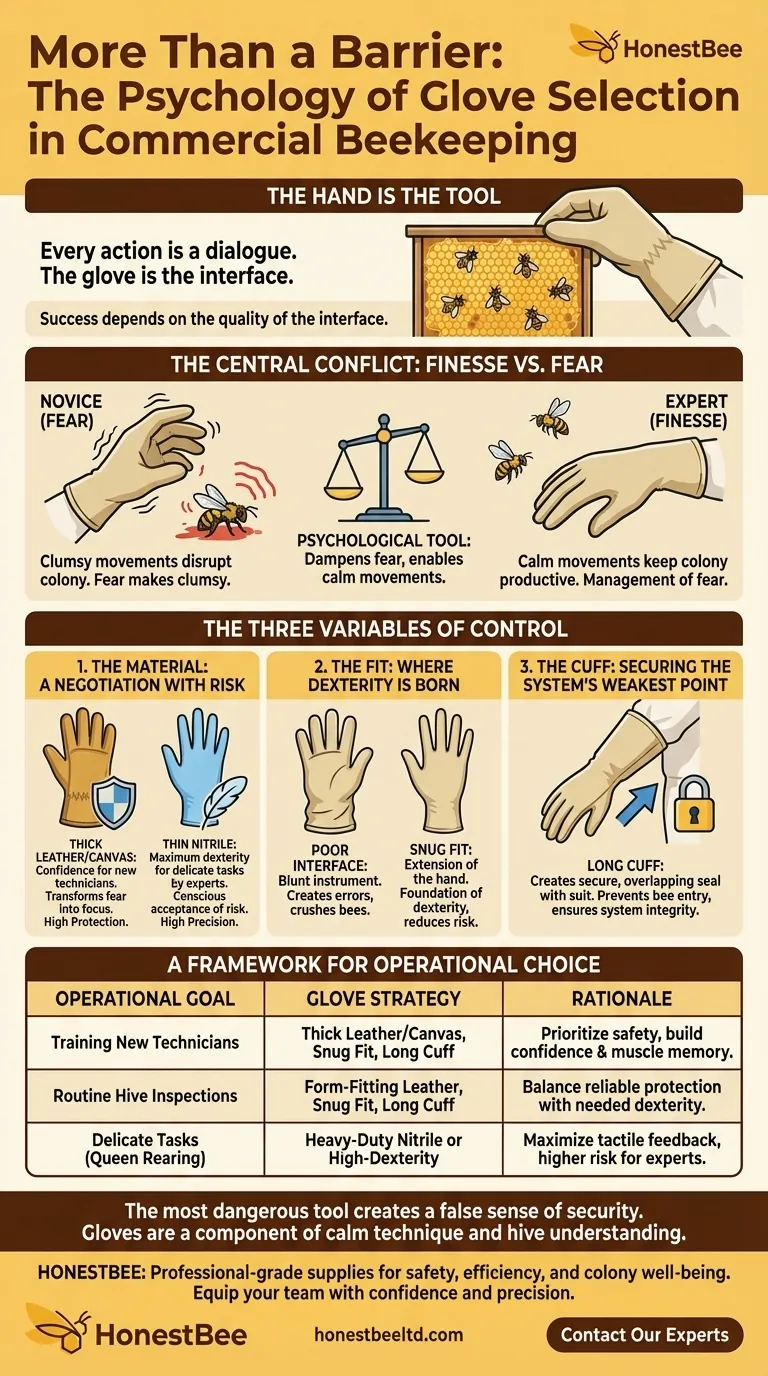
The Central Conflict: Finesse vs. Fear
Watch a novice work a hive. They are often hesitant, their movements jerky. Their fear of being stung makes them clumsy. This clumsiness is far more disruptive to a colony than a sting is to a beekeeper. An accidentally crushed bee releases an alarm pheromone, cascading a defensive response through the hive.
Now, watch an expert. Their movements are slow, deliberate, and calm.
The difference is not a lack of fear, but the management of it. For most, the right glove is a psychological tool. It dampens the fear of the sting, which in turn enables the calm, gentle movements that keep a colony productive and placid.
The central challenge is balancing this confidence with the tactile sensitivity needed to work effectively. It’s a trade-off that defines a beekeeper's technique.
The Three Variables of Control
An optimal glove choice isn't about finding the thickest leather. It's about designing an interface that matches the task and the operator. This comes down to three core engineering principles.
1. The Material: A Negotiation with Risk
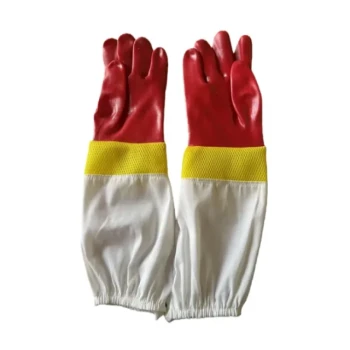
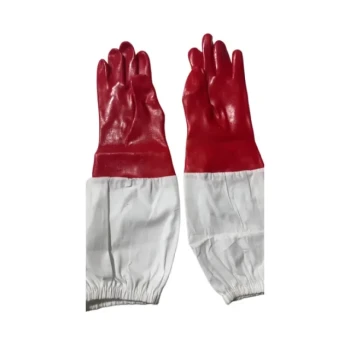
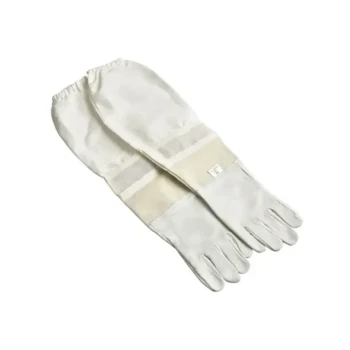
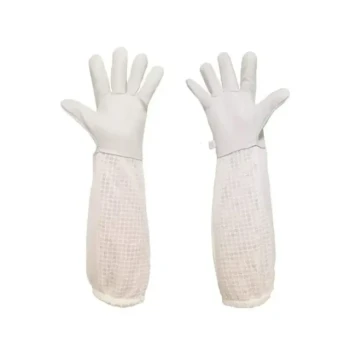
The material of a glove is your first line of defense. Thick leather or durable canvas provides a physical barrier a bee's stinger cannot easily penetrate.
For a new technician in a commercial apiary, this barrier is non-negotiable. It provides the confidence needed to learn and work without constant anxiety. It transforms fear into focus.
Thin nitrile gloves, on the other hand, offer almost no sting protection. Their value lies in maximum dexterity, making them a tool for specific, delicate tasks performed by seasoned experts on known, calm colonies. They represent a conscious acceptance of risk in exchange for precision.
2. The Fit: Where Dexterity is Born
A poor interface creates errors. A loose-fitting glove with excess material at the fingertips is a blunt instrument. It makes it impossible to grasp a frame securely or to avoid rolling bees between surfaces.
A snug fit is the foundation of dexterity. It allows the glove to become an extension of the hand, not a clumsy puppet. This precision is not a luxury; it is an operational necessity. Every crushed bee is a small failure that contributes to hive stress, reduces productivity, and increases risk for the operator.
3. The Cuff: Securing the System's Weakest Point
Bees are masters of finding vulnerabilities. The seam between the glove and the bee suit is the most common point of failure.
A long cuff is critical. It should extend well up the forearm, allowing the sleeve of the suit to be pulled down over it, creating a secure, overlapping seal. This isn't just about comfort; it's about system integrity. A single bee inside a suit can compromise an entire inspection.
A Framework for Operational Choice
The right glove is context-dependent. A large-scale commercial operation requires a thoughtful approach, matching the equipment to the specific goal and experience level of the team.
| Operational Goal | Glove Strategy | Rationale |
|---|---|---|
| Training New Technicians | Thick Leather/Canvas, Snug Fit, Long Cuff | Prioritize safety to build confidence and muscle memory for calm, steady movements. |
| Routine Hive Inspections | Form-Fitting Leather, Snug Fit, Long Cuff | Balance reliable protection with the dexterity needed for efficient, gentle handling. |
| Delicate Tasks (Queen Rearing) | Heavy-Duty Nitrile or High-Dexterity Alternatives | Maximize tactile feedback, accepting a higher risk profile for experienced staff. |
The most dangerous tool is one that creates a false sense of security. Even the best gloves cannot compensate for rough handling. They are a component in a larger system of calm technique, proper smoking, and hive understanding.
Choosing the right glove at scale requires a supplier that understands these critical nuances. At HONESTBEE, we equip commercial apiaries and distributors with professional-grade supplies designed for safety, efficiency, and the well-being of your colonies. We provide the tools that allow your team to work with confidence and precision.
Let's ensure your operation has the right interface for the job. Contact Our Experts.
Visual Guide
Related Products
- Beekeeping Gloves Goatskin Leather with Long Cotton Sleeve for Beekeepers
- Heavy Duty Red Rubber Beekeeping Gloves with Vented Mesh Cotton Sleeves
- Heavy Duty Red Rubber Beekeeping Gloves with Extended Pure Cotton Sleeves for Beekeepers
- Goatskin Leather Beekeeper Gloves with Vent Long Sleeve for Beekeeping Honey Bee Sting Proof Protection
- Premium Ventilated Goatskin Beekeeping Gloves with Full 3-Layer Mesh Sleeve
Related Articles
- How Proper Storage Extends Beekeeping Glove Lifespan by Multiple Seasons
- The Second Skin: A Beekeeper's Guide to Glove Longevity and Apiary Health
- How to Choose Beekeeping Gloves: Material Science for Optimal Protection & Dexterity
- How to Choose Beekeeping Gloves: Material, Fit, and Care Explained
- Beyond the Sting: How Glove Hygiene Dictates Apiary Success