The Hidden Cost of a Warped Grid
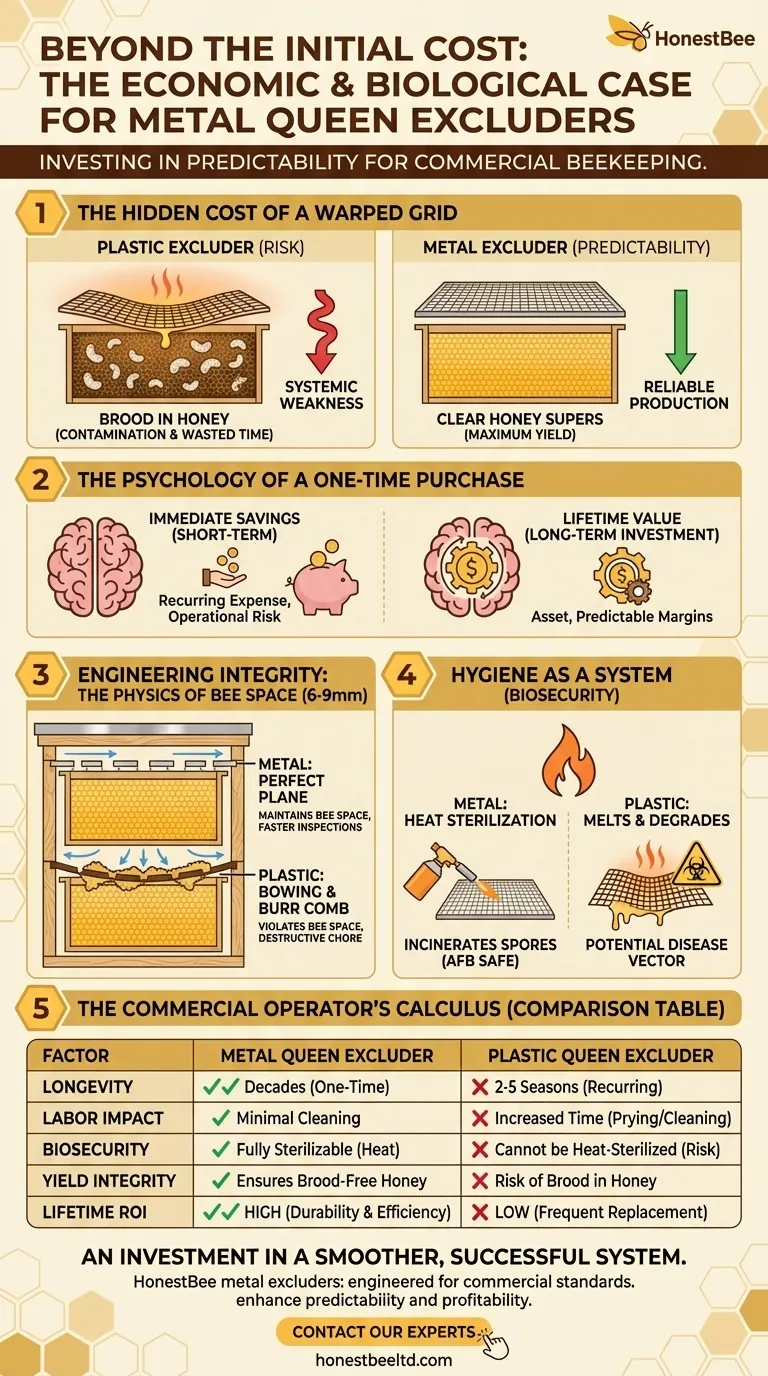
A commercial beekeeper pulls a heavy frame from a honey super. It should be filled wall-to-wall with capped honey, a perfect sheet of liquid gold. Instead, a milky patch of brood stares back—larvae swimming in royal jelly where profitable honey should be.
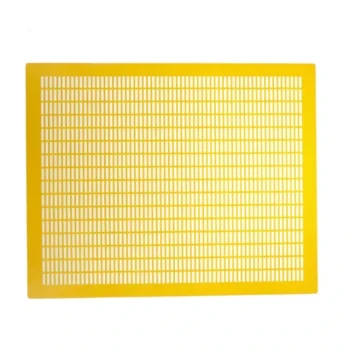
The cause isn't disease or a failing queen. It's a millimeter's sag in a plastic queen excluder, a subtle warping under the summer heat and the weight of the colony. A gap just wide enough for the queen to slip through and disrupt the entire system of production.
This single frame represents a cascade of failures: contaminated honey, wasted extraction time, and a disruption to the hive's carefully managed structure. It’s a small problem that reveals a systemic weakness. The choice of equipment, it turns out, is a choice about risk management.
The Psychology of a One-Time Purchase
Humans are wired to favor immediate savings. The lower upfront cost of a plastic excluder feels like a pragmatic win. But this thinking overlooks the second- and third-order consequences.
The true cost of a tool isn't its price tag; it's the sum of its impact over its entire lifespan. A tool that fails creates expensive problems. A tool that must be replaced every few seasons isn't an asset; it's a recurring operational expense.
The decision to use a metal queen excluder is an investment in predictability. It's a vote against the recurring "surprises" that eat into margins and efficiency. It is, fundamentally, a long-term business decision, not a short-term budget line item.
Engineering Integrity: The Physics of Bee Space
Bees are master architects, and they build according to a single, non-negotiable rule: bee space. This precise gap, roughly 6 to 9 millimeters, is the dimension they leave between combs for passage. Any larger, and they fill it with burr comb. Any smaller, and they seal it with propolis.
A queen excluder is not just a barrier; it's a piece of that architecture.
The Criticality of a Perfect Plane
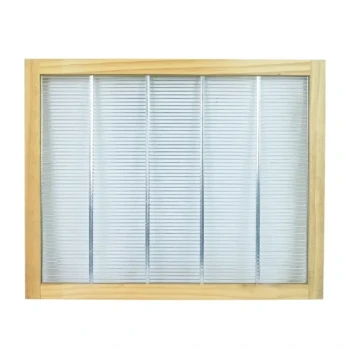
Metal's primary advantage is its structural integrity. It sits perfectly flat across the top of the brood box, maintaining exact bee space. It does not sag, warp under heat, or bend under the weight of honey supers. This rigidity prevents the bees from building unwanted comb, ensuring clear pathways and making hive inspections dramatically faster.
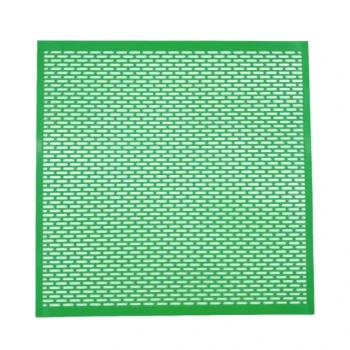
A plastic excluder, by contrast, can become a liability. The constant heat and weight can cause it to bow, violating bee space and triggering the bees' impulse to build. The result is a mess of burr comb that glues the excluder to the frames below, turning a simple hive check into a destructive and time-consuming chore.
Hygiene as a System, Not an Act
In a commercial apiary, hygiene is not about being tidy. It is a system of biosecurity designed to prevent catastrophic losses from diseases like American Foulbrood (AFB).
Pathogen spores can persist for decades on equipment. Simply washing a tool is not enough. True biosecurity requires sterilization.
The Unforgiving Logic of Sterilization
This is where the material science becomes critical. Metal can be scraped clean of wax and propolis, then sterilized with a blowtorch. The intense heat incinerates any lingering spores, rendering the equipment biologically safe for reuse. It's a simple, brutally effective process.
Plastic cannot withstand this. It melts under a flame and can degrade with chemical treatments. This makes it a potential vector for disease, a weak link in an otherwise robust biosecurity system. For large-scale operations where equipment is constantly rotated between hives, this difference is not trivial—it's essential.
The Commercial Operator's Calculus
For hobbyists, the choice is a matter of preference. For commercial apiaries, it's a matter of mathematics. Every decision is weighed against its impact on labor, yield, and long-term asset value.
| Factor | Metal Queen Excluder | Plastic Queen Excluder |
|---|---|---|
| Longevity | Decades; a one-time purchase. | 2-5 seasons; a recurring expense. |
| Labor Impact | Minimal cleaning; no burr comb removal. | Increased time for cleaning and prying apart boxes. |
| Biosecurity | Fully sterilizable with heat. | Cannot be heat-sterilized; higher risk of disease spread. |
| Yield Integrity | Ensures brood-free honey supers. | Risk of warping leads to brood in honey frames. |
| Lifetime ROI | High. Initial cost is offset by durability and efficiency gains. | Low. Frequent replacement and hidden labor costs erode value. |
For operations managing hundreds or thousands of hives, these aren't minor considerations; they are core business metrics. This is why professional apiaries and distributors rely on wholesale suppliers like HONESTBEE for equipment engineered to meet these demanding standards. Our metal queen excluders are built not just to last, but to enhance the predictability and profitability of your entire operation.
An apiary is a complex system. The queen excluder is a small component, but like a single gear in a fine watch, its integrity determines the performance of the whole machine. Choosing metal is an investment in a smoother, more reliable, and ultimately more successful system.
For commercial-grade equipment engineered to eliminate variables and enhance your operational efficiency, Contact Our Experts.
Visual Guide
Related Products
- Premium Wood Framed Metal Wire Queen Bee Excluder
- Metal Queen Bee Excluder for Beekeeping
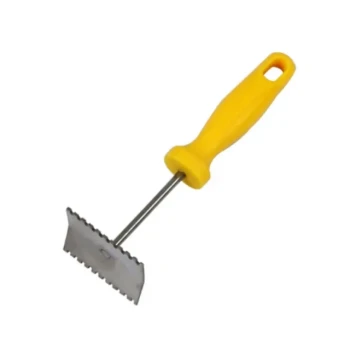
- Stainless Steel Scraper for Metal Queen Bee Excluders
- Professional Dual Action Queen Excluder Scraper for Beekeeping
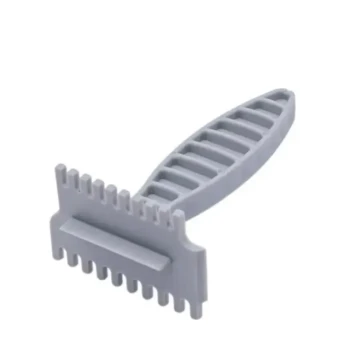
- Lightweight Durable Plastic Queen Excluder Scraper for Beekeeping
Related Articles
- How to Choose the Best Queen Excluder: Balancing Durability, Cost, and Bee Welfare
- A Calculated Intervention: The Precise Art of Placing a Queen Excluder
- How to Choose Queen Excluder Materials for Healthier Hives and Higher Yields
- How to Optimize Queen Excluders for Healthier Bees and Better Honey Harvests
- How to Choose Queen Excluders Based on Colony Behavior and Queen Traits