Beekeepers face a critical decision when selecting queen excluder materials: metal or plastic. Each impacts colony productivity, equipment longevity, and operational costs differently. This guide analyzes thermal properties, bee behavior responses, and real-world durability to help you optimize hive performance.
Queen Excluder Materials Decoded
Thermal Dynamics: How Metal Conductivity Shapes Brood Development
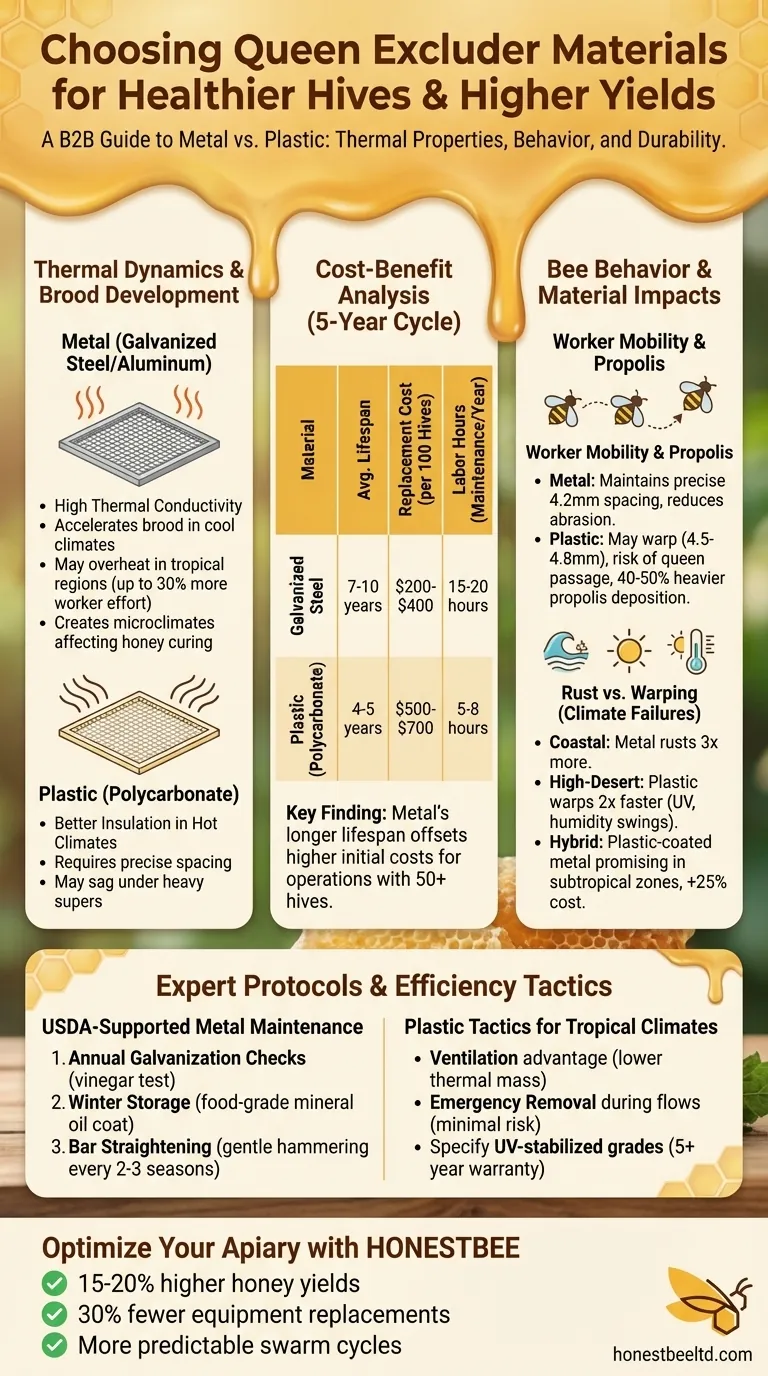
Metal excluders (typically galvanized steel or aluminum) conduct ambient temperature more effectively than plastic. Research shows this thermal transfer:
- Accelerates brood development in cooler climates by maintaining consistent hive temperatures
- May overheat larvae in tropical regions, increasing worker bee cooling efforts by up to 30%
- Creates microclimates where metal bars contact comb, potentially altering honey curing rates
Plastic excluders insulate better in hot climates but require precise spacing to prevent sagging under heavy honey supers.
Cost-Benefit Analysis Over 5-Year Beekeeping Cycles
A comparative study of commercial apiaries revealed:
| Material | Avg. Lifespan | Replacement Cost per 100 Hives | Labor Hours for Maintenance |
|---|---|---|---|
| Galvanized Steel | 7-10 years | $200-$400 | 15-20 hours annually |
| Plastic (Polycarbonate) | 4-5 years | $500-$700 | 5-8 hours annually |
Key finding: Metal’s longer lifespan offsets higher initial costs for operations with 50+ hives.
Material Impacts on Bee Behavior
Worker Mobility Differences: Metal vs Plastic Bar Spacing
Bees navigate excluders differently based on material rigidity:
- Metal excluders maintain precise 4.2mm spacing longer, reducing worker bee abrasion
- Plastic excluders may warp to 4.5-4.8mm in humidity, allowing younger workers to pass but risking queen movement
- Propolis deposition is 40-50% heavier on plastic surfaces, requiring more frequent scraping
Rust vs Warping: Climate-Driven Failure Case Studies
- Coastal apiaries using metal excluders reported 3x more rust-related replacements versus inland operations
- High-desert beekeepers found plastic warped 2x faster due to UV exposure and 20% humidity swings
- Hybrid solutions (plastic-coated metal) showed promise in humid subtropical zones but increased costs by 25%
Expert Protocols for Maximum Efficiency
USDA-Supported Maintenance Routines for Metal Excluders
- Annual galvanization checks: Use vinegar solution to test coating integrity—bubbles indicate rust risk
- Winter storage: Coat with food-grade mineral oil to prevent condensation damage
- Bar straightening: Gently hammer bent sections every 2-3 seasons to maintain bee spacing
Swarm Prevention Tactics Using Plastic Excluders in Tropical Climates
- Ventilation advantage: Plastic’s lower thermal mass reduces heat buildup in stacked supers
- Emergency removal: During nectar flows, temporarily removing plastic excluders can ease congestion with minimal queen escape risk
- UV-stabilized grades: Specify polycarbonate with 5+ year UV warranties for tropical sun exposure
Optimize Your Apiary’s Performance with HONESTBEE
Choosing the right excluder material isn’t just about equipment—it’s about supporting your bees’ natural rhythms while controlling costs. HONESTBEE’s wholesale beekeeping supplies offer climate-appropriate solutions, from corrosion-resistant metal excluders for wet regions to warp-proof plastic designs for intense sun.
Beekeepers who analyze these factors typically see:
✔ 15-20% higher honey yields from reduced bee stress
✔ 30% fewer equipment replacements over 5 years
✔ More predictable swarm cycles
Ready to upgrade your operation? Explore HONESTBEE’s bulk excluder options tailored for commercial-scale productivity.
Products You Might Be Looking For:
Explore wooden queen excluders
Browse wholesale plastic hive excluders
Visual Guide
Related Products
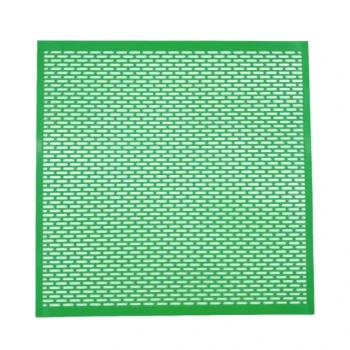
- High Performance Plastic Queen Excluder for Beekeeping and Apiary Management
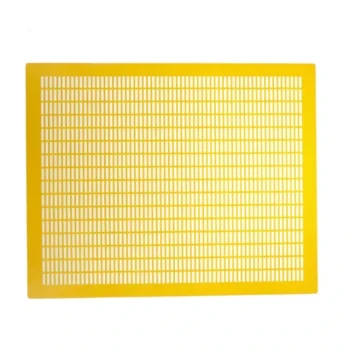
- Professional Plastic Queen Excluder for Modern Beekeeping
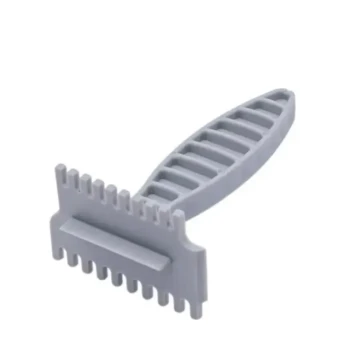
- Lightweight Durable Plastic Queen Excluder Scraper for Beekeeping
- Metal Queen Bee Excluder for Beekeeping
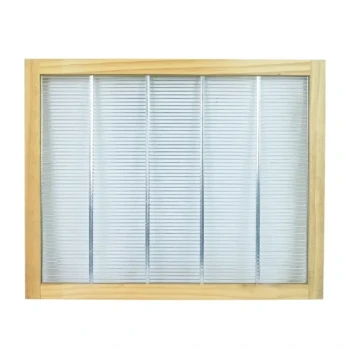
- Premium Wood Framed Metal Wire Queen Bee Excluder
Related Articles
- How Plastic Queen Excluders Improve Hive Longevity and Colony Health
- Plastic Queen Excluders vs. Alternatives: A Beekeeper’s Guide to Smarter Hive Management
- Why Plastic Queen Excluders Outperform Metal and Wood: Science, Savings, and Hive Protection
- How to Choose Queen Excluders Based on Colony Behavior and Queen Traits
- The Geometry of Order: Why the Queen Excluder is a Beekeeper's Most Strategic Tool