Beekeepers face a critical decision when implementing queen excluders: balancing honey production with colony health. This guide synthesizes behavioral science and queen genetics into a practical framework, helping you make informed excluder choices tailored to your hive’s unique needs.
Queen Excluder Decisions: Balancing Honey Production and Colony Health
Queen excluders can boost honey yields by restricting the queen’s access to honey supers, but their effectiveness depends on colony-specific factors. Research shows that mismatched excluder use—such as applying them to colonies with prolific brood production—can stress bees and reduce efficiency.
Assessing Queen Origin and Brood Patterns
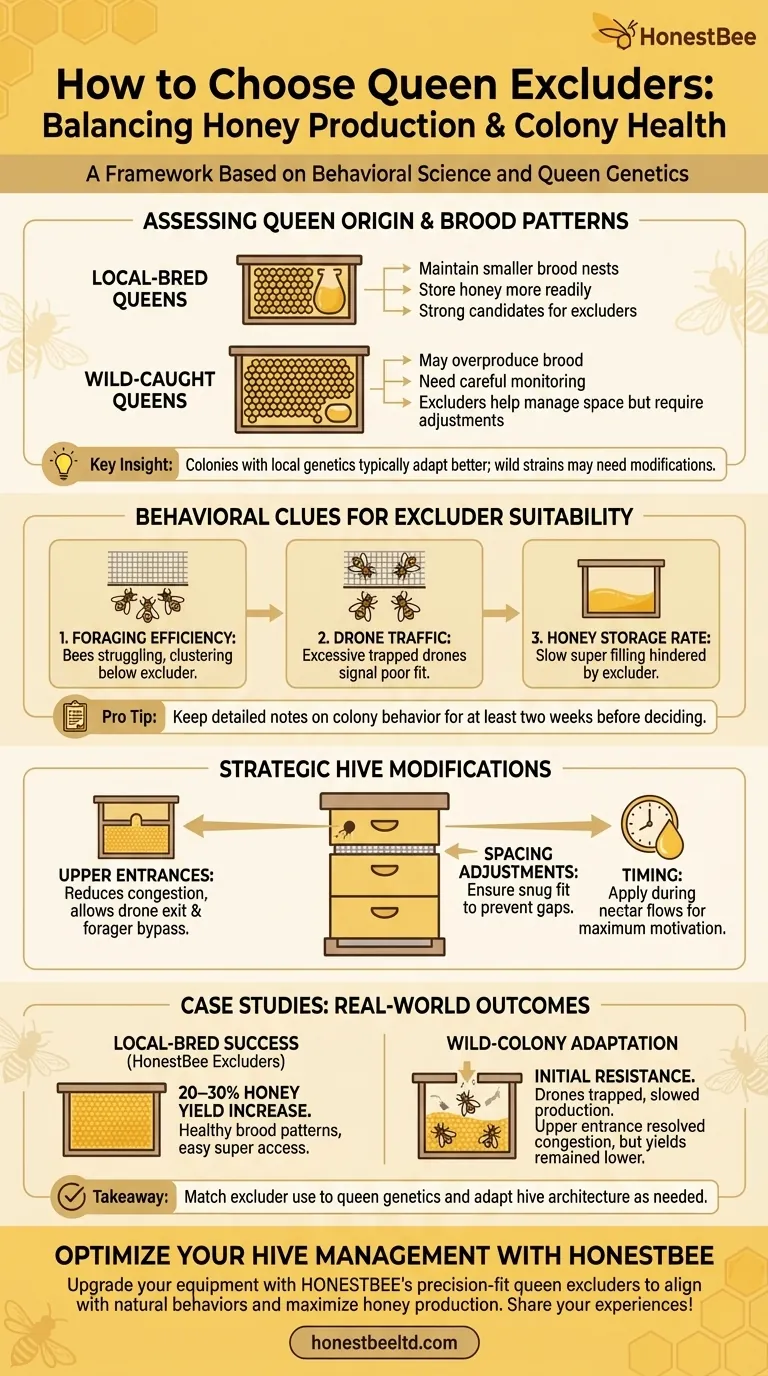
- Local-bred queens often maintain smaller brood nests and store honey more readily, making them strong candidates for excluders.
- Wild-caught queens may overproduce brood, requiring careful monitoring; excluders can help manage space but may need supplemental hive adjustments.
- Brood pattern analysis: Consistent, compact brood frames suggest a queen well-suited to excluders, while erratic patterns indicate potential challenges.
Key Insight: Colonies with local genetics typically adapt better to excluders, while wild strains may need modifications like upper entrances (discussed below).
Behavioral Clues for Excluder Suitability
Monitor these hive behaviors before installing an excluder:
- Foraging efficiency: Bees struggling to navigate the excluder may cluster below it, reducing honey storage.
- Drone traffic: Excessive trapped drones signal poor excluder fit.
- Honey storage rate: Slow super filling suggests the excluder is hindering worker movement.
Pro Tip: Keep detailed notes on colony behavior for at least two weeks before deciding.
Strategic Hive Modifications to Support Excluder Use
- Upper entrances: Installing an entrance above the excluder reduces congestion, allowing drones to exit and foragers to bypass the excluder when empty-handed.
- Spacing adjustments: Ensure excluders fit snugly to prevent gaps that queens or drones might exploit.
- Timing: Apply excluders during nectar flows when colonies are most motivated to store honey.
Case Studies: Local vs. Wild Colonies in Excluder Scenarios
Local-Bred Queen Success
A beekeeper using HONESTBEE excluders reported a 20–30% honey yield increase in hives with local queens. The colonies maintained healthy brood patterns, and workers readily accessed supers.
Wild-Colony Adaptation
Another beekeeper observed wild-caught colonies resisting excluders, with drones trapped below and slowed honey production. Adding an upper entrance resolved congestion, though honey yields remained lower than local-queen hives.
Takeaway: Match excluder use to queen genetics and adapt hive architecture as needed.
Optimize Your Hive Management with HONESTBEE
Whether you’re a commercial apiary or a distributor, HONESTBEE’s beekeeping supplies—including precision-fit queen excluders—are designed to support data-driven decisions. Upgrade your equipment today to align with your colonies’ natural behaviors and maximize honey production.
Final Tip: Share your excluder experiences with fellow beekeepers to refine best practices industry-wide.
Visual Guide
Related Products
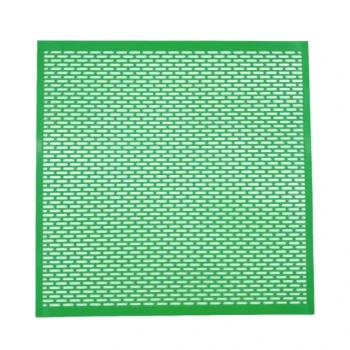
- High Performance Plastic Queen Excluder for Beekeeping and Apiary Management
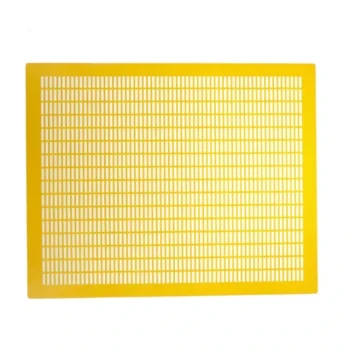
- Professional Plastic Queen Excluder for Modern Beekeeping
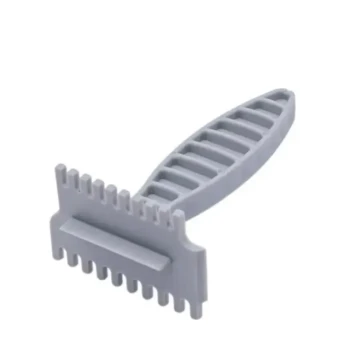
- Lightweight Durable Plastic Queen Excluder Scraper for Beekeeping
- Metal Queen Bee Excluder for Beekeeping
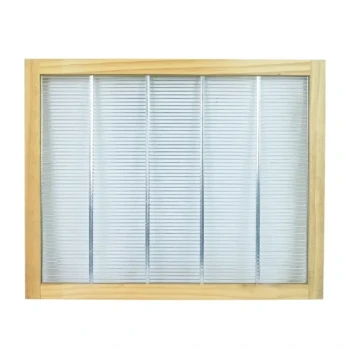
- Premium Wood Framed Metal Wire Queen Bee Excluder
Related Articles
- How Plastic Queen Excluders Improve Hive Longevity and Colony Health
- Plastic Queen Excluders vs. Alternatives: A Beekeeper’s Guide to Smarter Hive Management
- Why Plastic Queen Excluders Outperform Metal and Wood: Science, Savings, and Hive Protection
- The Geometry of Order: Why the Queen Excluder is a Beekeeper's Most Strategic Tool
- How to Optimize Queen Excluders for Healthier Bees and Better Honey Harvests