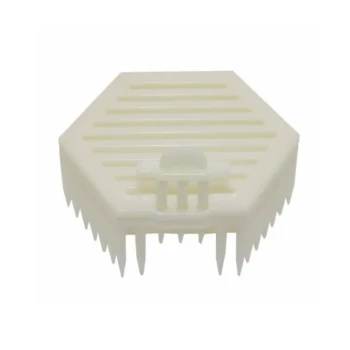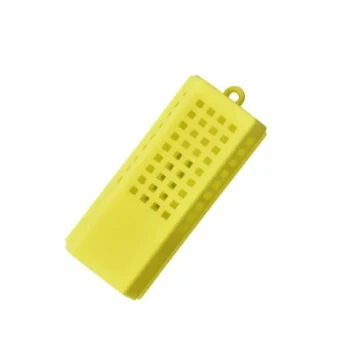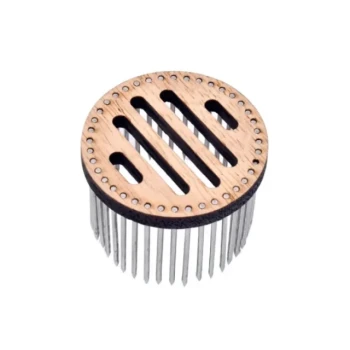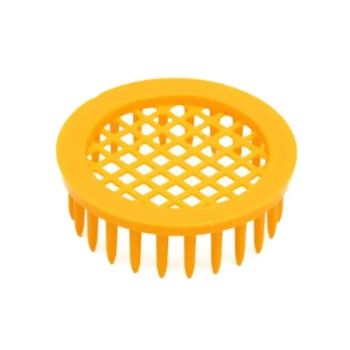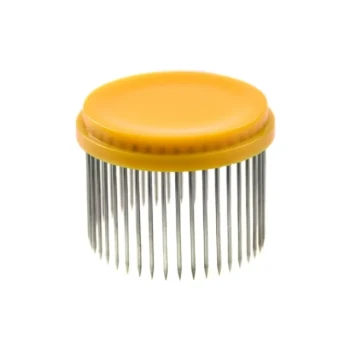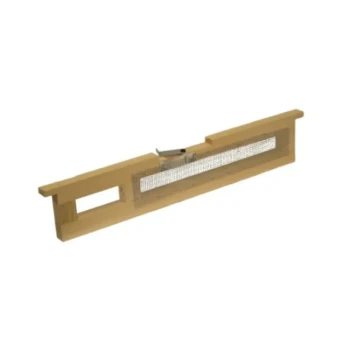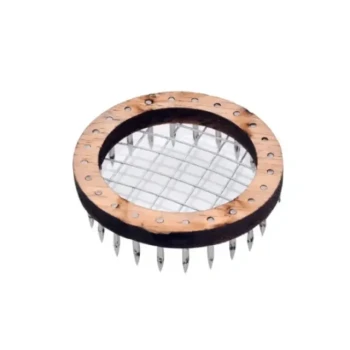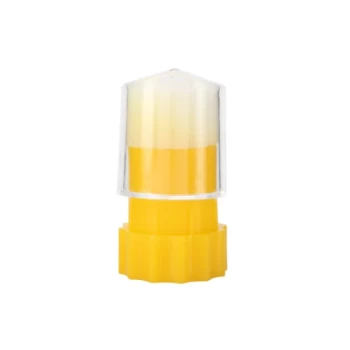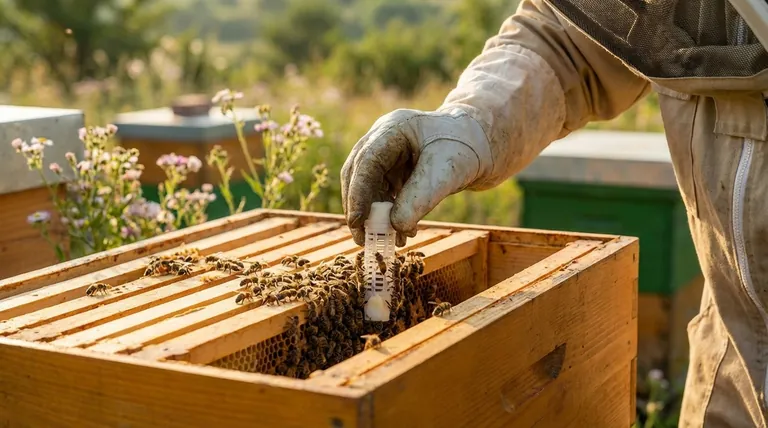
Successful queen introduction isn't just about placing a cage in the hive—it's about understanding the biological and behavioral dynamics that determine colony acceptance. This guide explores the science behind queen acclimation, common pitfalls, and actionable strategies to improve success rates.
Installing Queen Cages: Beyond Basic Placement
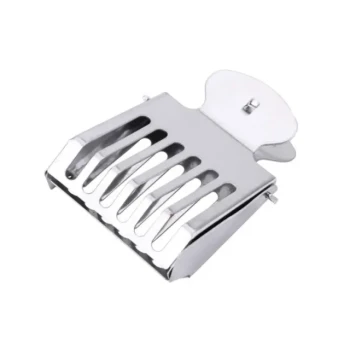
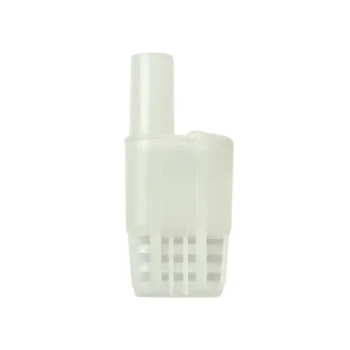
Queen cages aren’t just protective containers; they’re tools for pheromone acclimation. Worker bees need time to recognize the new queen’s scent as part of their colony’s identity. Research shows that rushed introductions lead to higher rejection rates.
The Role of Candy Plugs in Pheromone Acclimation
Candy plugs serve two critical functions:
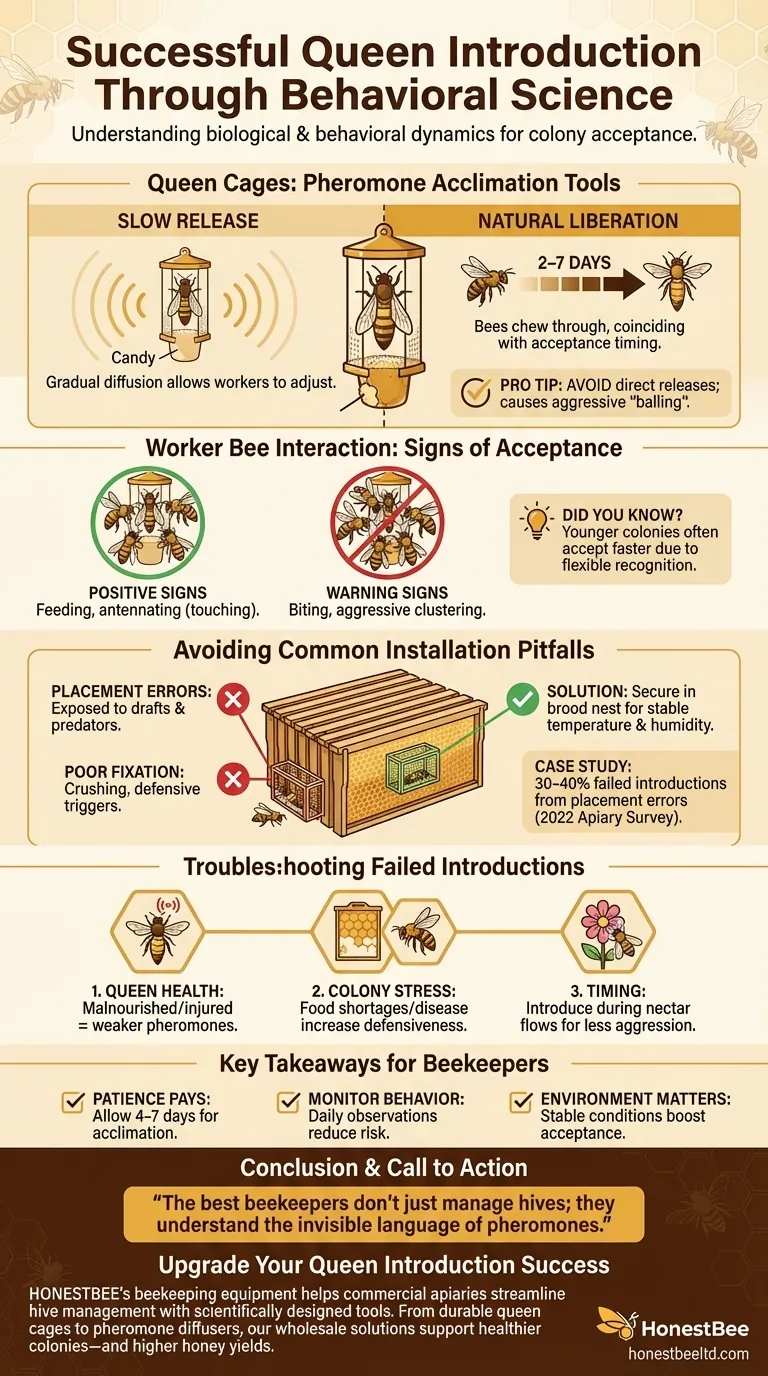
- Slow Release: The queen’s pheromones diffuse gradually, allowing workers to adjust.
- Natural Liberation: Bees chew through the plug over 2–7 days, coinciding with acceptance timing.
Pro Tip: Avoid substituting candy plugs with direct releases—studies link this to aggressive "balling" behavior.
How Worker Bee Interaction Determines Queen Acceptance
Watch for these behavioral cues during acclimation:
- Positive Signs: Workers feeding the queen through the cage or antennating (touching her with antennae).
- Warning Signs: Biting the cage or clustering aggressively around it.
Did You Know? Colonies with younger worker bees often accept new queens faster due to their flexible pheromone recognition.
Avoiding Common Installation Pitfalls
Case Study: Colony Collapse from Improper Cage Securing
A 2022 apiary survey found that 30–40% of failed introductions stemmed from:
- Placement Errors: Cages near hive entrances exposed queens to drafts and predator threats.
- Poor Fixation: Loose cages can crush the queen or trigger defensive behavior.
Solution: Secure cages between frames in the brood nest, where temperature and humidity stabilize pheromone dispersion.
Troubleshooting Failed Queen Introductions
If workers reject the queen, assess these factors:
- Queen Health: A malnourished or injured queen emits weaker pheromones.
- Colony Stress: Hives facing food shortages or disease are more defensive.
- Timing: Introduce queens during nectar flows, when colonies are least aggressive.
Key Takeaways for Beekeepers
- Patience Pays: Allow 4–7 days for pheromone acclimation before manual release checks.
- Monitor Behavior: Daily observations reduce risks of unnoticed rejection.
- Environment Matters: Stable hive conditions boost acceptance rates.
Upgrade Your Queen Introduction Success
HONESTBEE’s beekeeping equipment helps commercial apiaries streamline hive management with scientifically designed tools. From durable queen cages to pheromone diffusers, our wholesale solutions support healthier colonies—and higher honey yields.
"The best beekeepers don’t just manage hives; they understand the invisible language of pheromones."
Visual Guide
Related Products
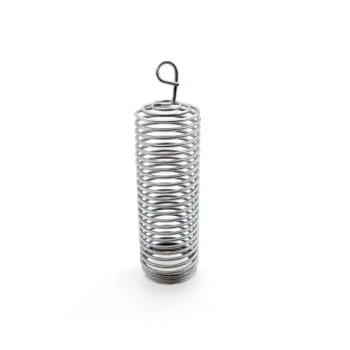
- Durable Galvanized Steel Spring Queen Bee Cage
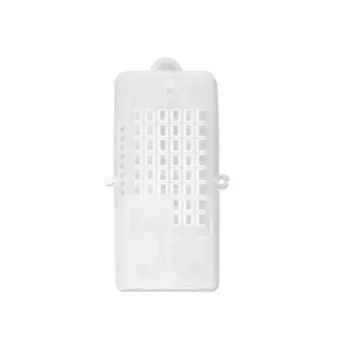
- Professional Queen Bee Introduction and Transport Cage
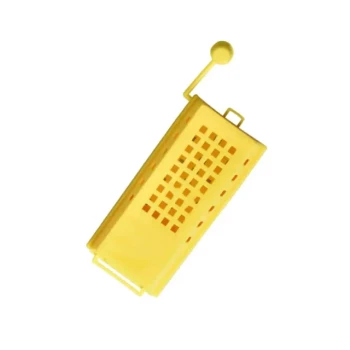
- Professional Multi-Functional Queen Bee Cage
- Professional Queen Cage with Sliding Gate and Feeder Plug
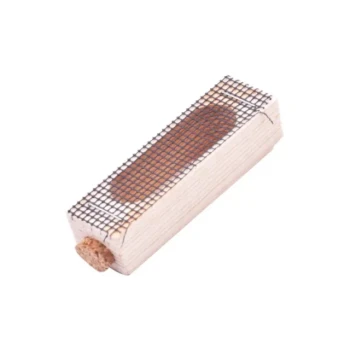
- Classic Wooden and Mesh California Queen Cage
Related Articles
- An Engineered Truce: The Psychology of the Queen Cage
- Maximizing Queen Cage Value: A Beekeeper's Guide to Safe Reuse & Long-Term Savings
- A Timed Release of Power: The Social Engineering of the Queen Cage
- The Queen Cage's Ledger: A Systems Approach to Apiary Biosecurity
- The Diplomatic Interface: Why Queen Cage Maintenance is a Study in Risk Management