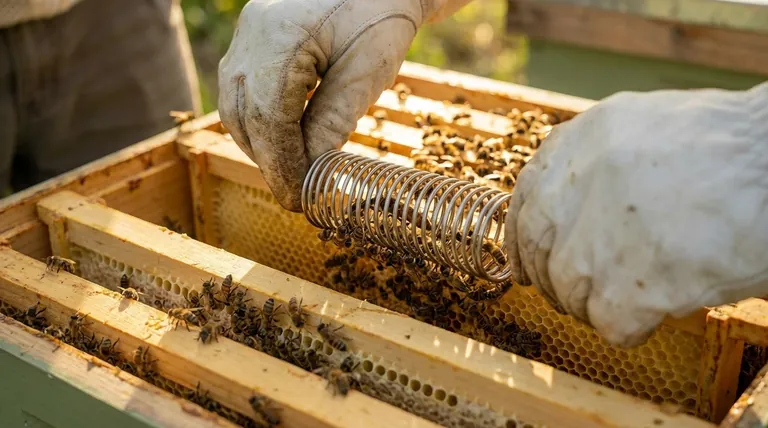
Mastering queen introduction is critical for hive health and productivity. Whether you're managing commercial apiaries or supporting hobbyists, proper techniques prevent colony rejection and ensure smooth transitions. This guide covers proven methods, cage types, and troubleshooting—equipping you with actionable strategies for every scenario.
Understanding Queen Cages in Beekeeping
The Role of Queen Cages in Hive Management
Queen cages temporarily isolate the queen while allowing worker bees to acclimate to her pheromones. Research shows this gradual introduction reduces aggression, as bees recognize the queen as their own before direct contact. Key functions include:
- Pheromone Integration: Workers adapt to the queen’s scent through the cage mesh.
- Safety During Transport: Cages protect queens from physical harm.
- Controlled Release: Beekeepers dictate when the queen joins the colony.
Types of Queen Cages and Their Applications
-
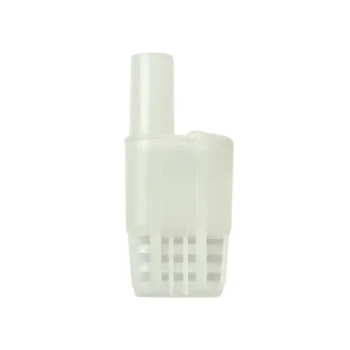
Candy-Plug Cages:
- Workers slowly eat through a sugar plug to release the queen (typically 2–3 days).
- Ideal for gentle colonies with low rejection rates.
-
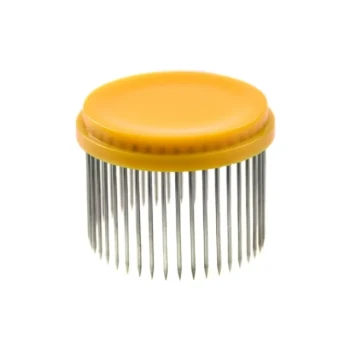
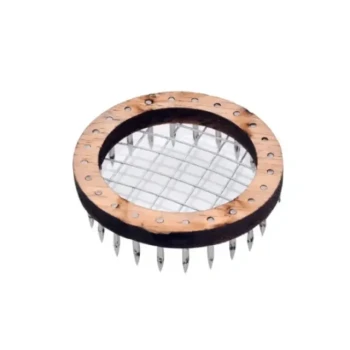
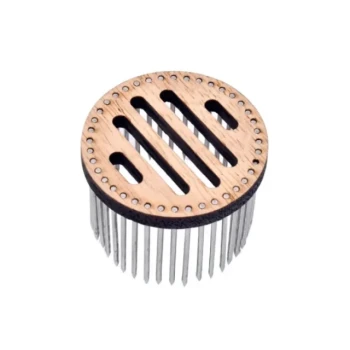
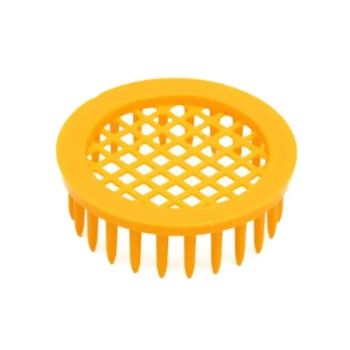
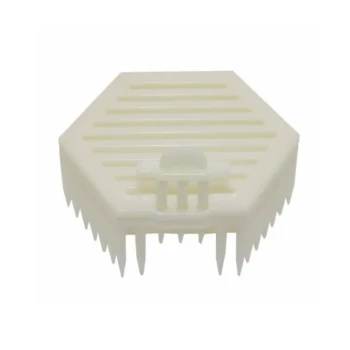
Push-In Cages:
- Allow the queen to lay eggs while confined, boosting acceptance.
- Best for defensive hives or requeening established colonies.
Pro Tip: Push-in cages mimic natural queen behavior, making them favored by commercial apiaries for higher success rates.
Step-by-Step Guide to Queen Introduction
Preparing the Hive and Cage for Success
-
Assess Colony Readiness:
- Ensure the hive is queenless for at least 4–6 hours to reduce competition.
- For defensive hives, introduce the cage near brood frames where bees are calmer.
-
Cage Placement:
- Suspend candy-plug cages between frames.
- Secure push-in cages directly over drawn comb.
-
Add Attendant Bees:
- Include 3–5 nurse bees in the cage to care for the queen.
Monitoring Acceptance and Releasing the Queen
- Days 1–2: Check for worker bees feeding the queen through the mesh—a sign of acceptance.
- Day 3: If bees are calm, remove the cork or candy plug.
- Post-Release: Monitor egg-laying within 48 hours to confirm success.
Warning: Aggressive bees clustering around the cage signal rejection. Delay release and reassess hive conditions.
Common Challenges and Expert Solutions
Avoiding Rejection: Signs and Interventions
- Pheromone Conflicts: Requeen hives during nectar flows when bees are less defensive.
- Improper Timing: Avoid introducing queens during robbing or drought conditions.
- Cage Misuse: Never leave queens caged beyond 5 days; stress reduces fertility.
Case Study: Recovering a Queenless Colony
A commercial apiary using HONESTBEE push-in cages salvaged a queenless hive by:
- Installing the cage over fresh comb to encourage egg-laying.
- Spraying the cage and bees with sugar syrup to mask foreign pheromones.
- Releasing the queen after 72 hours, resulting in 90% acceptance.
Elevate Your Beekeeping with the Right Tools
Queen introduction doesn’t have to be guesswork. With HONESTBEE’s durable cages and wholesale beekeeping supplies, distributors and apiaries gain reliable, research-backed equipment designed for high-volume success.
Ready to optimize your hive management? Explore HONESTBEE’s beekeeping solutions—where innovation meets practicality for thriving colonies.
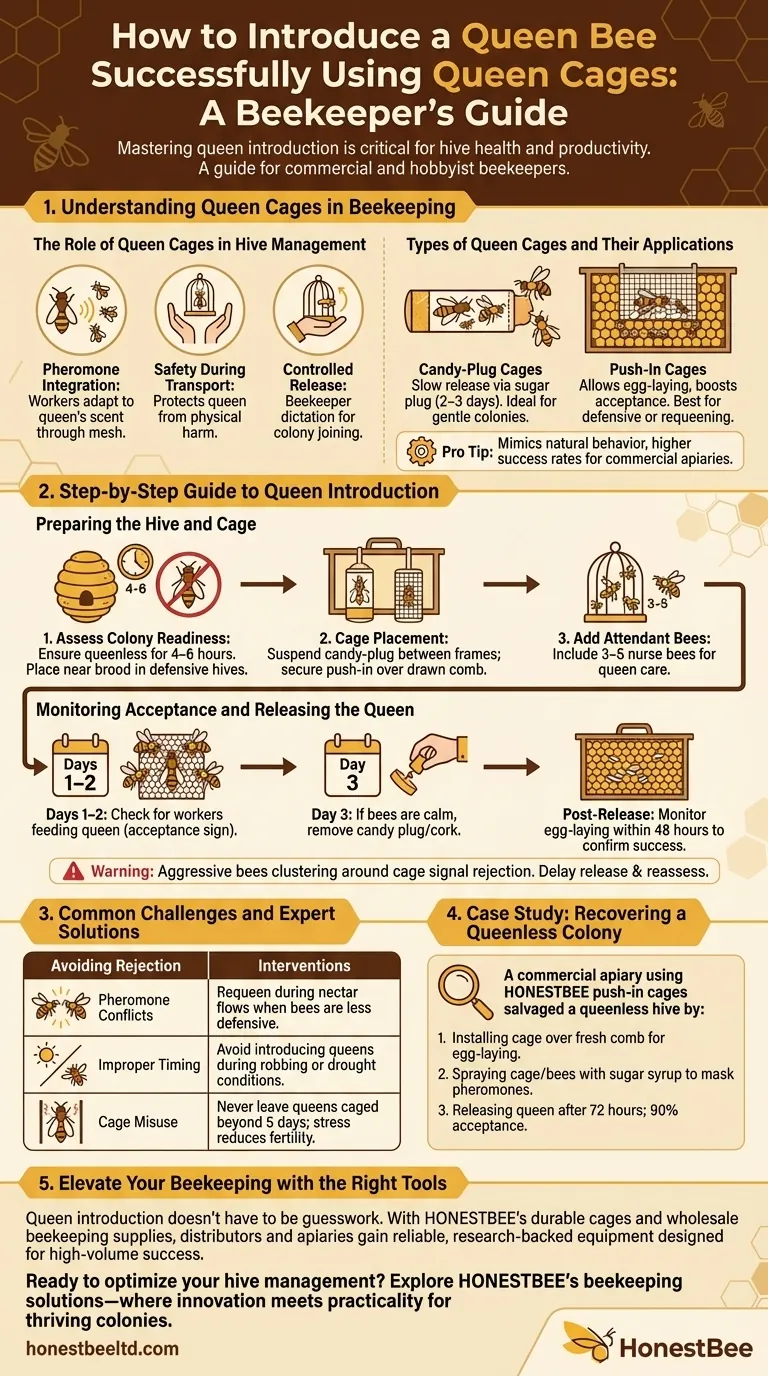
Visual Guide
Related Products
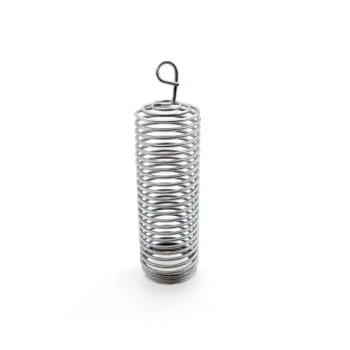
- Durable Galvanized Steel Spring Queen Bee Cage
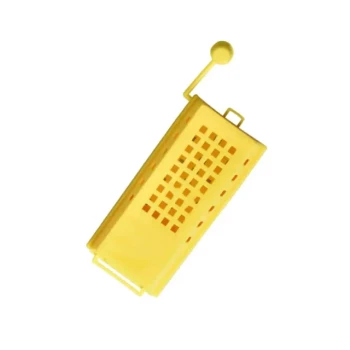
- Professional Queen Cage with Sliding Gate and Feeder Plug
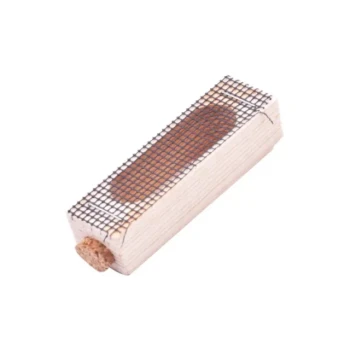
- Classic Wooden and Mesh California Queen Cage
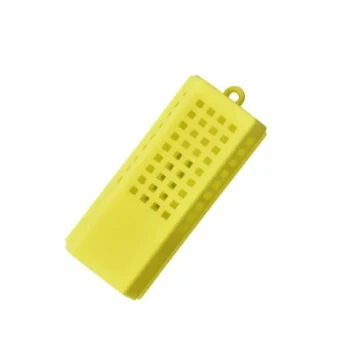
- Professional Queen Bee Introduction and Transport Cage
- Professional Multi-Functional Queen Bee Cage
Related Articles
- An Engineered Truce: The Psychology of the Queen Cage
- Maximizing Queen Cage Value: A Beekeeper's Guide to Safe Reuse & Long-Term Savings
- A Timed Release of Power: The Social Engineering of the Queen Cage
- The Queen Cage's Ledger: A Systems Approach to Apiary Biosecurity
- The Diplomatic Interface: Why Queen Cage Maintenance is a Study in Risk Management