The Decision Point on the Hive Mat
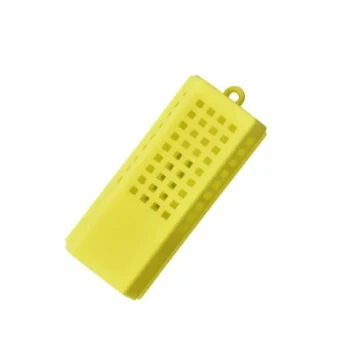
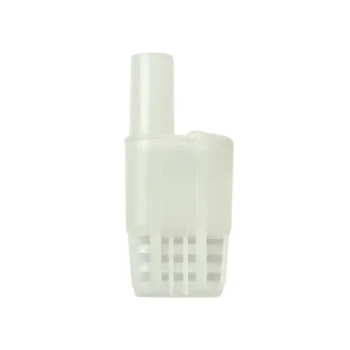
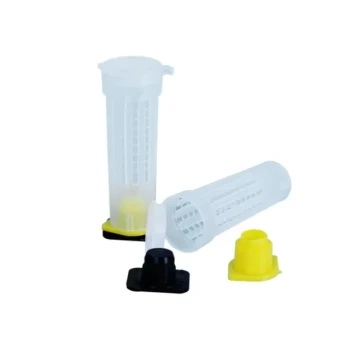
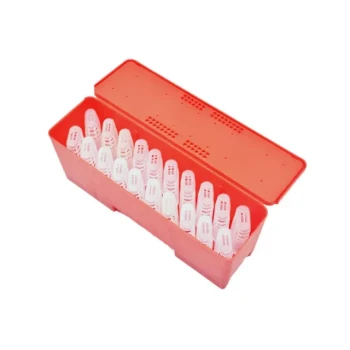
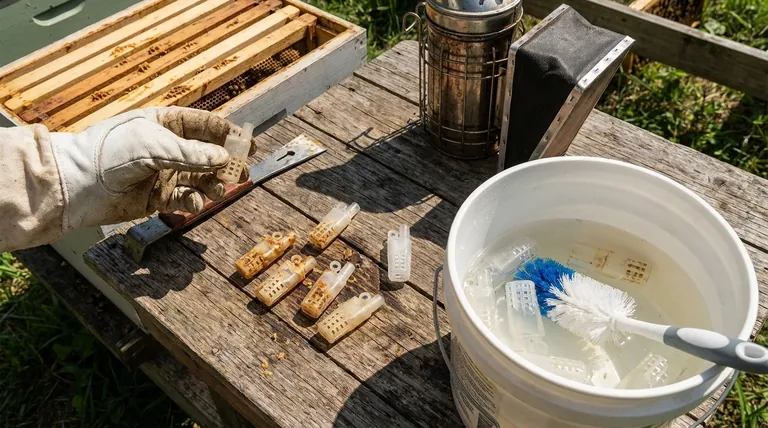
Imagine a beekeeper at the end of a long day. On the workbench sits a small pile of used plastic queen cages—humble, inexpensive, and seemingly insignificant.
The immediate, rational thought is to save them. Tossing them feels wasteful, and the cost of new ones, though small individually, adds up. It’s a simple calculation of cost versus convenience.
But this small piece of plastic is a decision point with disproportionate consequences. It represents a classic psychological trap: the visible, immediate gain (a few dollars saved) weighed against an invisible, delayed risk (a potential colony collapse).
This isn't just about cleaning plastic; it's about managing a complex biological system where the smallest oversight can introduce catastrophic failure.
The Allure of the Second Use
For any beekeeper, and especially for commercial apiaries, efficiency is a core principle. Reusing equipment isn't just about frugality; it's about intelligent resource management.
The Logic of Cost and Waste
Queen cages are a recurring operational expense. Reusing them directly impacts the bottom line, freeing up capital for other critical investments. In a world increasingly conscious of its environmental footprint, minimizing plastic waste is also a responsible, sustainable practice.
These are the obvious, compelling reasons that place the practice of reuse firmly in the realm of common sense.
The Invisible Ledger of Risk
The problem is that a used queen cage carries an invisible history. Its past life can haunt the new colony if its ledger is not wiped completely clean.
A Vector in Plain Sight
An improperly cleaned cage is a perfect vector for disease. It can carry microscopic spores of devastating pathogens like American Foulbrood (AFB) from a contaminated hive to a healthy one.
Think of it like a surgeon reusing a scalpel without sterilization. The tool itself is sound, but its contamination makes it a weapon. A single reused cage can negate years of careful hive management.
The Scent of a Ghost
Beyond pathogens, a cage retains the specific pheromones of the previous queen and her colony. Bees communicate through a complex chemical language, and introducing a new queen in a cage that smells of a foreign predecessor creates a dangerous confusion.
This lingering "scent of a ghost" can undermine the workers' acceptance of their new queen, leading to slow release, aggression, or outright rejection. The failure is not with the queen, but with the contaminated environment she was introduced in.
The Protocol as a System Firewall
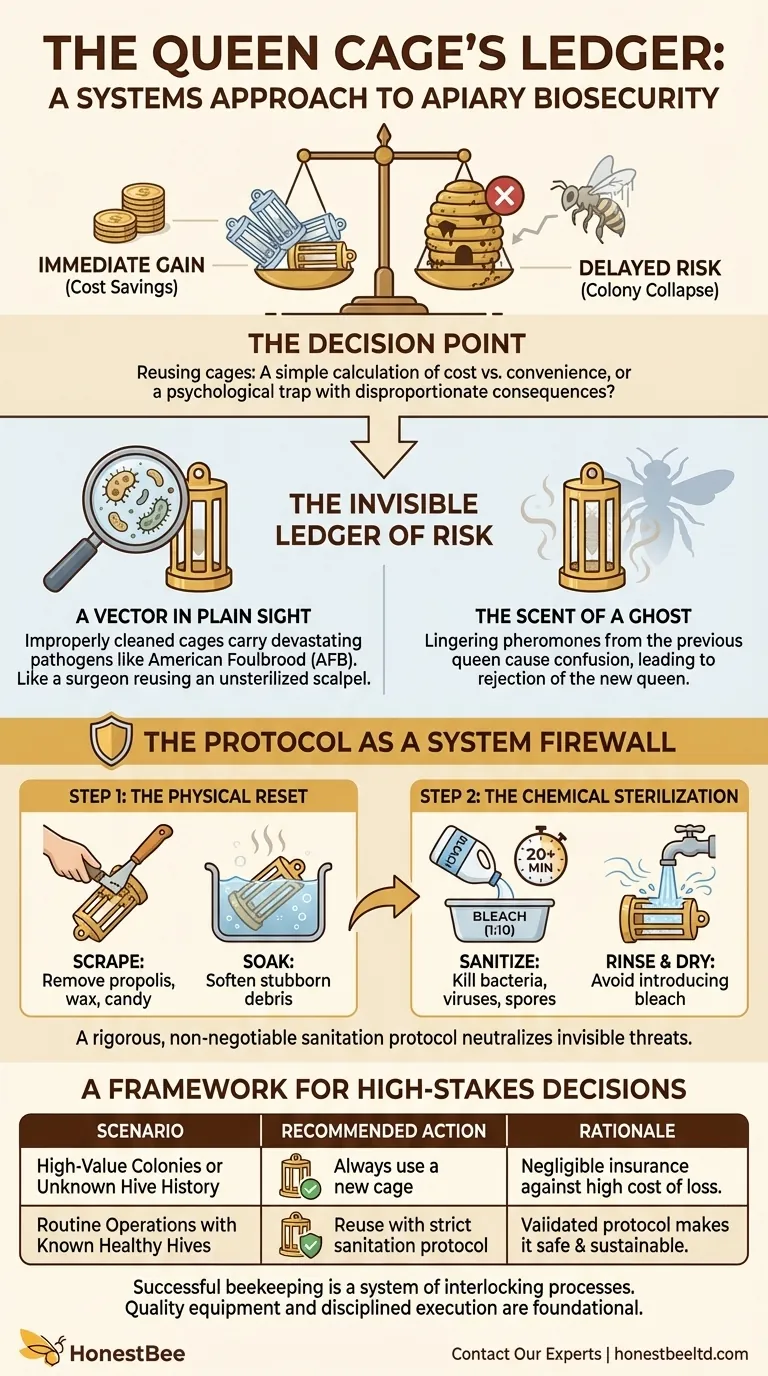
The tension between efficiency and risk is resolved not by avoiding reuse, but by mastering the process that makes it safe. A rigorous, non-negotiable sanitation protocol acts as a firewall, neutralizing the invisible threats.
It’s a simple procedure, but its power lies in its disciplined execution.
Step 1: The Physical Reset
First, you must erase all physical traces of the cage's past.
- Scrape: Use a hive tool to meticulously remove every speck of propolis, wax, and leftover candy plug.
- Soak: Submerging the cages in hot water will soften stubborn debris, especially in the hard-to-reach mesh areas.
This stage is about returning the object to its raw, neutral state.
Step 2: The Chemical Sterilization
This is the most critical step, as it targets the microscopic enemies.
- Sanitize: Soak the cleaned cages in a 1:10 bleach-to-water solution for a minimum of 20 minutes. This chemical bath kills bacteria, viruses, and fungal spores.
- Rinse and Dry: After soaking, rinse the cages thoroughly with clean water and let them air dry completely. This final rinse is crucial to avoid introducing bleach into the hive environment.
This two-step process isn't just "washing." It is a biosecurity protocol.
A Framework for High-Stakes Decisions
The choice to reuse a cage should be a conscious one, guided by your operational context.
| Scenario | Recommended Action | Rationale |
|---|---|---|
| High-Value Colonies or Unknown Hive History | Always use a new cage. | The low cost of a new cage is negligible insurance against the high cost of losing a valuable queen or introducing disease. |
| Routine Operations with Known Healthy Hives | Reuse with a strict sanitation protocol. | A validated protocol makes reuse a safe, cost-effective, and sustainable strategy for managing healthy apiaries. |
For large-scale commercial apiaries, where these protocols are executed daily, the quality of the equipment itself becomes part of the system. Cages made from durable, non-porous plastic and designed with fewer nooks and crannies are inherently easier to clean, making your biosecurity firewall stronger and more reliable.
The humble queen cage teaches us a valuable lesson: successful beekeeping is a system of interlocking processes. The strength of that system depends on the quality of its components and the discipline of its operator. For commercial operations built on reliability and scale, sourcing high-quality, easily sanitized equipment isn't a luxury—it's foundational.
To ensure your operational protocols are built on a foundation of reliable and durable equipment, Contact Our Experts
Visual Guide
Related Products
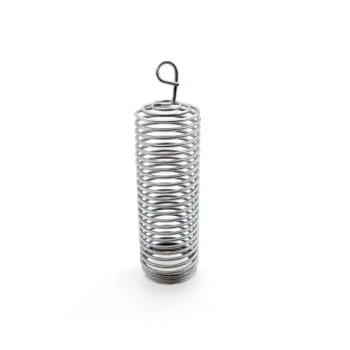
- Durable Galvanized Steel Spring Queen Bee Cage
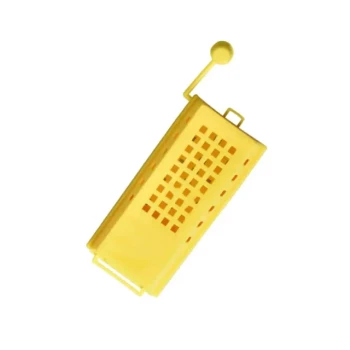
- Professional Queen Cage with Sliding Gate and Feeder Plug
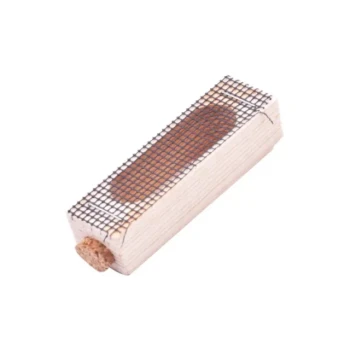
- Classic Wooden and Mesh California Queen Cage
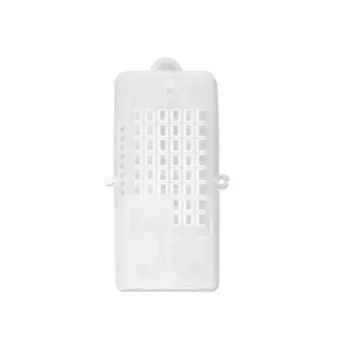
- Professional Queen Bee Introduction and Transport Cage
- Professional Multi-Functional Queen Bee Cage
Related Articles
- An Engineered Truce: The Psychology of the Queen Cage
- Maximizing Queen Cage Value: A Beekeeper's Guide to Safe Reuse & Long-Term Savings
- A Timed Release of Power: The Social Engineering of the Queen Cage
- The Diplomatic Interface: Why Queen Cage Maintenance is a Study in Risk Management
- How to Introduce a Queen Bee Successfully Using Queen Cages: A Beekeeper’s Guide