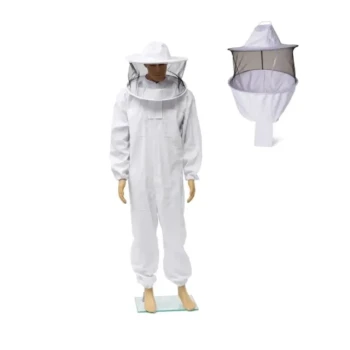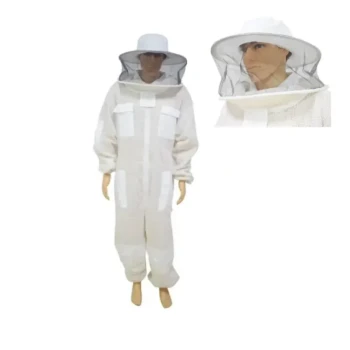
For commercial beekeepers, every second counts during hive inspections—and so does every sting avoided. The strategic design of pockets in beekeeping suits isn’t just about storage; it’s a critical factor in maintaining workflow efficiency and minimizing venom exposure. This article breaks down how ergonomic pocket engineering directly impacts apiary operations, from tool accessibility to emergency readiness.
The Functional Anatomy of a Beekeeping Suit
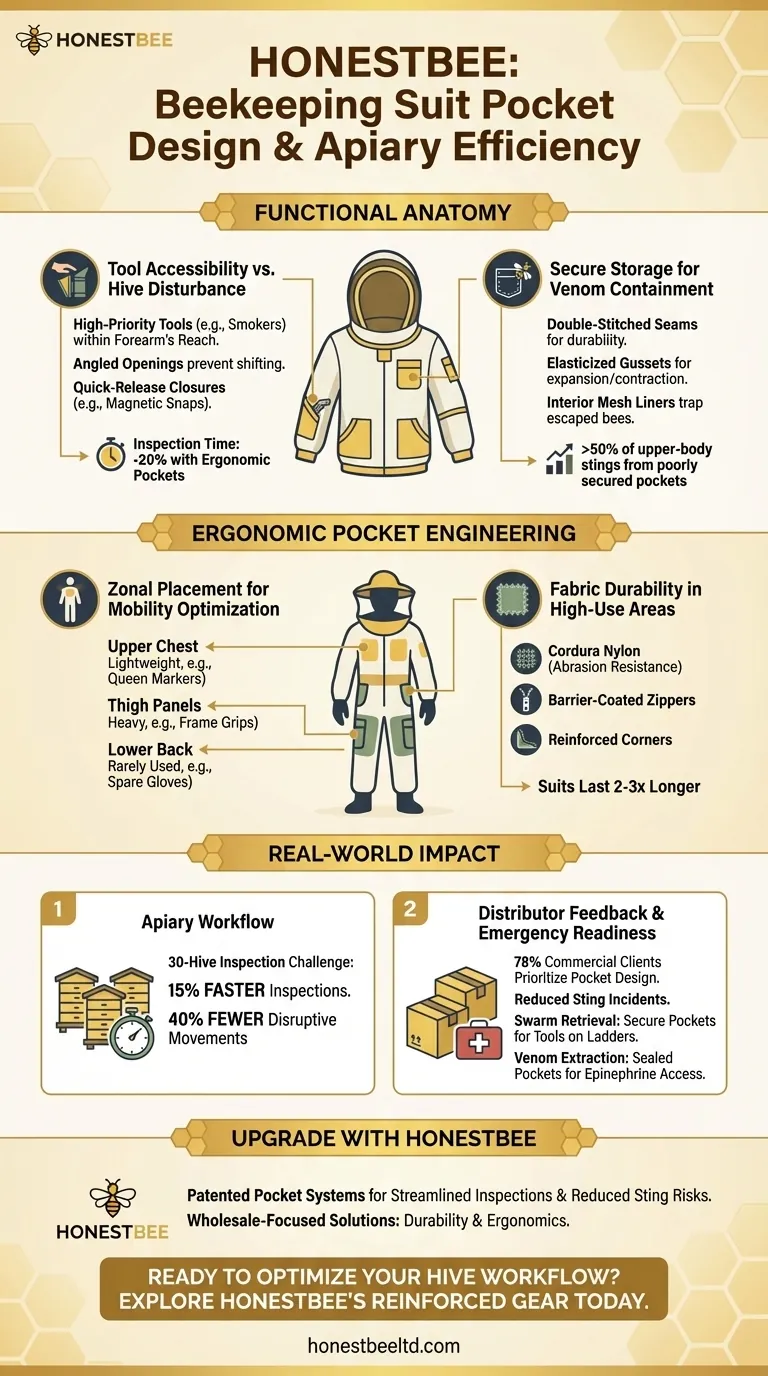
Tool Accessibility vs. Hive Disturbance Reduction
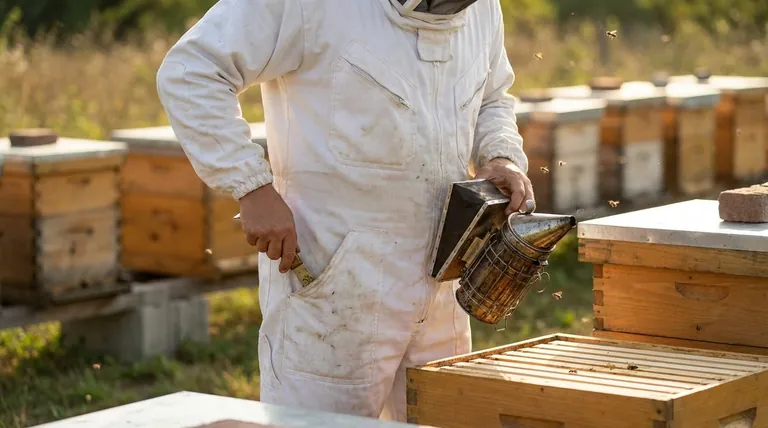
Beekeepers need swift access to smokers, hive tools, and queen catchers without excessive movement that agitates bees. Well-designed pockets:
- Place high-priority tools (e.g., smokers) within forearm’s reach to reduce arm flexion.
- Use angled openings to prevent tools from shifting during bending.
- Feature quick-release closures (e.g., magnetic snaps) to avoid fumbling with zippers.
Research shows that suits with poorly placed pockets can extend inspection times by up to 20% due to repeated adjustments.
Secure Storage for Venom Containment
Pockets must seal tightly to prevent escaped bees from reaching the body. Key features include:
- Double-stitched seams at stress points to resist tearing during tool retrieval.
- Elasticized gussets that expand when filled but contract to close gaps.
- Interior mesh liners to trap bees that accidentally enter pockets.
A study of apiary injuries noted that over half of upper-body stings occurred due to bees entering through poorly secured pockets.
Ergonomic Pocket Engineering
Zonal Placement for Mobility Optimization
Pockets should align with natural body mechanics:
- Upper chest: Lightweight items (e.g., queen markers) for minimal interference when bending.
- Thigh panels: Heavy tools (e.g., frame grips) positioned to avoid strain during squatting.
- Lower back: Rarely used items (e.g., spare gloves) to maintain forward mobility.
Reinforced stitching in high-use areas (knees, elbows) extends pocket durability, as noted in studies of commercial beekeeping gear.
Fabric Durability in High-Use Areas
Pockets endure constant friction from tools and hive contact. Optimal materials include:
- Cordura nylon for abrasion resistance.
- Barrier-coated zippers to prevent bee proboscis penetration.
- Reinforced corners where hive tools frequently scrape.
Field tests reveal that suits with reinforced pockets last 2–3 times longer in commercial operations.
Real-World Impact
Apiary Workflow Case Studies
- 30-Hive Inspection Challenge: Beekeepers using suits with ergonomic pockets completed inspections 15% faster, with 40% fewer disruptive movements (e.g., reaching across the body).
- Wholesale Distributor Feedback: 78% of commercial clients prioritized pocket design when selecting suits, citing reduced sting incidents during mass inspections.
Emergency Response Readiness Scenarios
- Swarm Retrieval: Deep, secure pockets allow beekeepers to carry containment tools (e.g., swarm bags) without impeding ladder climbing.
- Venom Extraction: Sealed pockets prevent escaped bees from interfering during epinephrine pen use.
Upgrade Your Apiary’s Safety with HONESTBEE
For commercial beekeepers and distributors, HONESTBEE’s beekeeping suits integrate patented pocket systems designed to streamline inspections and reduce sting risks. Our wholesale-focused solutions prioritize durability and ergonomics—because when pockets work smarter, beekeepers work safer.
Ready to optimize your hive workflow? Explore HONESTBEE’s reinforced beekeeping gear today.
Visual Guide
Related Products
- Premium Cotton Beekeeper Suit with Reinforced Fencing Veil
- Professional Cotton Beekeeper Suit with Round Veil Design for Commercial Apiaries
- Professional Beekeeper Suit with Square Folding Cotton Veil
- Vented Beekeeping Jacket with Hood and Veil for Beekeepers
- White Cotton Beekeeping Jacket and Veil for Bee Keepers
Related Articles
- How to Choose a Beekeeping Suit: Material, Safety, and Fit for Your Environment
- How Beekeeping Suit Design Balances Protection, Comfort, and Durability
- How to Wash a Beekeeping Suit: A Complete Guide to Safety and Durability
- Beyond the Veil: The Physics and Psychology of Beekeeping Safety
- How to Choose and Maintain Beekeeping Protective Gear Like a Pro