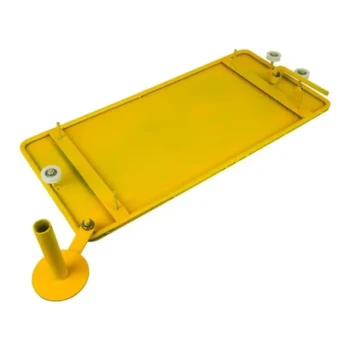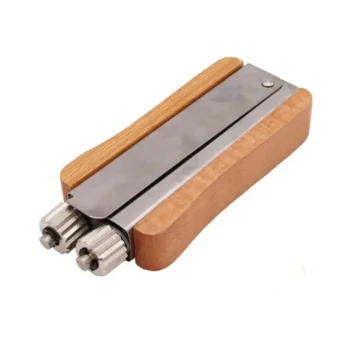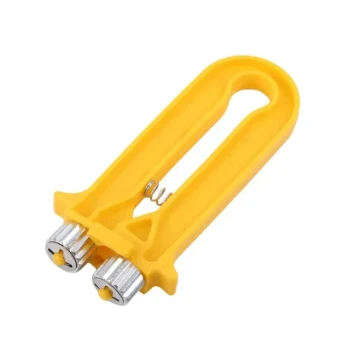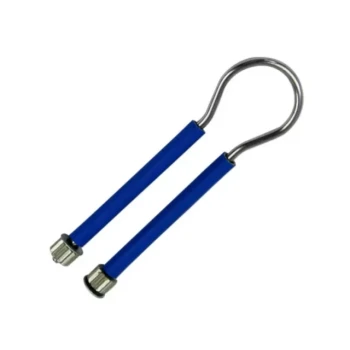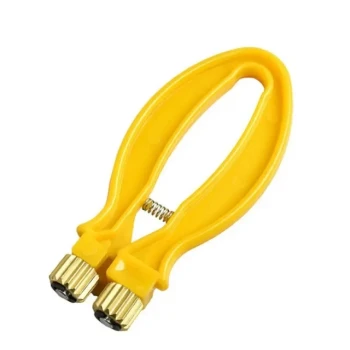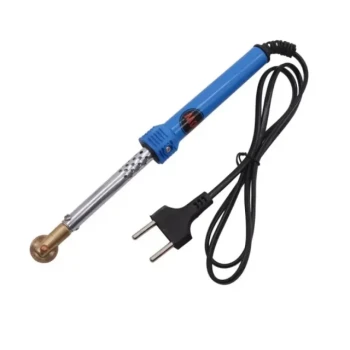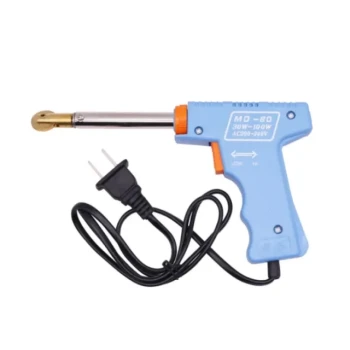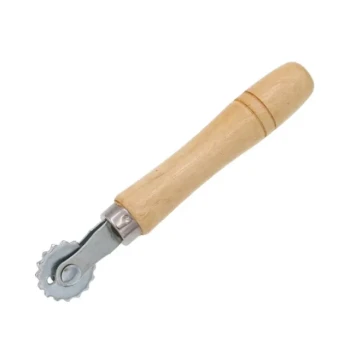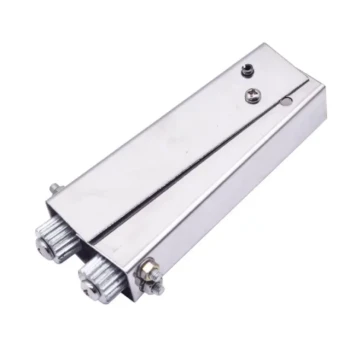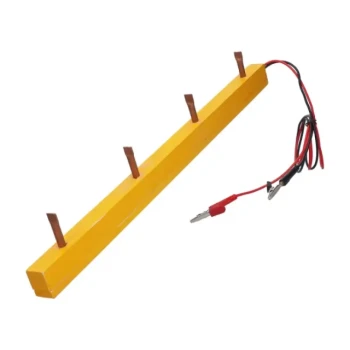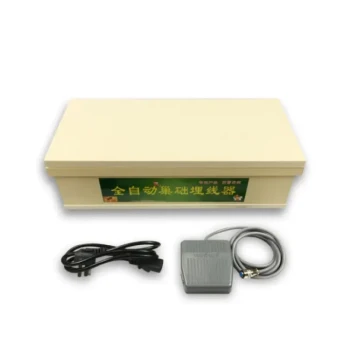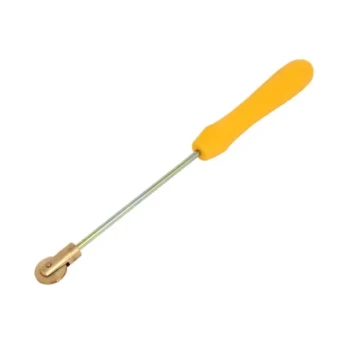
Beekeepers know the frustration of uneven wire tension and misaligned frames—issues that compromise hive durability and increase maintenance time. Frame wiring jigs solve these problems by standardizing wire installation with precision mechanics, reducing physical strain, and enabling batch processing. This article examines the engineering principles behind these tools and their operational benefits for apiaries.
Mechanics of Frame Wiring Systems
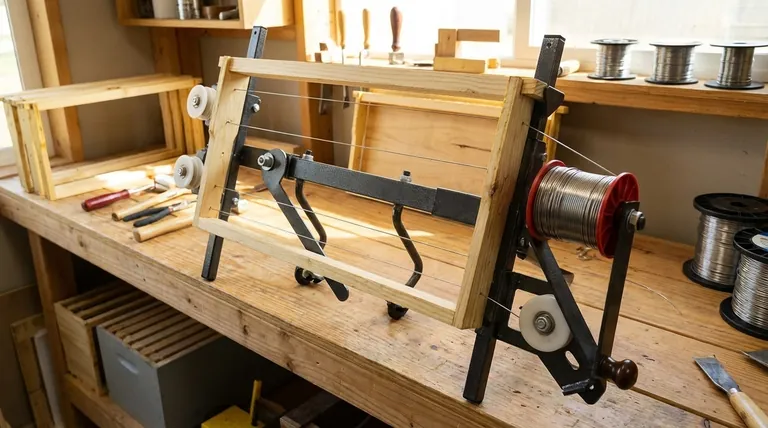
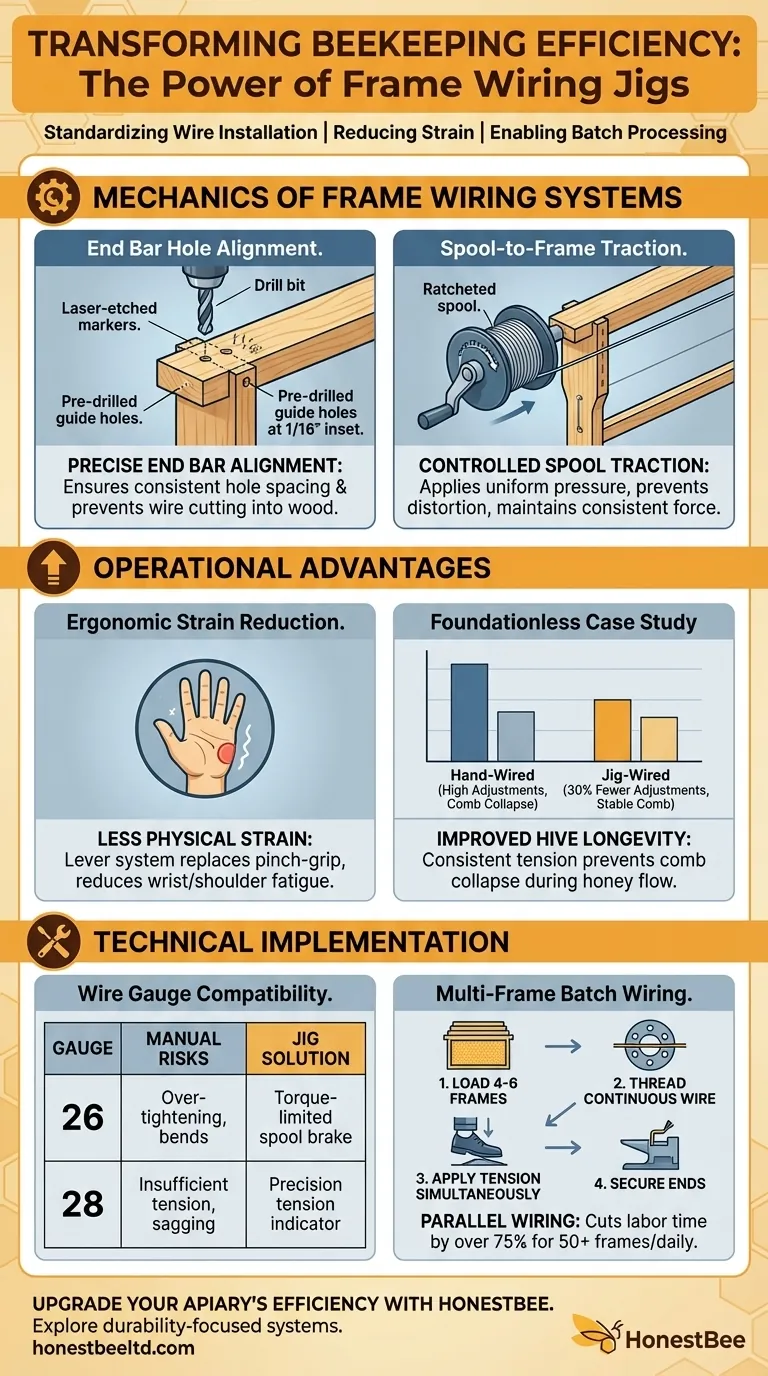
Frame wiring jigs operate on two core principles: precise end bar alignment and controlled spool traction. These systems eliminate the variability inherent in manual methods.
End Bar Hole Alignment Principles
The jig's template ensures each wire hole is equidistant from frame edges, maintaining consistent spacing regardless of operator skill level. Research shows proper hole placement prevents wire from cutting into wood when tensioned—a common failure point in hand-wired frames.
Key alignment features:
- Pre-drilled guide holes at optimal 1/16" inset
- Laser-etched positioning markers for visual verification
- Interchangeable plates for different frame sizes
Spool-to-Frame Traction Dynamics
A calibrated tensioning mechanism applies uniform pressure during wire winding. Unlike manual methods where pull strength varies, the jig's ratcheted spool holder maintains consistent force, preventing over-tightening that distorts frame geometry.
Operational Advantages in Apiary Maintenance
Commercial apiaries report 40-60% faster frame preparation times when using wiring jigs, alongside measurable reductions in equipment wear.
Ergonomic Strain Reduction Patterns
Manual wiring requires repetitive wrist flexion and high grip strength to pull wires taut. The jig's lever-operated tension system:
- Minimizes hand fatigue by replacing pinch-grip motions
- Reduces shoulder strain through optimized work height alignment
- Allows seated operation for large-scale jobs
Foundationless Frame Wiring Case Study
A Midwest apiary transitioning to foundationless frames found jig-wired units required 30% fewer mid-season adjustments compared to hand-wired counterparts. The consistent tension prevented comb collapse during honey flows—a frequent issue with uneven manual wiring.
Technical Implementation Guide
Wire Gauge Compatibility Thresholds
Jigs accommodate standard 26-28 gauge stainless steel wires while preventing these common issues:
| Gauge | Manual Wiring Risks | Jig Solution |
|---|---|---|
| 26 | Over-tightening bends end bars | Torque-limited spool brake |
| 28 | Insufficient tension causes sagging | Precision tension indicator |
Multi-Frame Batch Wiring Strategies
For operations processing 50+ frames daily, jigs enable parallel wiring:
- Load 4-6 frames into the jig's stacking carriage
- Thread continuous wire through all guide holes
- Apply tension simultaneously with the foot pedal actuator
- Secure ends using the integrated staple anvil
This method cuts per-frame labor time by over 75% compared to sequential hand wiring.
Ready to upgrade your apiary's efficiency? HONESTBEE's professional-grade wiring jigs help commercial beekeepers and distributors minimize equipment failures while scaling production. Explore our beekeeping systems designed for durability-focused operations.
Visual Guide
Related Products
- HONESTBEE Professional Frame Wiring Board and Jig
- HONESTBEE Durable Frame Wiring Board with Integrated Tensioner
- Professional Bee Frame Wiring Tool with Integrated Tensioning System by HONESTBEE
- HONESTBEE Durable Ergonomic Wooden Handle Frame Wire Crimper
- HONESTBEE Ergonomic Spring Loaded Frame Wire Crimper
Related Articles
- The Physics of the Hive: How a Simple Wire Prevents Catastrophic Failure
- The Beekeeper's Dilemma: Choosing Between Wooden Frame Ideals and Plastic Frame Efficiency
- Wooden vs. Plastic Bee Hive Frames: Balancing Sustainability and Practicality
- The Beekeeper's Trade-Off: Engineering Efficiency vs. Honoring Instinct
- How to Wire Beehive Frames for Maximum Durability and Honey Production