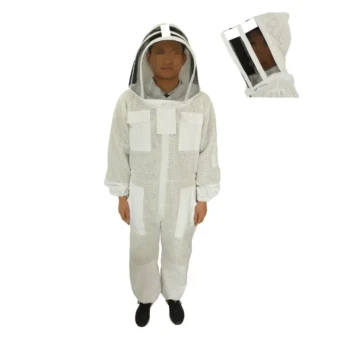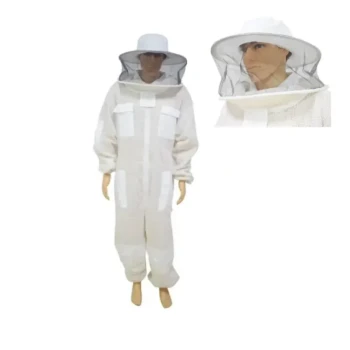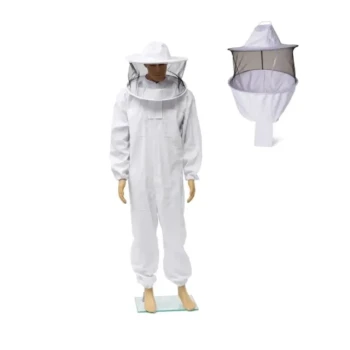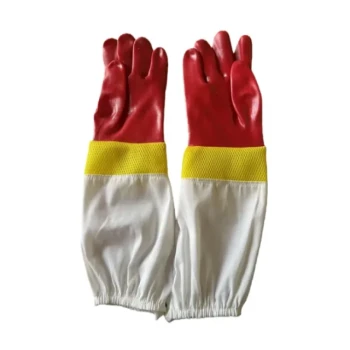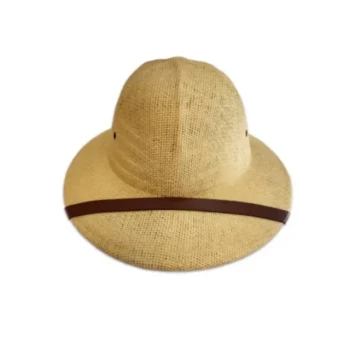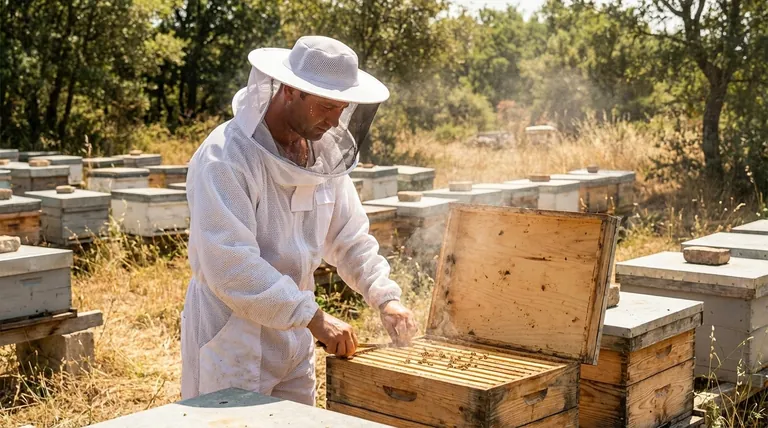
For beekeepers working in tropical climates or during summer months, heat stress is more than just discomfort—it’s a productivity and safety hazard. Traditional bee suits often trap heat, forcing beekeepers to choose between protection and endurance. Fully ventilated bee suits address this dilemma with innovative mesh engineering that blocks stings while enhancing airflow. Here’s how they redefine beekeeping ergonomics.
Fully Ventilated Bee Suits: A Breakthrough in Beekeeping Ergonomics
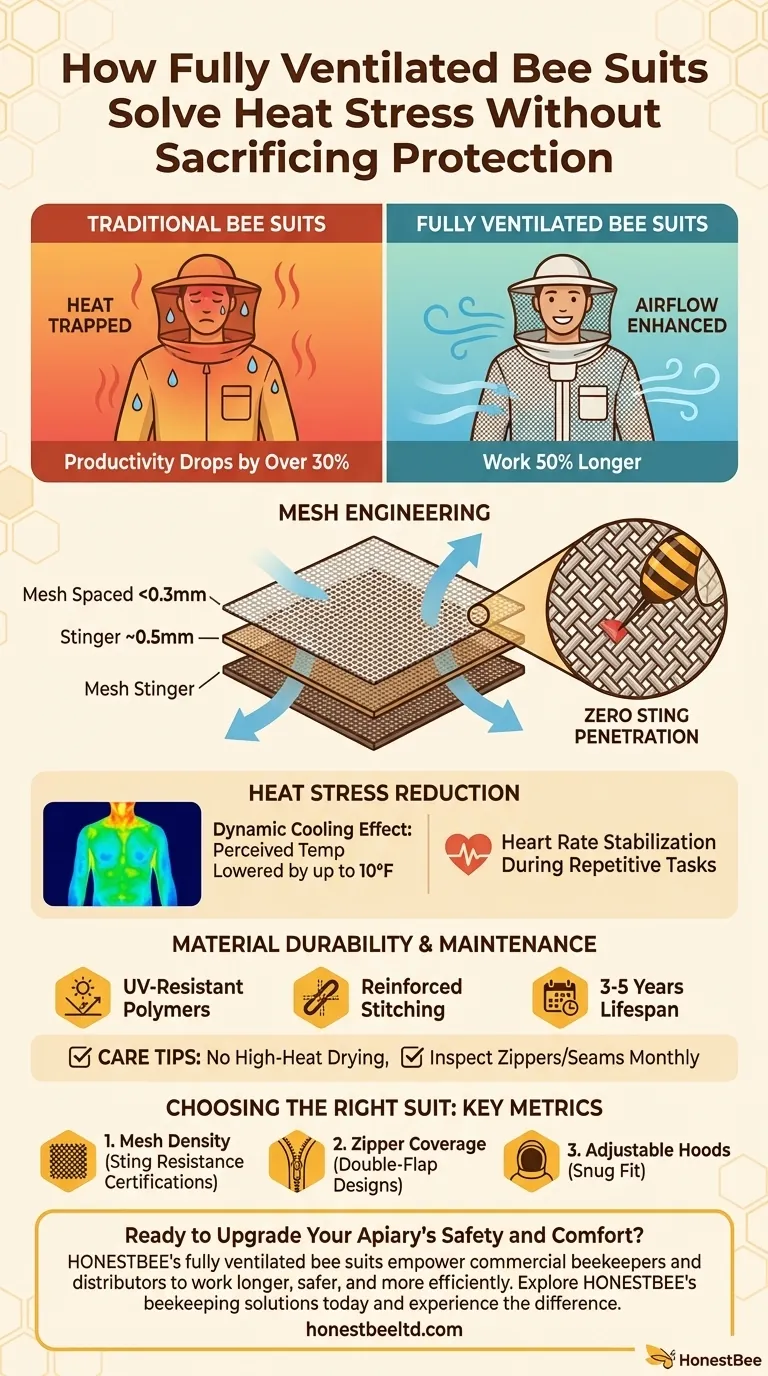
Beekeepers lose valuable working hours due to heat exhaustion, with some studies suggesting productivity drops by over 30% in high temperatures. Fully ventilated suits combat this by integrating thick, multi-layered mesh fabrics. Unlike conventional suits, these designs allow air circulation directly to the skin, reducing core body temperature without exposing wearers to stings.
Key advantages include:
- No need for base layers—The suit’s sting-proof mesh eliminates the necessity for heavy undershirts or pants.
- Extended work sessions—Beekeepers report working 50% longer in ventilated suits compared to standard models.
- Adaptability to humidity—Even in environments with humidity exceeding 80%, airflow persists, preventing sweat saturation.
How Mesh Engineering Blocks Stings While Enhancing Airflow
The secret lies in the mesh’s precise weave density. Research shows that bees sting with approximately 0.5 mm of penetration force. High-quality ventilated suits use mesh layers spaced less than 0.3 mm apart—too tight for stingers to breach but wide enough for uninterrupted airflow.
Performance highlights:
- Zero sting penetration—Tests under apiary conditions show no stings reaching the skin when suits are properly secured.
- Dynamic cooling effect—Moving air creates a "windchill" sensation, lowering perceived temperature by up to 10°F.
Heat Stress Reduction: Quantitative Benefits for Tropical Beekeepers
In field trials, ventilated suits reduced heat-related breaks by 40% among commercial apiaries in Southeast Asia. The suits’ open structure also minimizes moisture buildup, a critical factor in preventing dehydration during long hive inspections.
Real-world impact:
- Heart rate stabilization—Wearers maintain steadier cardiovascular metrics during repetitive tasks.
- Reduced equipment abandonment—Fewer beekeepers switch to unprotected clothing due to overheating.
Material Durability and Maintenance in High-Temperature Environments
Concerns about mesh fragility are dispelled by reinforced stitching and UV-resistant polymers. Proper care—such as rinsing suits in cool water after use—extends lifespan to 3–5 years even with weekly use.
Care tips:
- Avoid high-heat drying; hang suits in shaded areas.
- Inspect zippers and seams monthly for wear.
Choosing the Right Suit: Key Metrics for Sting Resistance and Ventilation
When evaluating suits, prioritize:
- Mesh density—Look for certifications confirming sting resistance.
- Zipper coverage—Double-flap designs prevent bee intrusions.
- Adjustable hoods—Ensure a snug fit to keep bees from entering gaps.
Ready to Upgrade Your Apiary’s Safety and Comfort?
HONESTBEE’s fully ventilated bee suits empower commercial beekeepers and distributors to work longer, safer, and more efficiently—even in extreme heat. By merging cutting-edge airflow technology with proven sting protection, these suits are transforming apiary productivity.
Explore HONESTBEE’s beekeeping solutions today and experience the difference.
Visual Guide
Related Products
- Three-Layer Ventilated Beekeeper Suit with Structured Fencing Veil
- Premium Three Layer Ventilated Bee Suit with Round Veil
- Vented Beekeeping Jacket with Hood and Veil for Beekeepers
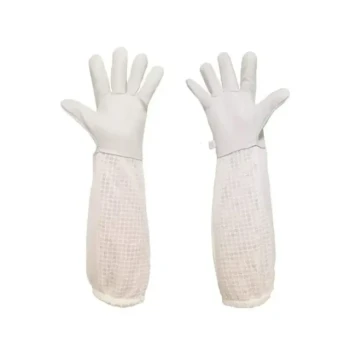
- Premium Ventilated Goatskin Beekeeping Gloves with Full 3-Layer Mesh Sleeve
- Inner Beehive Cover for Beekeeping Bee Hive Inner Cover
Related Articles
- How Beekeeping Suit Design Balances Protection, Comfort, and Durability
- How to Choose a Beekeeping Suit: Material, Safety, and Fit for Your Environment
- How Pocket Design in Beekeeping Suits Enhances Safety and Inspection Efficiency
- How to Wash a Beekeeping Suit: A Complete Guide to Safety and Durability
- Beyond the Veil: The Physics and Psychology of Beekeeping Safety