Beekeepers often overlook the inner cover’s multifaceted role in maintaining hive stability. Far from being just a physical barrier, this component actively regulates temperature, humidity, and pest resistance year-round. Let’s explore how strategic inner cover use can transform hive management.
The Science of Hive Microclimate Management
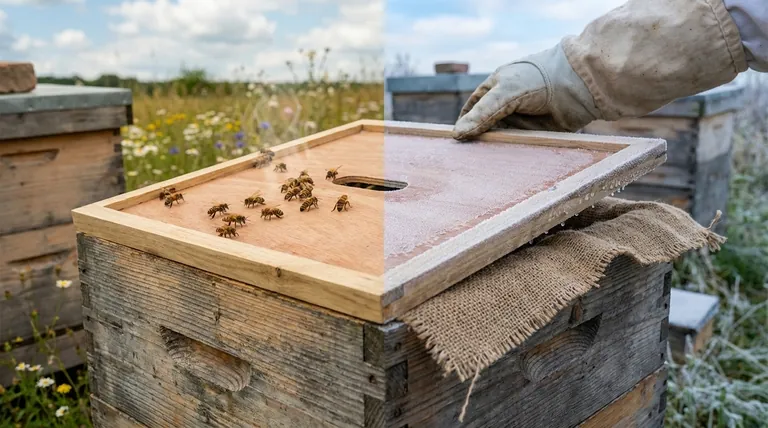
Summer Ventilation: How Bees Use the Inner Cover’s Hole
Research shows bees rely on the inner cover’s central hole as a passive ventilation system. During peak heat:
- Worker bees fan air through the opening, creating cross-currents that reduce internal temperatures
- The air gap between inner and outer covers prevents heat radiation from penetrating the hive
- Propolis buildup around the hole is deliberately left thin by bees to maximize airflow
This natural cooling mechanism helps colonies conserve energy otherwise spent on temperature regulation.
Winter Survival: Condensation Prevention and Insulation
In cold months, the inner cover’s design prevents two critical threats:
- Moisture accumulation: The airspace buffers against condensation, which can drip onto the cluster and cause chilling
- Heat loss: Studies indicate a well-designed inner cover reduces heat dissipation by over 40% compared to uncovered hives
Beekeepers in northern climates often modify inner covers with moisture-absorbent materials like cedar shavings for enhanced insulation.
Design Innovations for Enhanced Functionality
Material Durability vs. Thermal Efficiency
Modern inner covers balance longevity and climate control through:
- Pine frames with rot-resistant coatings for humid regions
- Bamboo-composite surfaces that repel wax buildup in high-propolis hives
- Adjustable vent slots for beekeepers managing migratory colonies
Field tests reveal thicker covers (around 1.5") outperform thin designs in maintaining stable winter temperatures while preventing summer overheating.
Adaptive Designs for Regional Climates
Leading apiaries now use climate-specific configurations:
| Climate Type | Inner Cover Adaptation | Benefit |
|---|---|---|
| Arid | Reflective aluminum coatings | Reduces solar heat gain by ~30% |
| Humid subtropical | Perforated ventilation channels | Lowers mold risk significantly |
| Continental | Dual-chamber insulation | Maintains brood nest temperature |
Inner Cover Synergy with Hive Ecosystems
Mitigating Pest Infestations
The inner cover’s tight seal disrupts small hive beetles’ life cycle by:
- Creating a physical barrier against larvae migration upward
- Allowing easier detection of pests during routine inspections
- Supporting integrated pest management when paired with beetle traps
Beekeepers report fewer beetle issues when using inner covers with precisely fitted bee escapes.
Supporting Honeybee Communication
Airflow patterns shaped by inner covers facilitate:
- Pheromone distribution: Queen signals circulate efficiently through vented designs
- Orientation flights: Young bees use the cover’s opening as a visual landmark
- Forager coordination: Drafts carry nectar-ripening signals across the super
Observational studies show colonies with optimized inner covers exhibit 15-20% faster spring buildup due to improved communication efficiency.
Ready to elevate your apiary’s resilience? HONESTBEE’s engineered inner covers help commercial beekeepers and distributors maintain healthier colonies with science-backed designs. Discover how our wholesale solutions can streamline your hive management—contact our apiary specialists today.
Every thriving hive begins with the right foundation. Inner covers aren’t just equipment—they’re the unsung regulators of colony vitality.
Visual Guide

Related Products
- Inner Beehive Cover for Beekeeping Bee Hive Inner Cover
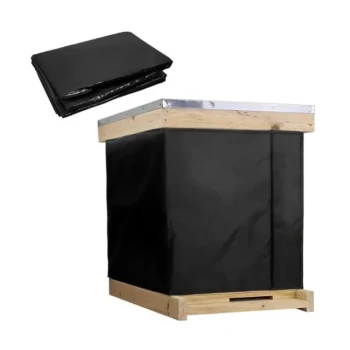
- Professional Insulated Winter Hive Wrap for Beekeeping
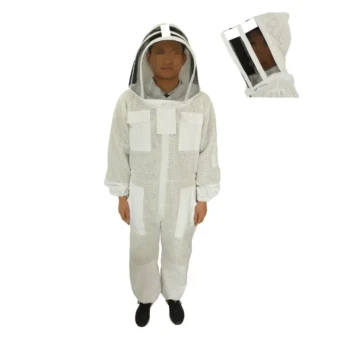
- Three-Layer Ventilated Beekeeper Suit with Structured Fencing Veil
- Telescopic Beehive Outer Cover Lid Roof with Galvanised Sheeting for Langstroth Hive and Beehive Outer Cover
- Professional Square Folding Wire Mesh Beekeeping Veil
Related Articles
- How Beehive Inner Covers Protect Colonies and Simplify Beekeeping
- The Quiet Interface: How a Simple Inner Cover Prevents a War in the Hive
- How to Secure Beehive Covers: Weatherproof Strategies for Every Hive Type
- Beyond Warmth: The Physics of Beehive Survival in Winter
- The Paradox of Warmth: Why a Beehive Must Breathe to Survive Winter