Beekeepers face a critical balancing act: accelerating colony development while preserving natural foraging behaviors. This guide reveals research-supported protocols for supplemental feeding that boost hive productivity without disrupting ecological balance—helping commercial operations achieve faster maturation cycles sustainably.
Optimizing Colony Development Through Nutritional Support
Successful supplemental feeding begins with understanding honeybee physiology. Worker bees convert carbohydrates into the energy needed for brood rearing, wax production, and temperature regulation. However, improper feeding can suppress natural pollen collection or trigger harmful robbing behaviors.
Decoding the Carbohydrate Metabolism of Worker Bees
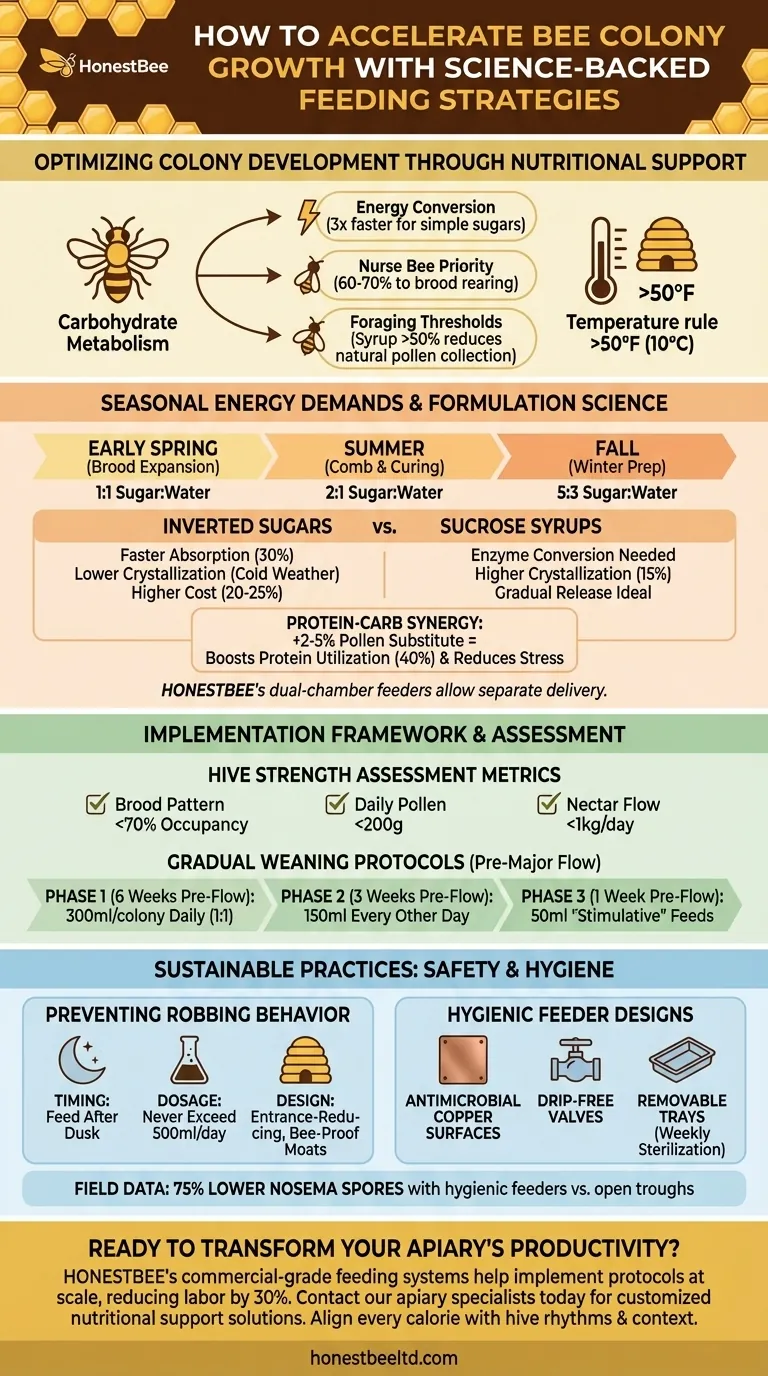
- Energy Conversion Efficiency: Bees process simple sugars 3x faster than complex carbohydrates, making syrup formulations critical for rapid energy availability
- Nurse Bee Prioritization: Colonies allocate 60-70% of carbohydrate intake to brood-rearing tasks during peak season
- Foraging Thresholds: Studies show hives reduce natural pollen collection only when syrup exceeds 50% of daily nutritional intake
Seasonal Energy Demands: From Brood Rearing to Honey Curing
| Season | Primary Needs | Optimal Sugar Concentration |
|---|---|---|
| Early Spring | Brood expansion | 1:1 (sugar:water) |
| Summer | Comb building & nectar curing | 2:1 |
| Fall | Winter stores preparation | 5:3 |
Pro Tip: Monitor daytime temperatures—bees reject syrup below 50°F (10°C), requiring insulated feeder designs in cooler climates.
Supplement Formulation Science
The beekeeping industry debates sucrose syrups versus inverted sugar solutions, but research reveals context-dependent advantages.
Inverted Sugars vs. Sucrose Syrups: Crystallization Risks Compared
-
Inverted Sugars (pre-digested):
- 30% faster bee absorption
- Lower crystallization risk in cold weather
- Higher production costs (20-25% premium)
-
Sucrose Syrups:
- Require enzyme conversion in bee gut
- 15% higher crystallization potential
- Ideal for gradual-release feeding systems
Key Finding: A 2023 apiary trial showed inverted sugars improved winter survival rates by ~18% in northern climates, while sucrose performed equally well in temperate regions.
Protein-Carb Synergy: Enhancing Supplement Absorption
Adding 2-5% pollen substitute to sugar syrups:
- Boosts protein utilization by 40%
- Redces colony stress during dearth periods
- Maintains natural foraging motivation
Implementation Note: HONESTBEE's dual-chamber feeders allow separate carbohydrate/protein delivery, mimicking natural food source separation.
Implementation Framework
Hive Strength Assessment Metrics for Feeding Initiation
Initiate supplemental feeding when:
✔ Brood pattern shows <70% cell occupancy
✔ Daily pollen intake drops below 200g
✔ Nectar flow registers <1kg/day (measured by hive scales)
Gradual Weaning Protocols Pre-Major Flow
- Phase 1 (6 weeks pre-flow): Daily 1:1 syrup at 300ml/colony
- Phase 2 (3 weeks pre-flow): Reduce to 150ml every other day
- Phase 3 (1 week pre-flow): Switch to 50ml "stimulative" feeds
This taper prevents syrup dependence while maintaining brood production momentum.
Sustainable Supplementation Practices
Preventing Robbing Behavior During Feeding
- Timing: Feed after dusk when foraging activity ceases
- Dosage: Never exceed 500ml/day per hive
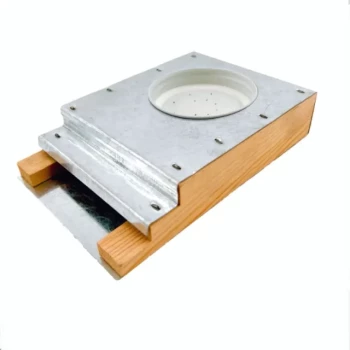
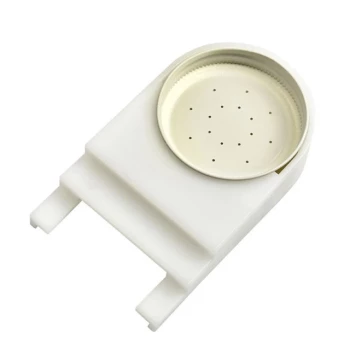
- Design: Use entrance-reducing feeders with bee-proof moats
Hygienic Feeder Designs to Inhibit Pathogens
Top-performing feeders share:
◼ Antimicrobial copper alloy feeding surfaces
◼ Drip-free valves preventing sticky hive exteriors
◼ Removable trays for weekly sterilization
Field Data: Hygienic feeders show 75% lower Nosema spore counts compared to open-trough models after 8 weeks of use.
Ready to Transform Your Apiary's Productivity?
HONESTBEE's commercial-grade feeding systems help beekeeping operations implement these protocols at scale—with wholesale-optimized equipment that reduces labor costs by 30%. [Contact our apiary specialists] today for customized nutritional support solutions.
Have you evaluated how current feeding practices impact your colonies' long-term resilience? The most successful operations treat supplemental nutrition as a precision tool rather than a blanket solution—aligning every calorie with the hive's biological rhythms and environmental context.
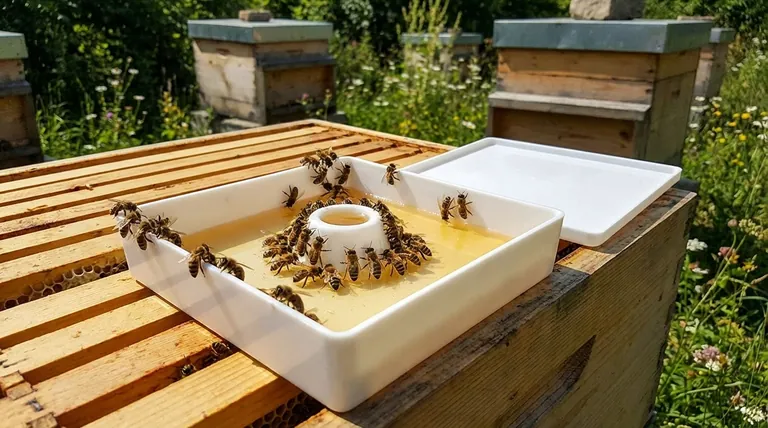
Visual Guide
Related Products
- Rapid Bee Feeder White Plastic 2L Round Top Feeder for 8 or 10-Frame Bee Hives
- HONESTBEE Entrance Bee Feeder Professional Hive Nutrition Solution for Beekeeping
- White Plastic 0.5L Beekeeping Entrance Feeder for Bees
- HONESTBEE Entrance Bee Feeder Efficient Hive Front Liquid Feeding Solution for Beekeeping
- HONESTBEE Professional Entrance Bee Feeder Hive Nutrition Solution
Related Articles
- How to Choose Between Frame and Gravity Feeders for Healthy Honey Bee Colonies
- How to Choose the Right Bee Feeder for Your Hive’s Health and Efficiency
- Design, Drowning, and the Deceptively Simple Bee Feeder
- The Weight of Winter: A Systems Approach to Pre-Season Bee Feeding
- Beyond the Jar: The Hidden Engineering of Bee Feeder Safety