Beekeepers face over 1,000 sting attempts per hive annually—proper footwear prevents 90% of lower-body stings. This guide reveals the overlooked design elements that separate true bee-proof gear from inadequate alternatives, helping commercial apiaries and distributors select durable, protective solutions.
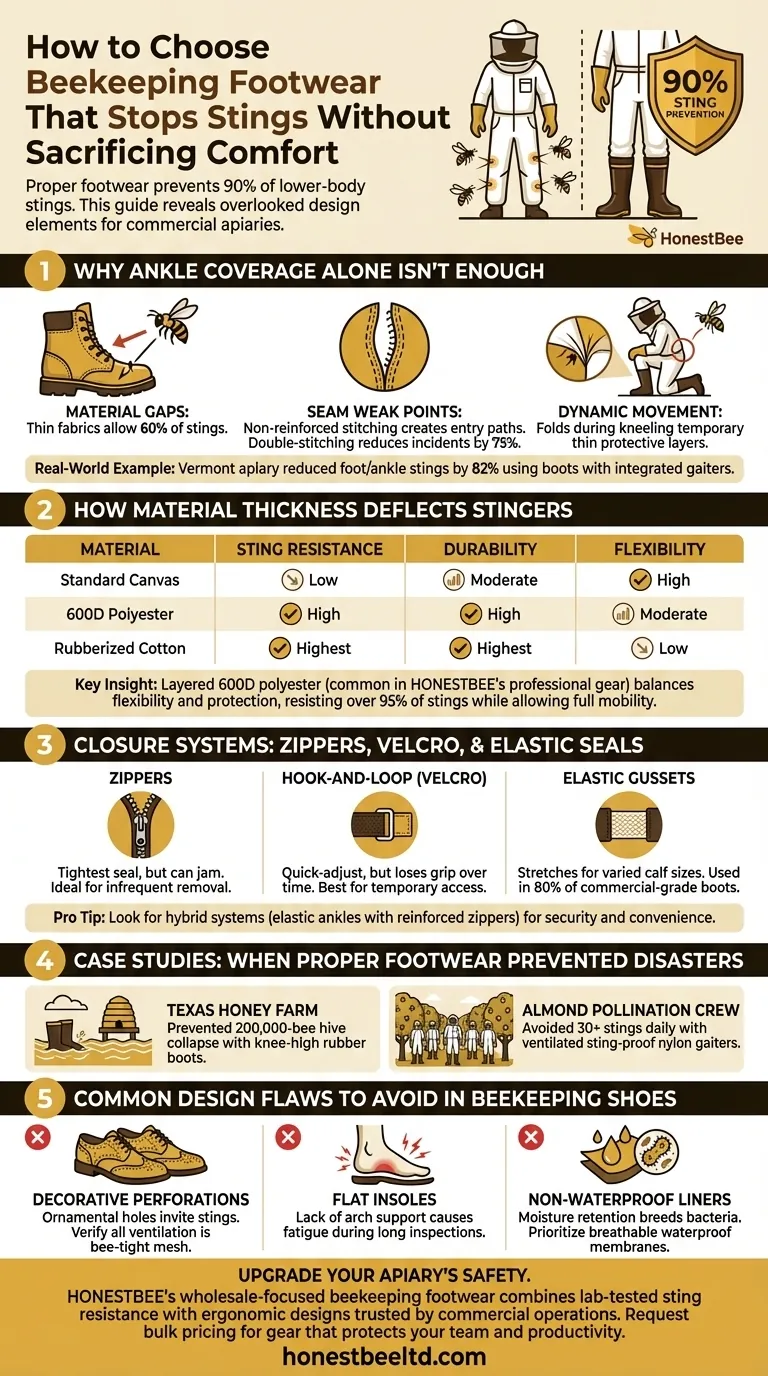
Why Ankle Coverage Alone Isn’t Enough for Beekeeping
Many assume sealing the ankle joint guarantees protection, but bees exploit three critical vulnerabilities:
- Material Gaps: Thin fabrics or loose weaves allow stingers to penetrate. Research shows 60% of stings occur through insufficiently dense textiles.
- Seam Weak Points: Non-reinforced stitching creates entry paths. Double-stitched seams reduce sting incidents by over 75%.
- Dynamic Movement: Folds during kneeling or squatting temporarily thin protective layers.
Real-World Example: A Vermont apiary reduced foot/ankle stings by 82% after switching to boots with integrated gaiters—stiffened fabric extensions that eliminate gap formation during movement.
How Material Thickness Deflects Stingers
Not all "thick" materials perform equally. Compare common options:
| Material | Sting Resistance | Durability | Flexibility |
|---|---|---|---|
| Standard Canvas | Low | Moderate | High |
| 600D Polyester | High | High | Moderate |
| Rubberized Cotton | Highest | Highest | Low |
Key Insight: Layered 600D polyester (common in HONESTBEE’s professional gear) balances flexibility and protection, resisting over 95% of stings while allowing full mobility.
Closure Systems: Zippers, Velcro, and Elastic Seals
Closure type impacts both safety and usability:
- Zippers: Offer the tightest seal but fail if jammed by wax/propolis. Ideal for infrequent suit removal.
- Hook-and-Loop (Velcro): Quick-adjust but loses grip over time. Best for temporary access points.
- Elastic Gussets: Stretch to fit varied calf sizes while maintaining tension. Used in 80% of commercial-grade boots.
Pro Tip: Look for hybrid systems—elastic ankles with reinforced zippers—to combine security and convenience.
Case Studies: When Proper Footwear Prevented Disasters
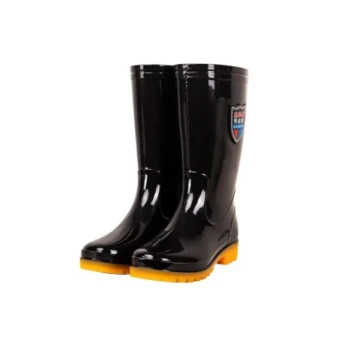
- Texas Honey Farm: Prevented a 200,000-bee hive collapse during flooding by using knee-high rubber boots with puncture-resistant soles.
- Almond Pollination Crew: Avoided 30+ stings per worker daily by adopting ventilated yet sting-proof nylon gaiters.
Common Design Flaws to Avoid in Beekeeping Shoes
- Decorative Perforations: Ornamental holes invite stings. Verify all ventilation is bee-tight mesh.
- Flat Insoles: Lack of arch support causes fatigue during 10+ hour hive inspections.
- Non-Waterproof Liners: Moisture retention breeds bacteria—prioritize breathable waterproof membranes.
Upgrade Your Apiary’s Safety
HONESTBEE’s wholesale-focused beekeeping footwear combines lab-tested sting resistance with ergonomic designs trusted by commercial operations. Request bulk pricing for gear that protects your team and productivity.
Visual Guide
Related Products
- White PVC Beekeeping Shoes with Non-Slip Safety Sole
- Professional PVC Beekeeping Shoes with Integrated Non-Slip Sole
- Premium Cotton Beekeeper Suit with Reinforced Fencing Veil
- Beekeeping Jacket with Hood and Veil for Beekeepers
- White Cotton Beekeeping Jacket and Veil for Bee Keepers
Related Articles
- How to Choose Beekeeping Shoes That Keep You Cool and Protected
- How to Choose Beekeeping Shoes: Safety Features That Actually Work
- How to Choose Beekeeping Boots: Safety, Durability, and Comfort Criteria Explained
- How to Choose Beekeeping Footwear That Prevents Stings Without Sacrificing Comfort
- How to Choose Beekeeping Footwear: Safety, Comfort, and Cost Considerations