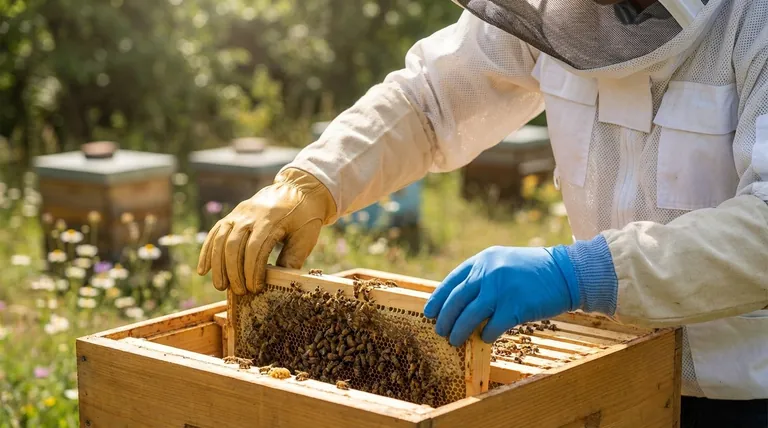
Beekeeping gloves are your first line of defense against stings, but selecting the right pair involves balancing protection, dexterity, and durability. Whether you're a hobbyist managing a backyard hive or a commercial beekeeper handling hundreds of colonies, this guide breaks down material science, use-case suitability, and maintenance practices to help you make informed decisions.
Beekeeping Gloves 101: Essential Protection for Apiary Safety
Bee stings deliver more than just pain—they can trigger allergic reactions or long-term joint damage from repeated venom exposure. Gloves shield vulnerable areas like wrists and fingers while allowing you to perform delicate hive inspections.
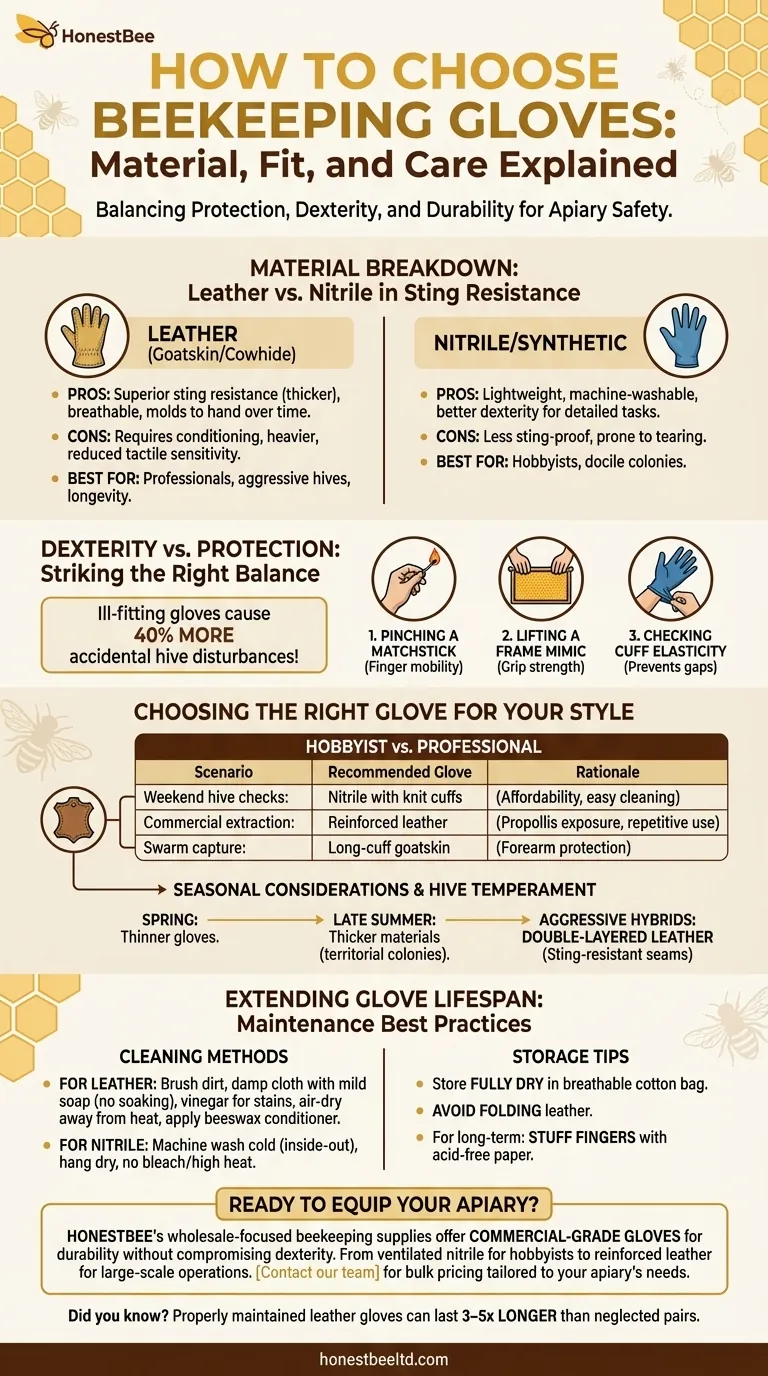
Material Breakdown: Leather vs. Nitrile in Sting Resistance
-
Leather (Goatskin/Cowhide):
- Pros: Superior sting resistance (thicker than synthetics), breathable, and molds to hands over time.
- Cons: Requires conditioning to prevent cracking; heavier and may reduce tactile sensitivity.
- Best for: Professionals handling aggressive hives or those prioritizing longevity.
-
Nitrile/Synthetic:
- Pros: Lightweight, machine-washable, and offers better dexterity for detailed tasks like queen marking.
- Cons: Less sting-proof (bees can pierce thin areas); prone to tearing with heavy use.
- Best for: Hobbyists or beekeepers working with docile colonies.
Dexterity vs. Protection: Striking the Right Balance
Research shows that ill-fitting gloves cause 40% more accidental hive disturbances—a key trigger for defensive bee behavior. Test gloves by:
- Pinching a matchstick (assesses finger mobility).
- Lifting a frame mimic (evaluates grip strength).
- Checking cuff elasticity (prevents gaps at the wrists).
Choosing the Right Glove for Your Beekeeping Style
Hobbyist vs. Professional: Scenarios Driving Material Choice
| Scenario | Recommended Glove Type | Rationale |
|---|---|---|
| Weekend hive checks | Nitrile with knit cuffs | Balances affordability and ease of cleaning. |
| Commercial honey extraction | Reinforced leather | Withstands daily propolis exposure and repetitive use. |
| Swarm capture | Long-cuff goatskin | Extra forearm protection against disoriented bees. |
Seasonal Considerations and Hive Temperament
- Spring: Opt for thinner gloves (bees are less defensive during nectar flows).
- Late summer: Switch to thicker materials—colonies become territorial as resources dwindle.
- Aggressive hybrids (e.g., Africanized bees): Prioritize double-layered leather with sting-resistant seams.
Extending Glove Lifespan: Maintenance Best Practices
Cleaning Methods for Leather and Synthetic Materials
For Leather:
- Brush off dirt with a soft-bristle tool.
- Wipe with a damp cloth dipped in mild soap solution (avoid soaking).
- Treat stubborn stains with a vinegar-water mix (test on inner wrist first).
- Air-dry away from heat, then apply beeswax-based conditioner.
For Nitrile:
- Machine wash cold (inside-out) with mild detergent.
- Hang dry; never use bleach or high heat.
Storage Tips to Prevent Degradation
- Store gloves fully dry in a breathable cotton bag.
- Avoid folding leather gloves—this weakens fibers.
- For long-term storage, stuff fingers with acid-free paper to maintain shape.
Ready to Equip Your Apiary?
HONESTBEE’s wholesale-focused beekeeping supplies offer commercial-grade gloves designed for beekeepers who demand durability without compromising dexterity. From ventilated nitrile pairs for hobbyists to reinforced leather gloves for large-scale operations, our products are field-tested to keep you—and your bees—safe. [Contact our team] today for bulk pricing tailored to your apiary’s needs.
Did you know? Properly maintained leather gloves can last 3–5x longer than neglected pairs. A few minutes of care post-use pays off in long-term protection.
Products You Might Be Looking For:
Explore professional beekeeping protective gear
Visual Guide
Related Products
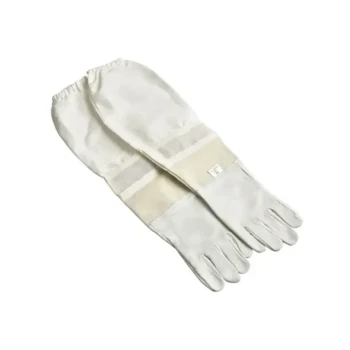
- Beekeeping Gloves Goatskin Leather with Long Cotton Sleeve for Beekeepers
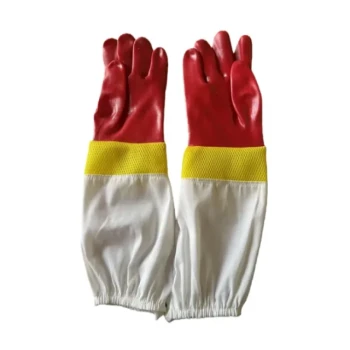
- Heavy Duty Red Rubber Beekeeping Gloves with Vented Mesh Cotton Sleeves
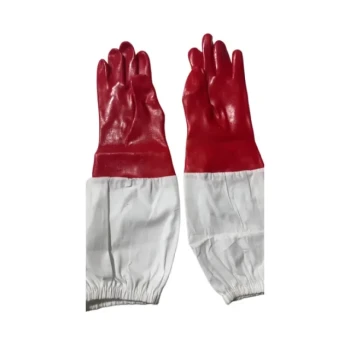
- Heavy Duty Red Rubber Beekeeping Gloves with Extended Pure Cotton Sleeves for Beekeepers
- Goatskin Leather Beekeeper Gloves with Vent Long Sleeve for Beekeeping Honey Bee Sting Proof Protection
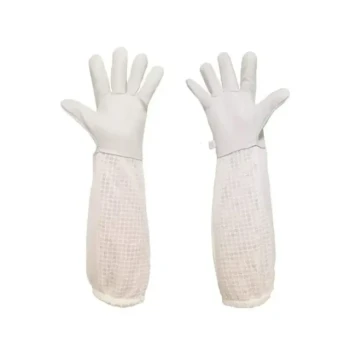
- Premium Ventilated Goatskin Beekeeping Gloves with Full 3-Layer Mesh Sleeve
Related Articles
- How Proper Storage Extends Beekeeping Glove Lifespan by Multiple Seasons
- The Second Skin: A Beekeeper's Guide to Glove Longevity and Apiary Health
- How to Choose Beekeeping Gloves: Material Science for Optimal Protection & Dexterity
- Beyond the Sting: How Glove Hygiene Dictates Apiary Success
- More Than a Barrier: The Psychology of Glove Selection in Commercial Beekeeping