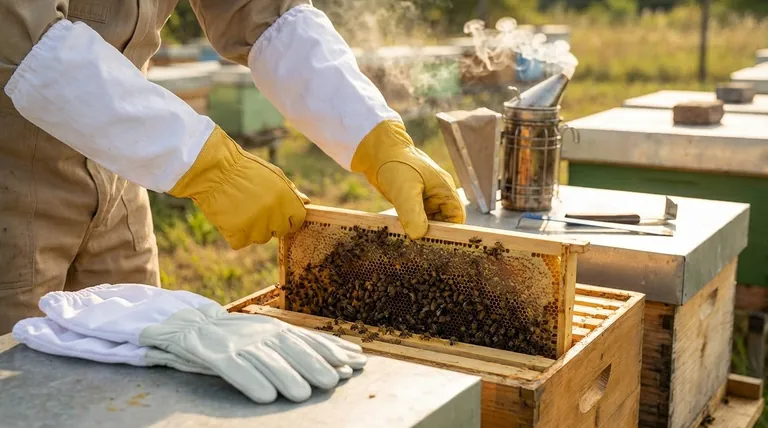
Beekeeping gloves are your first line of defense against stings, but the wrong material can hinder your workflow or fail when you need protection most. This guide compares leather, goatskin, and nitrile gloves to help you find the perfect balance of safety, dexterity, and durability for your apiary needs.
Beekeeping Glove Essentials
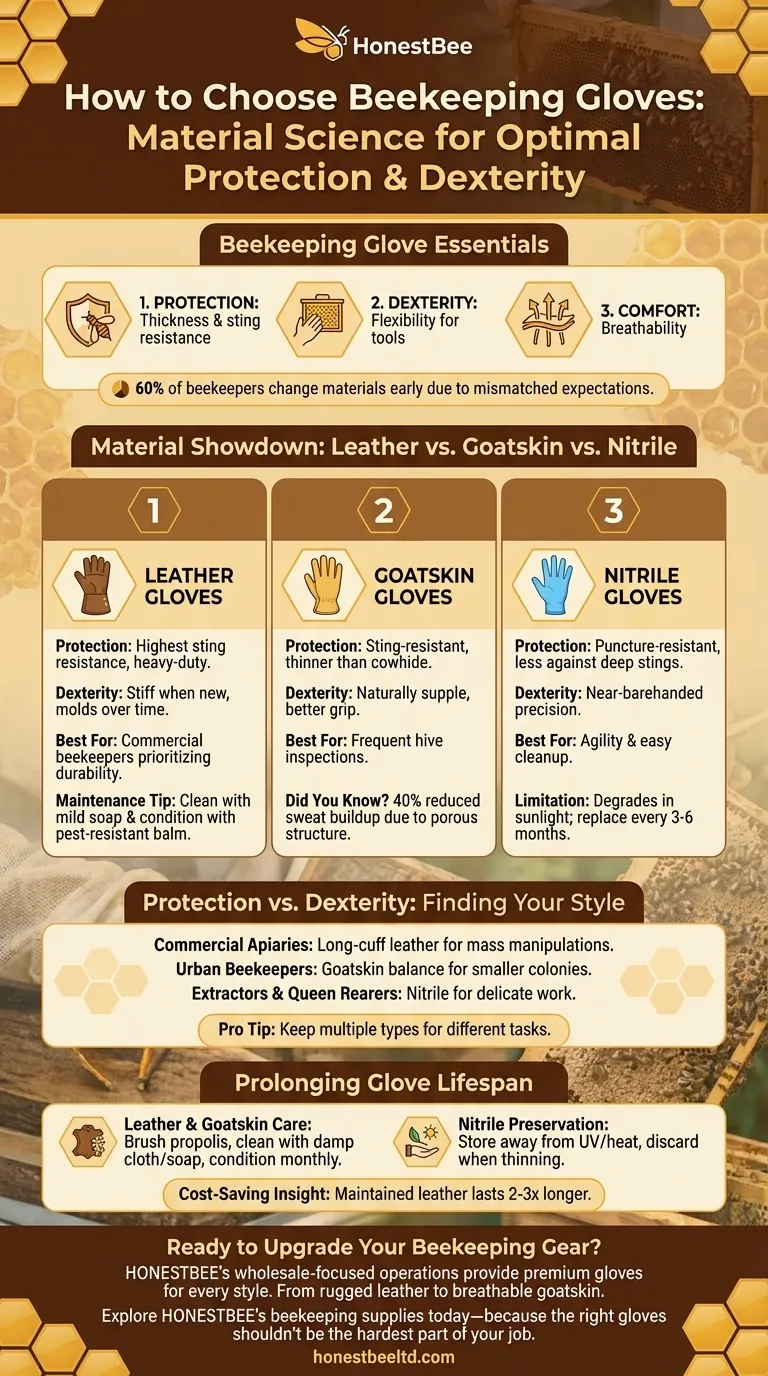
Beekeeping gloves must address three critical factors:
- Protection: Thickness and sting resistance
- Dexterity: Flexibility for handling frames and tools
- Comfort: Breathability for long inspections
Research shows that over 60% of beekeepers change glove materials within their first two seasons, often due to mismatched expectations. Whether you’re a hobbyist inspecting hives weekly or a commercial beekeeper managing hundreds of colonies, your glove choice impacts efficiency and safety.
Material Showdown: Leather vs. Goatskin vs. Nitrile
1. Leather Gloves
- Protection: Heavy-duty cowhide offers the highest sting resistance, ideal for aggressive colonies.
- Dexterity: Stiff when new but molds to hands over time.
- Best For: Commercial beekeepers prioritizing durability over fine motor tasks.
Maintenance Tip:
Clean with mild soap and water, then condition with a pest-resistant leather balm (e.g., beeswax-based products) to avoid attracting pests.
2. Goatskin Gloves
- Protection: Thinner than cowhide but still sting-resistant.
- Dexterity: Naturally supple, allowing better grip on tools.
- Best For: Frequent hive inspections where tactile sensitivity matters.
Did You Know? Goatskin’s porous structure improves breathability, reducing sweat buildup by up to 40% compared to synthetic materials.
3. Nitrile Gloves
- Protection: Puncture-resistant but less effective against deep stings.
- Dexterity: Near-barehanded precision for delicate tasks like queen rearing.
- Best For: Beekeepers who prioritize agility and easy cleanup.
Limitation: Nitrile degrades faster in sunlight—replace every 3–6 months with heavy use.
Protection vs. Dexterity: Finding Your Beekeeping Style
Scenario-Based Recommendations
- Commercial Apiaries: Opt for long-cuff leather gloves to protect forearms during mass hive manipulations.
- Urban Beekeepers: Goatskin’s balance of protection and flexibility suits smaller, docile colonies.
- Extractors & Queen Rearers: Nitrile exam gloves provide the precision needed for delicate work.
Pro Tip: Keep multiple glove types on hand. Many professionals use nitrile for routine checks and switch to leather during harvests.
Prolonging Glove Lifespan: Maintenance for Each Material
Leather & Goatskin Care
- Brush off propolis and wax after each use.
- Clean with a damp cloth and mild soap (avoid soaking).
- Condition monthly with a non-greasy balm to prevent cracking.
Nitrile Preservation
- Store away from UV light and extreme temperatures.
- Discard at the first sign of thinning or holes.
Cost-Saving Insight: Properly maintained leather gloves last 2–3x longer than neglected pairs, offsetting their higher upfront cost.
Ready to Upgrade Your Beekeeping Gear?
HONESTBEE’s wholesale-focused operations provide apiaries and distributors with premium gloves tailored to every beekeeping style. From rugged leather for commercial operations to breathable goatskin for hobbyists, our curated selection ensures you get the right protection without compromising productivity.
Explore HONESTBEE’s beekeeping supplies today—because the right gloves shouldn’t be the hardest part of your job.
Products You Might Be Looking For:
View professional beekeeping protective gear
Visual Guide
Related Products
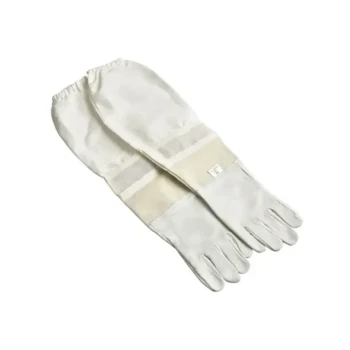
- Beekeeping Gloves Goatskin Leather with Long Cotton Sleeve for Beekeepers
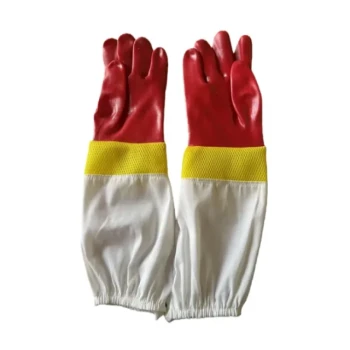
- Heavy Duty Red Rubber Beekeeping Gloves with Vented Mesh Cotton Sleeves
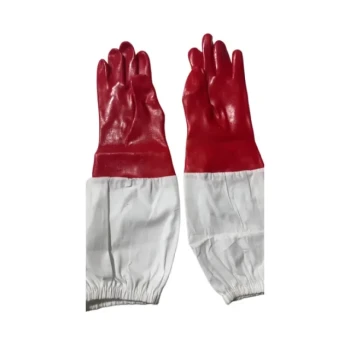
- Heavy Duty Red Rubber Beekeeping Gloves with Extended Pure Cotton Sleeves for Beekeepers
- Goatskin Leather Beekeeper Gloves with Vent Long Sleeve for Beekeeping Honey Bee Sting Proof Protection
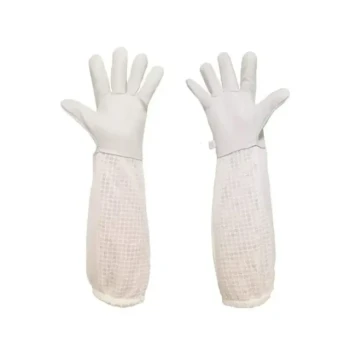
- Premium Ventilated Goatskin Beekeeping Gloves with Full 3-Layer Mesh Sleeve
Related Articles
- How Proper Storage Extends Beekeeping Glove Lifespan by Multiple Seasons
- The Second Skin: A Beekeeper's Guide to Glove Longevity and Apiary Health
- How to Choose Beekeeping Gloves: Material, Fit, and Care Explained
- Beyond the Sting: How Glove Hygiene Dictates Apiary Success
- More Than a Barrier: The Psychology of Glove Selection in Commercial Beekeeping