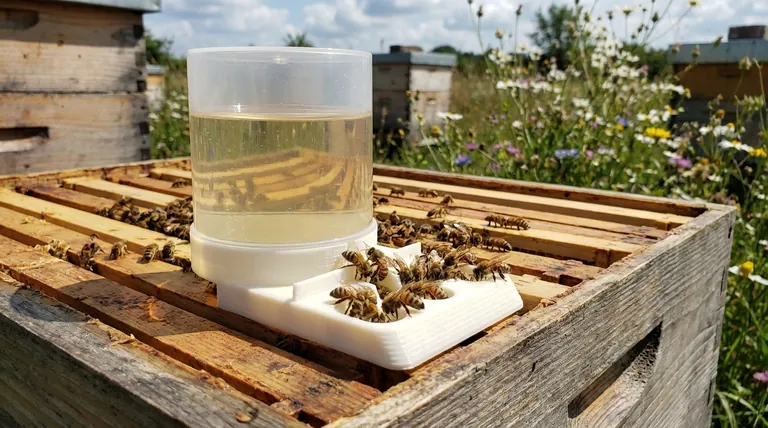
Beekeepers know mason jar feeders are indispensable for colony nourishment—but frequent replacements due to rust, clogging, or lid failures disrupt operations. This guide delivers actionable strategies to prolong feeder durability through preventive care and smart material choices, reducing costs for commercial apiaries and distributors.
Ensuring Bee Feeder Durability
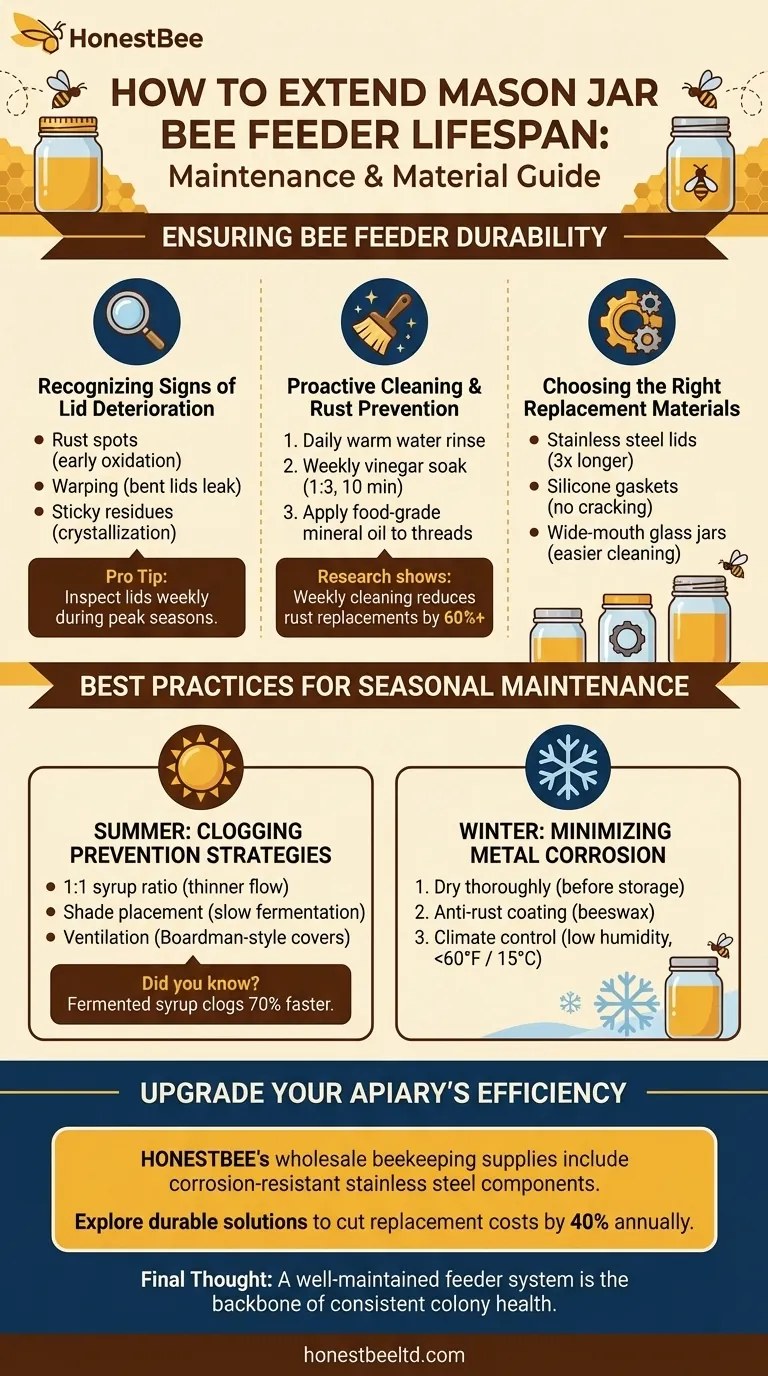
Mason jar feeders last years with proper upkeep. Focus on these three pillars:
Recognizing Signs of Lid Deterioration
- Rust spots: Early oxidation around lid threads weakens seals.
- Warping: Bent metal lids leak syrup, attracting pests.
- Sticky residues: Old syrup crystallizes, accelerating corrosion.
Pro Tip: Inspect lids weekly during peak feeding seasons.
Proactive Cleaning and Rust Prevention
- Daily rinse with warm water to remove syrup residues.
- Weekly deep clean: Soak lids in vinegar (1:3 ratio with water) for 10 minutes to dissolve buildup, then scrub with a soft brush.
- Rust inhibition: Apply food-grade mineral oil to threads after drying—creates a moisture barrier.
Research shows: Beekeepers who clean feeders every 3–5 days reduce rust-related replacements by over 60%.
Choosing the Right Replacement Materials
- Stainless steel lids: Resist corrosion 3× longer than galvanized steel.
- Silicone gaskets: Replace rubber seals prone to cracking.
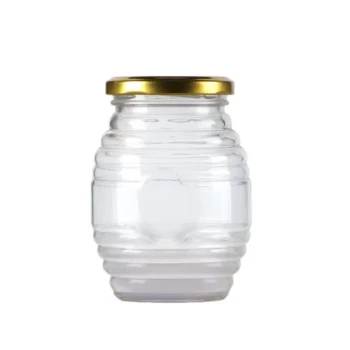
- Glass jar alternatives: Use wide-mouth jars for easier cleaning.
Best Practices for Seasonal Maintenance
Adapt your approach to weather extremes:
Summer Clogging Prevention Strategies
- Syrup ratios: Opt for 1:1 sugar-water mixes in heat—thinner consistency flows freely.
- Shade placement: Keep feeders under covers to slow fermentation.
- Ventilation: Use Boardman-style outer covers to reduce condensation inside jars.
Did you know? Fermented syrup clogs feeders 70% faster due to crystallized sugars.
Winter Storage to Minimize Metal Corrosion
- Dry thoroughly: Disassemble and air-dry components before storage.
- Anti-rust coating: Apply beeswax to metal parts for winter protection.
- Climate control: Store in low-humidity areas below 60°F (15°C).
Upgrade Your Apiary’s Efficiency
HONESTBEE’s wholesale beekeeping supplies include corrosion-resistant stainless steel feeder components designed for high-use commercial operations. [Contact us] to explore durable solutions that cut replacement costs by 40% annually.
Final Thought: A well-maintained feeder system isn’t just equipment—it’s the backbone of consistent colony health.
Visual Guide
Related Products
- Classic Boardman Entrance Bee Feeder Hive Front Feeding Solution
- Rapid Bee Feeder White Plastic 2L Round Top Feeder for 8 or 10-Frame Bee Hives
- White Plastic 0.5L Beekeeping Entrance Feeder for Bees
- HONESTBEE Entrance Bee Feeder Efficient Hive Front Liquid Feeding Solution for Beekeeping
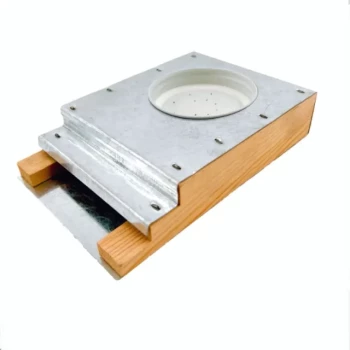
- Boardman Entrance Bee Feeder Durable Galvanized Steel and Wood Construction for Beekeeping
Related Articles
- How to Choose Between Frame and Gravity Feeders for Healthy Honey Bee Colonies
- How to Choose the Right Bee Feeder for Your Hive’s Health and Efficiency
- Hive Security: Why Bee Feeder Placement is a Matter of Life and Death
- An Engineer's Guide to Bee Feeders: Strategy, Psychology, and Hive Dynamics
- The Rate and the Ratio: How Bee Feeders Communicate with a Colony's Collective Mind