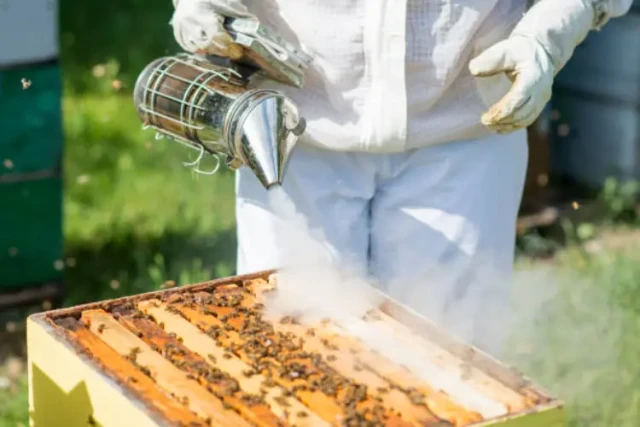
Beekeeping is a rewarding practice, but managing honeybees requires the right tools and techniques—especially when it comes to using a bee smoker. This guide demystifies the science behind smokers, provides step-by-step safety protocols, and shares pro tips to help beginners avoid common pitfalls.
How Bee Smokers Work: Science and Practicality
The Calming Effect of Smoke on Honeybees
Honeybees interpret smoke as a wildfire threat, triggering an instinctive response: they gorge on honey to "save" their colony’s resources, making them less aggressive. Research shows this distraction also masks alarm pheromones, reducing defensive behaviors during hive inspections.
Key Takeaway: Smoke doesn’t sedate bees—it temporarily redirects their focus. Overuse can stress the colony, so moderation is critical.
Key Components of a Bee Smoker
A well-designed smoker includes:
- Firebox: Where fuel burns (typically 4×7 inches for easy handling).
- Bellows: Controls airflow to regulate smoke density.
- Heat Shield: Protects hands from burns.
- Hanging Hook: Optional but useful for hands-free operation.
Pro Tip: Opt for a smoker with a sturdy heat shield; beginners often misjudge safe distances from the firebox.
Step-by-Step Operation with Pro Tips
Preparing and Igniting Fuel Safely
- Choose the Right Fuel: Dry pine needles, burlap, or wood pellets ignite easily and produce cool, thick smoke. Avoid treated materials (e.g., cardboard with ink).
- Pack Loosely: Overstuffing blocks airflow. Fill the firebox halfway, leaving space for embers to form.
- Light Evenly: Use a butane lighter to ignite edges first. Let flames stabilize before closing the lid.
Safety Note: Always work outdoors or in a well-ventilated area—inhaling smoke harms both you and the bees.
Controlling Smoke Output with Bellows
- Gentle Pumps: 2–3 slow squeezes every 30 seconds maintain steady smoke. Rapid pumping risks overheating.
- Aim Away: Direct smoke toward the hive entrance or top bars, not directly at bees.
Why It Matters: Sudden flares scare bees, counteracting the smoker’s purpose.
Advanced Optimization and Risk Mitigation
Choosing the Right Fuel for Long-Lasting Smoke
| Fuel Type | Burn Time | Best For |
|---|---|---|
| Wood pellets | ~20 minutes | Extended hive inspections |
| Burlap strips | ~10 minutes | Quick checks |
| Pine needles | ~15 minutes | Balanced use |
Beginner Mistake: Using damp fuel creates acrid smoke, irritating bees. Store fuel in a dry container.
Avoiding Common Mistakes
- Overheating: A smoker’s exterior shouldn’t glow. If it’s too hot to touch, let it cool before refueling.
- Sudden Flares: Open the lid slightly to reduce oxygen if flames grow uncontrollably.
Post-Use Maintenance for Durability
- Extinguish Completely: Douse embers with water or let them burn out in a fireproof area.
- Clean Residue: Empty ash after each use to prevent corrosion.
- Store Dry: Moisture rusts the firebox. Hang the smoker upside down in a sheltered space.
Pro Tip: A well-maintained smoker lasts years—neglect shortens its lifespan significantly.
Ready to Elevate Your Beekeeping?
Mastering your smoker is just the beginning. HONESTBEE equips commercial apiaries and distributors with durable, safety-focused beekeeping supplies—because calm bees mean productive hives.
Explore our wholesale catalog today and experience the difference quality tools make.
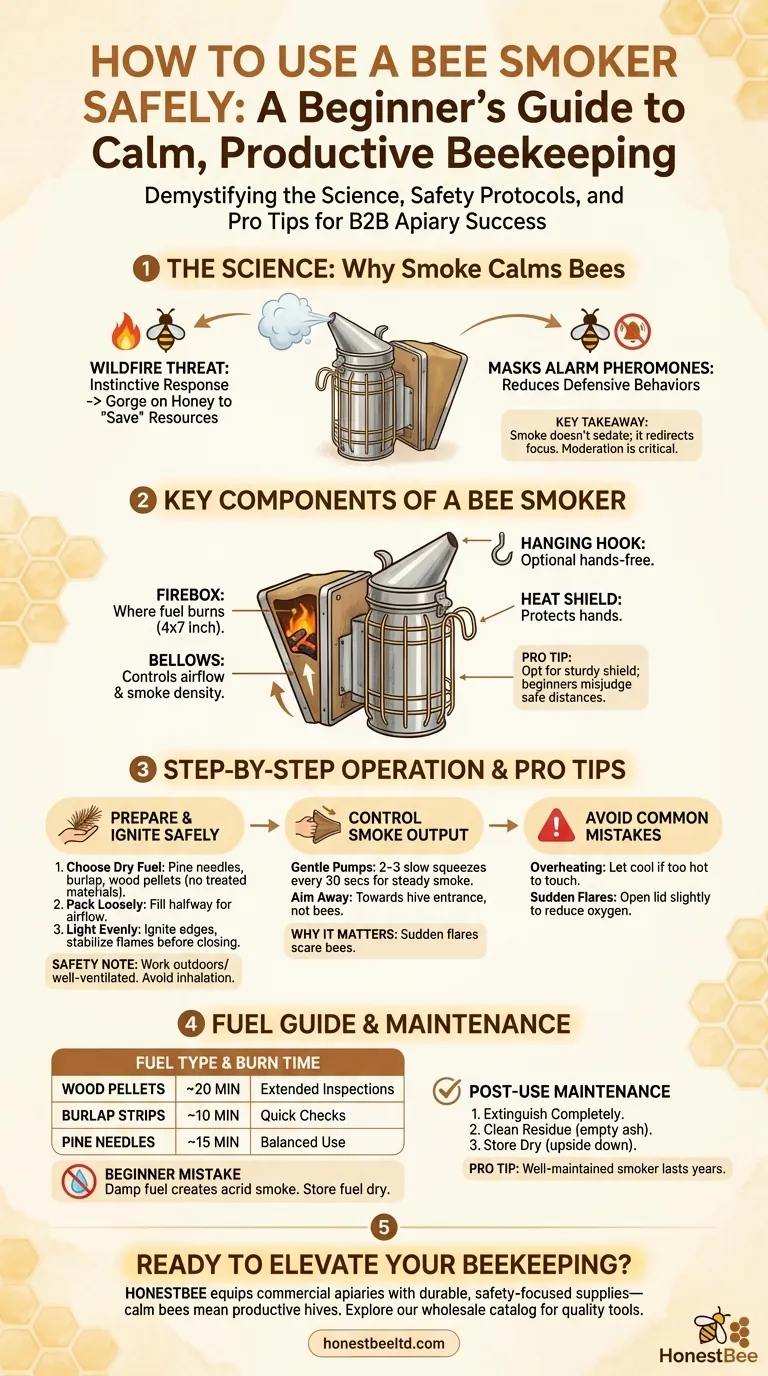
Visual Guide
Related Products
- Stainless Steel Honey Bee Smoker Hive and Honeycomb Smoker for Beekeeping
- Professional Bee Smoker with Elongated Spout and Durable Bellows for Beekeeping
- Premium Traditional Copper Bee Smoker with Bellows
- Heavy Duty Manual Bee Smoker Blower for Beekeeping
- European Stainless Steel Bee Smoker for Honey Bee Hive
Related Articles
- The End of 'Hot Hives': Why Your Bee Smoker Is More Important Than Your Suit
- Why Your Bee Smoker Might Be Making Your Hives More Aggressive—And How to Fix It
- Why Your Bee Smoker Keeps Going Out—And the 3-Layer Fix
- How to Operate a Bee Smoker Safely: Expert Techniques for Calmer Hives
- How to Choose the Right Bee Smoker Size for Your Beekeeping Operation