The Perfection Paradox
Honey is one of nature’s most resilient creations. Found in ancient tombs, still perfectly edible after millennia, its longevity feels almost mythical.
But this resilience isn't guaranteed. It hinges on a simple, often overlooked variable: its container. Honey's near-immortality is the result of a delicate chemical balance. The role of a proper container is not to add anything, but to defend that balance with absolute vigilance. It is less a vessel and more a fortress.
Honey’s Two Unseen Enemies
To understand why the choice of container is so critical, we have to understand what we are fighting against. The threats are not dramatic, but slow, ambient forces: moisture and chemical reactivity.
The Threat of Water
Honey is hygroscopic. It’s a beautifully technical term that means it has a powerful, persistent thirst for water. It will actively pull moisture from the surrounding air.
Inside every jar of honey lie dormant yeast spores, waiting. In honey's natural, low-moisture state (below 18.6% water content), they remain asleep. But if an inadequate seal allows ambient humidity to creep in, raising the water content, these yeasts awaken. The result is fermentation—the one process that can truly spoil honey.
An airtight seal is not a suggestion; it is the command that keeps this dormant army from waking.
The Threat of Reaction
Honey is also acidic, with a pH typically between 3.5 and 4.5. This acidity is a key part of its defense system, making it inhospitable to bacteria.
However, this same acidic nature can become a liability. When placed in contact with the wrong materials—specifically reactive metals—it begins a slow, corrosive chemical reaction. This process, oxidation, not only ruins the container but also leaches metallic compounds into the honey, tainting its flavor and compromising its safety.
The Materials Science of Preservation
Your choice of container is a choice of chemistry. You are selecting a material to serve as an inert, impassive guardian for decades.
H3: Glass: The Gold Standard
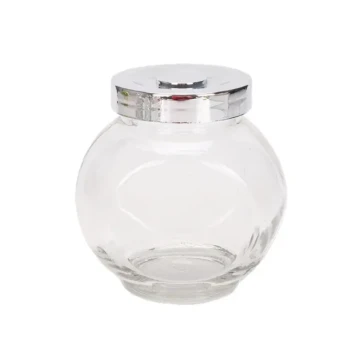
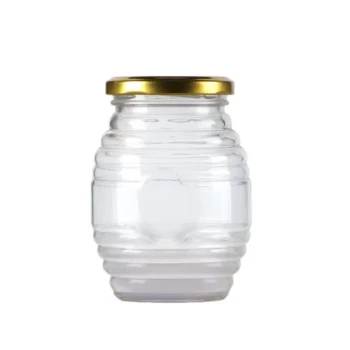
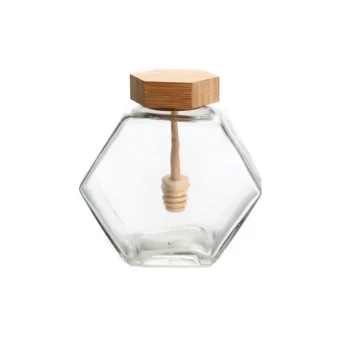
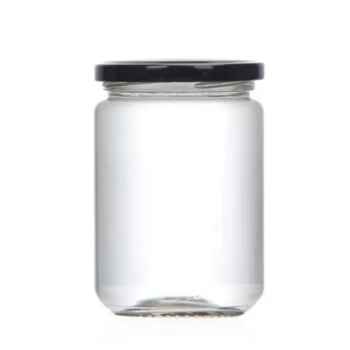
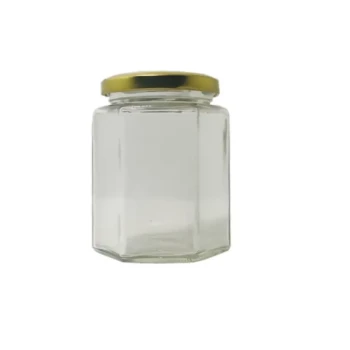
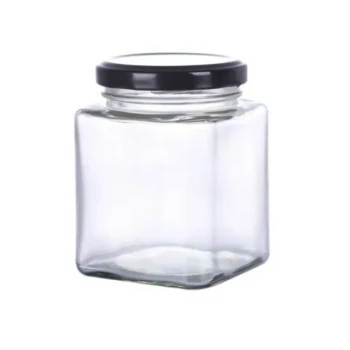
Glass is the superior choice for one simple, elegant reason: it is chemically inert. It makes no bargains with the honey it holds. It will not react, corrode, or impart any flavor.
Furthermore, glass is impermeable. Its molecular structure is a tight, unyielding barrier to both moisture and oxygen. It offers the purest form of isolation, ensuring that the honey you store today is the exact same honey you open years from now. For archival preservation, there is no substitute.
H3: Food-Grade Plastic: The Pragmatic Alternative
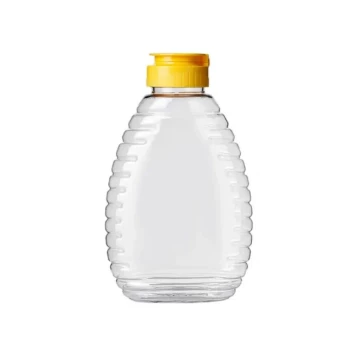
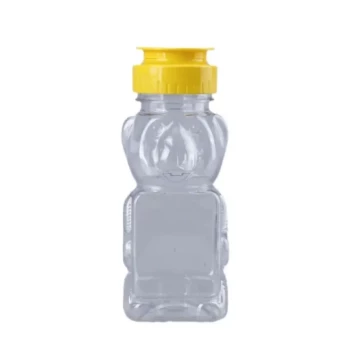
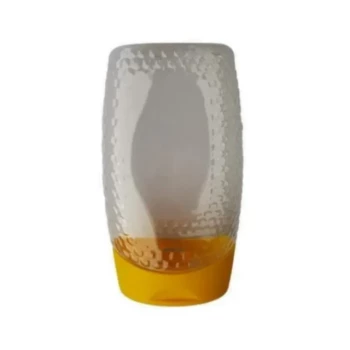
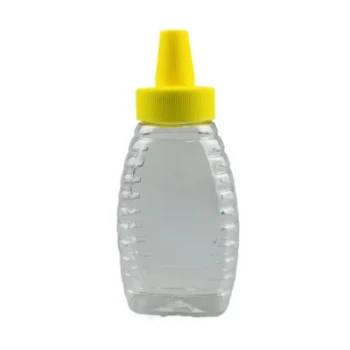
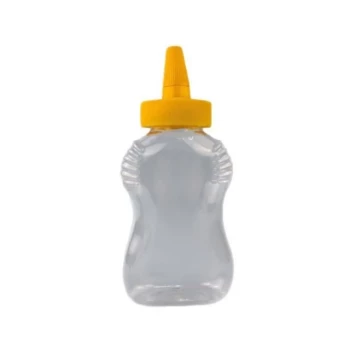
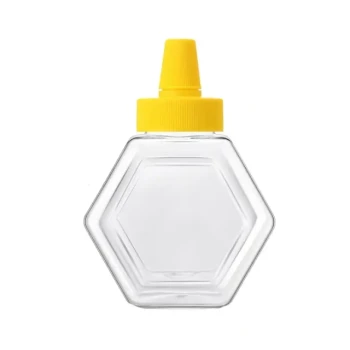
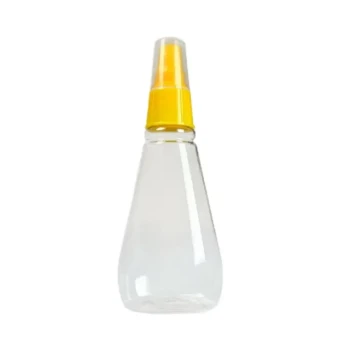
The plastic container your honey often comes in is perfectly safe and functional. It's lightweight, durable, and convenient for everyday use and commercial distribution. For beekeepers and distributors, it offers a practical balance of cost, safety, and performance.
However, it's important to understand its limitation from a purist’s perspective. Over very long periods, plastic is slightly more permeable to air than glass. For storage measured in years, not decades, it is an excellent choice. But for indefinite preservation, glass remains the undisputed champion.
H3: Metal: The Forbidden Material
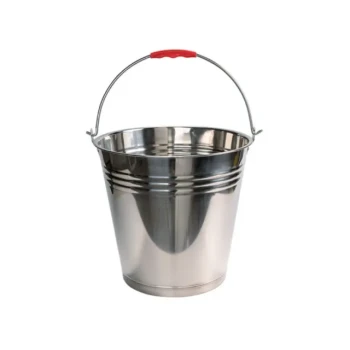
Storing honey in a metal container is a fundamental mistake. It is not a matter of preference but a matter of chemistry. The honey's natural acidity will inevitably oxidize the metal, leading to corrosion.
This reaction destroys the honey's delicate flavor profile with a harsh metallic taste. It is one of the few ways to actively ruin a perfectly good harvest. Unlined metal lids can pose the same risk, making the seal as important as the jar itself.
A Bet on the Future
The container you choose is a reflection of your intent. Are you preparing honey for immediate sale, or are you preserving a golden harvest for the long term? Each goal requires a different calculation of risk, cost, and practicality.
For the commercial apiary, where quality is reputation, these choices are magnified. The container is the final handshake with the customer, a promise that the contents have been protected from hive to home.
| Container Type | Best Use Case | Key Characteristic |
|---|---|---|
| Glass Jar | Archival, long-term preservation | Inert and impermeable; the ultimate protector. |
| Food-Grade Plastic | Commercial distribution, daily use | Practical, safe, and durable for short-to-medium term. |
| Metal Container | Avoid at all costs | Reacts with honey's acidity, causing corrosion. |
Ensuring your honey's integrity requires more than just careful harvesting; it demands a deep understanding of preservation. For commercial operations, sourcing reliable, high-quality storage solutions is a non-negotiable part of the process. HONESTBEE specializes in providing durable, wholesale-focused containers that protect the value and quality of your product. To secure the future of your harvest, Contact Our Experts.
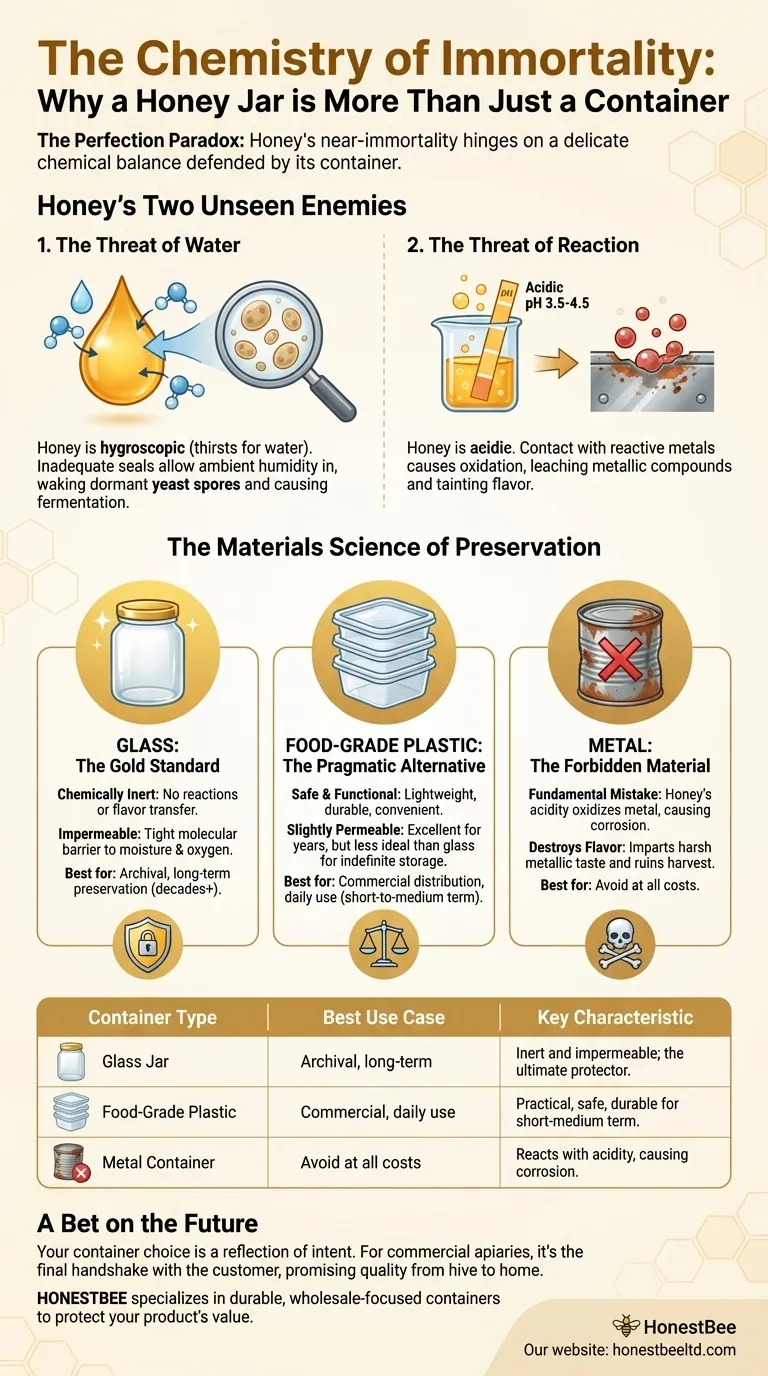
Visual Guide
Related Products
- Classic Drum Shaped Glass Honey Jar with Airtight Lid
- Classic Glass Honey Jar with Metal Lug Cap for Beehive Storage
- Squeezable No-Drip Beehive-Shaped Honey Jars with Flip-Top Cap
- Hexagonal Glass Honey Jar with Wooden Lid Integrated Dipper Elegant Functional Storage
- Classic Honey Bear Jars with Flip Top Dispensing Cap for Liquid Sweeteners
Related Articles
- Anatomy of a Honey Jar: A Story of Chemistry, Psychology, and Logistics
- How Glass Jars Preserve Honey Purity While Supporting Sustainable Beekeeping
- The Hidden Threat After Harvest: Why a Simple Lid Prevents Apiary Disaster
- How to Choose Honey Storage Containers That Prevent Spoilage and Extend Shelf Life
- How Honey Storage Science Preserves Nutrients: Temperature, Light & Container Insights