The First Five Minutes
In commercial beekeeping, the first five minutes of a hive inspection dictate the next fifty. It's a period of delicate negotiation. The air thrums with the energy of fifty thousand lives, a superorganism operating with an intelligence far greater than the sum of its parts.
Your first action is not with a hive tool, but with a smoker. This simple device isn't for subduing bees. It’s for communicating. Your goal is to temporarily interrupt their primary alarm system—the release of ethyl oleate—to let them know your intentions are benign.
Getting this communication right, every single time, is not a matter of luck. It’s a matter of physics and discipline.
A Controlled Interruption
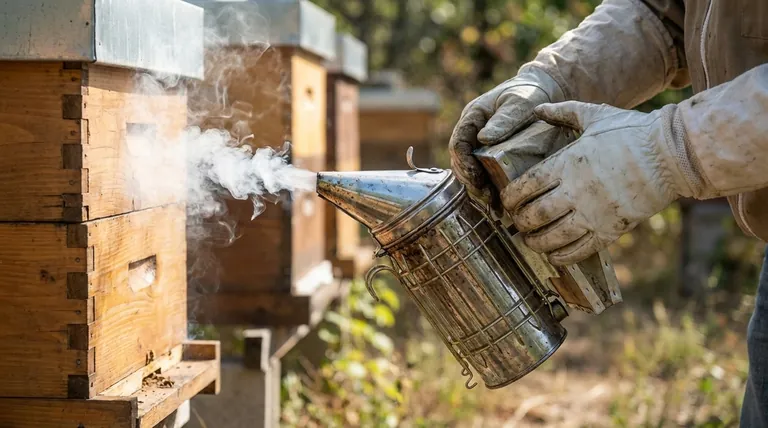
The success of a smoker lies in producing a steady supply of cool, white smoke. Hot, thin smoke from an open flame signals danger and can harm the bees. The cool, thick smoke of a smoldering fire, however, achieves the desired effect.
It masks the alarm pheromone, encouraging the bees to revert to a more primal instinct: consuming honey in preparation for a potential hive evacuation. This makes them calmer and less defensive.
Achieving this state requires a mastery of controlled combustion in a small, portable chamber. It’s a delicate thermodynamic balance.
The Anatomy of a Reliable Smoker
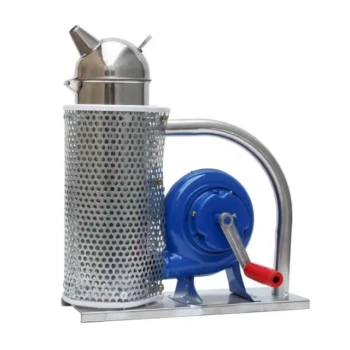
For a commercial operation, your smoker is not just a tool; it's a critical piece of operational equipment. Its reliability hinges on understanding its simple but crucial components.
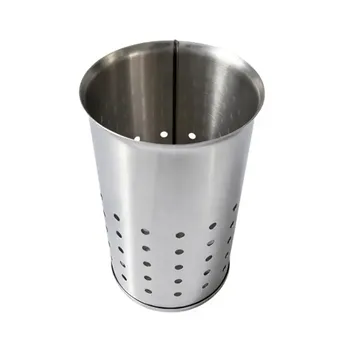
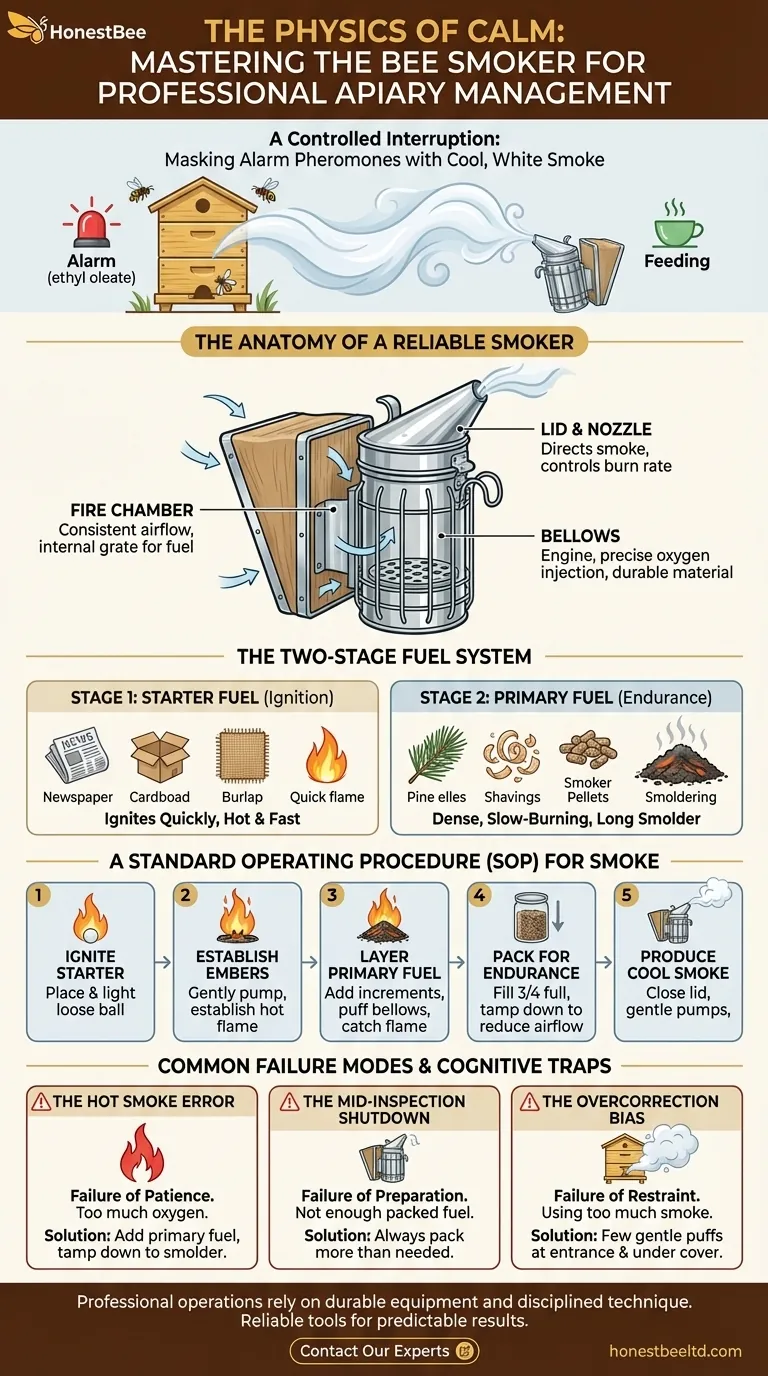
- The Fire Chamber: This is your combustion vessel. In a professional-grade smoker, it's designed for consistent airflow, often with an internal grate to prevent the fuel from smothering itself.
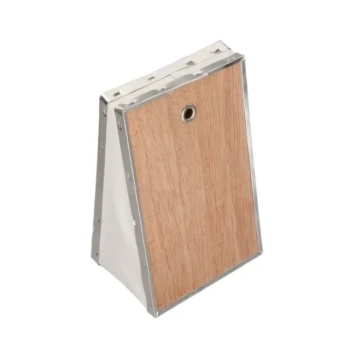
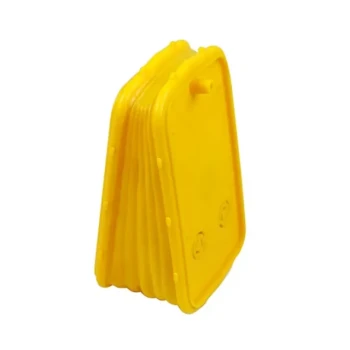
- The Bellows: The engine of your smoker. Each pump injects a precise amount of oxygen, stoking the embers. The durability of the bellows material is paramount when you're working hundreds of hives a week.
- The Lid & Nozzle: This directs the smoke and controls the burn rate. A well-fitted lid prevents fuel from burning too quickly, ensuring your smoker lasts through multiple inspections without needing a relight.
The Two-Stage Fuel System
Consistent smoke production depends on a two-stage fuel strategy. You need a material that ignites quickly to establish a coal bed, and another that smolders slowly for endurance.
- Stage 1: Starter Fuel (Ignition): This is your catalyst. It needs a low flash point. Crumpled newspaper, untreated cardboard, or natural burlap scraps are perfect. Their job is to burn hot and fast to ignite the main fuel.
- Stage 2: Primary Fuel (Endurance): This is your engine. It must be dense and slow-burning. Pine needles, wood shavings (not fine sawdust), or specialty smoker pellets provide the long, smoldering burn required for professional work.
A Standard Operating Procedure for Smoke
For efficiency at scale, intuition must be backed by a repeatable process.
- Ignite the Starter: Place a loose ball of starter fuel in the bottom of the chamber and light it.
- Establish Embers: Gently pump the bellows to ensure the starter is burning well, creating a small, hot flame.
- Layer the Primary Fuel: Add your primary fuel in small increments, puffing the bellows after each addition to ensure it catches. Don't dump it all in at once.
- Pack for Endurance: Continue adding primary fuel until the chamber is about three-quarters full. Use your hive tool to gently tamp it down, reducing airflow to encourage smoldering over flaming.
- Produce Cool Smoke: Close the lid. A few more gentle pumps should produce the thick, cool, white smoke you need.
Common Failure Modes and Cognitive Traps
In any system, understanding failure is the key to reliability. With a bee smoker, the most common errors are often psychological.
The Hot Smoke Error: A Failure of Patience
Seeing flames shoot from the nozzle is a common mistake for the impatient. It means too much oxygen and not enough packed fuel. The cognitive trap is to rush the process. The solution is to add more primary fuel and tamp it down, forcing the fire to smolder rather than rage.
The Mid-Inspection Shutdown: A Failure of Preparation
A smoker going out mid-inspection is more than an annoyance; it's a breakdown in workflow that can agitate a previously calm hive. This is a failure to pack enough fuel for the job. The bias is underestimating how long an inspection might take. Always pack more fuel than you think you need.
The Overcorrection Bias: A Failure of Restraint
More is not always better. The goal is a few gentle puffs at the entrance and under the cover, not to fill the hive with smoke. Using too much is a classic overcorrection. It stresses the colony, can drive the queen into hiding, and may even taint the honey. It’s a sign of an operator who doesn’t trust their tool or their technique.
Mastering the smoker is a foundational skill. It's the first step in a quiet conversation with your hives. For a commercial apiary, where efficiency and colony health are directly tied to revenue, the quality and reliability of your equipment are non-negotiable. A faulty bellow or a warped lid is a liability your operation cannot afford.
That’s why professionals rely on durable, thoughtfully designed equipment built for the rigors of daily use.
When your livelihood depends on the smooth, predictable function of every tool in your arsenal, ensure you are starting with the best. Contact Our Experts
Visual Guide
Related Products
- Stainless Steel Honey Bee Smoker Hive and Honeycomb Smoker for Beekeeping
- Professional Bee Smoker with Elongated Spout and Durable Bellows for Beekeeping
- Heavy Duty Manual Bee Smoker Blower for Beekeeping
- Premium Traditional Copper Bee Smoker with Bellows
- European Stainless Steel Bee Smoker for Honey Bee Hive
Related Articles
- The End of 'Hot Hives': Why Your Bee Smoker Is More Important Than Your Suit
- Why Your Bee Smoker Might Be Making Your Hives More Aggressive—And How to Fix It
- Why Your Bee Smoker Keeps Going Out—And the 3-Layer Fix
- How to Operate a Bee Smoker Safely: Expert Techniques for Calmer Hives
- How to Choose the Right Bee Smoker Size for Your Beekeeping Operation