The 4 AM Mistake
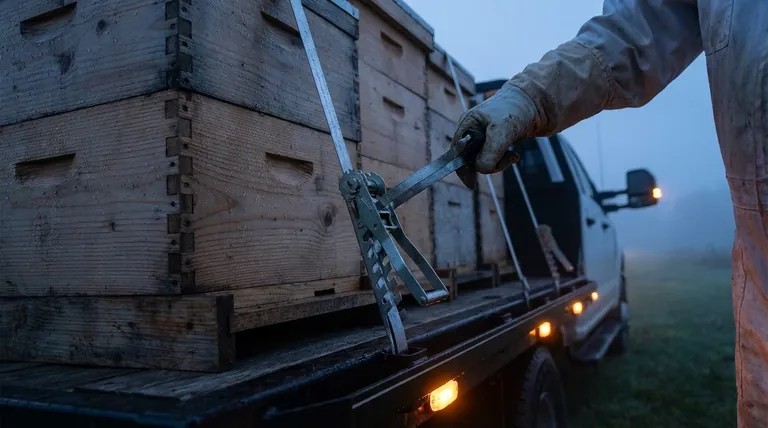
It’s 4 AM. The air is cool and smells of damp earth and honey. A flatbed truck idles, its low rumble the only sound for miles. On its deck sit two hundred beehives, a silent, buzzing city of millions ready to be moved to the almond groves for pollination.
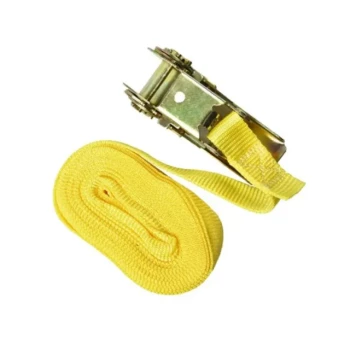
The beekeeper pulls a heavy strap over the top row, threads it through a ratchet, and starts cranking. The goal is simple: make the hives immovable. The instinct is primal: tighter is better. But in that simple, physical act lies a hidden and costly point of failure.
This isn't a story about the strength of the strap. It's about the invisible force we apply to it, and how our intuition about "making things secure" often leads us directly to disaster.
The Psychology of "Tight Enough"
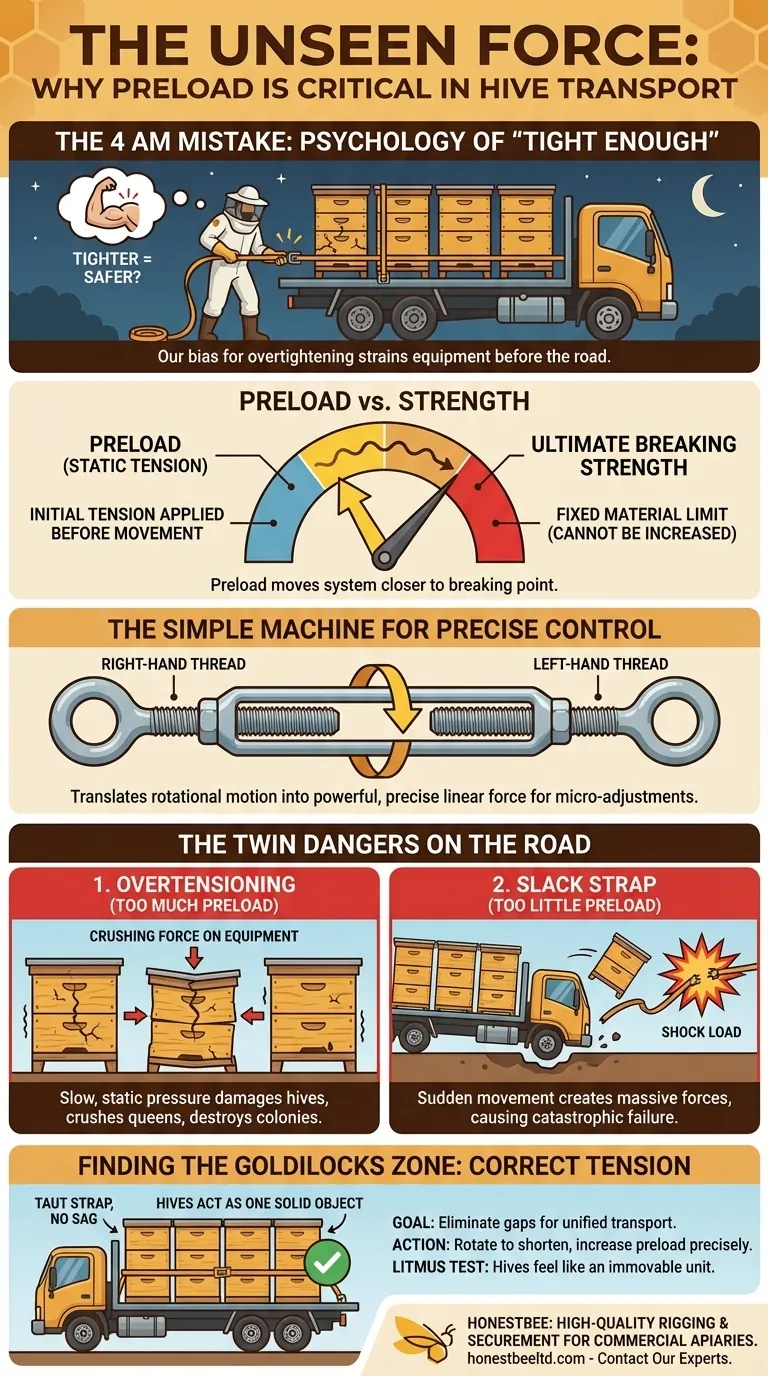
We have a cognitive bias for overtightening. A strap that groans under tension feels more secure than one that is merely snug. We mistake the strain on our muscles for a measure of safety.
But this feeling is a trap. The tension we apply—the preload—is not the same as the connection's ultimate breaking strength. Applying excessive tension doesn't make the system stronger; it just moves it closer to its breaking point before it ever sees a real-world load.
It's a delicate balance, and getting it wrong has consequences that go far beyond a snapped strap.
It's Not About Strength; It's About Preload
The breaking strength of a strap, cable, or turnbuckle is a fixed property of its material and construction. You cannot change it by pulling harder.
What you can change is the amount of static tension within the system before it experiences any operational forces, like the bounce and sway of a truck on a rough road. This is preload.
The goal of securing a load of hives is not to test the limits of the equipment. The goal is to apply just enough preload to consolidate the individual hives into a single, solid mass that moves with the truck, preventing any shifting or vibration.
The Simple Machine for Precise Control
This precise control is made possible by an elegant piece of engineering: the screw thread, often found in a tensioning device like a turnbuckle.
A turnbuckle body connects two threaded eye bolts—one with a right-hand thread and the other with a left-hand thread. When you rotate the body, both bolts are drawn inward or pushed outward simultaneously.
This simple mechanism translates easy rotational motion into powerful, precise linear force. It allows for micro-adjustments, letting you dial in the exact tension required, rather than relying on brute force and guesswork.
The Twin Dangers on the Road
Improper tensioning creates two distinct paths to failure, and both are equally catastrophic for a commercial beekeeping operation.
1. The Peril of Overtensioning
When you apply too much preload, the tension itself becomes the primary threat.
The immense force doesn't just strain the strap; it transfers directly to the equipment. Wooden hive bodies can warp or crack. Lids and bottom boards, the structural anchors, can be crushed. This slow, static pressure can cause frames to shift inside the hive, potentially crushing a queen and destroying the colony's productivity. The failure here isn't sudden; it's a quiet crushing of your assets.
2. The Danger of the Slack Strap
A connection that's too loose is arguably more dangerous. A strap that is merely laid over the hives without sufficient preload is a ticking time bomb.
When the truck hits a pothole or swerves, the unsecured hives will shift. The slack in the strap vanishes in an instant, and the connection experiences a sudden shock load. This jolt generates forces many times greater than the static weight of the hives, leading to immediate, spectacular failure. A strap can snap, an anchor point can rip free, and hives can topple from the truck.
Finding the Goldilocks Zone
The correct amount of tension is entirely dependent on the goal: creating a stable, unified block for transport. It’s a matter of control, not force.
- Your Goal: Eliminate all gaps and potential for movement between hives. The tension should be sufficient to make the entire stack act as one solid object.
- The Action: Rotate the tensioner's body to shorten its length, pulling the connection points together and increasing preload.
- The Litmus Test: The hives should feel like a single, immovable unit on the truck bed. The strap should be taut, with no visible sag, but not so tight that it deforms the woodenware.
This level of precision requires equipment you can trust—hardware that allows for fine adjustments and is rated for the loads it will endure, both static and dynamic.
Securing your livelihood for transport is an engineering challenge masquerading as a simple task. Understanding the physics of preload is the first step; using professional-grade, reliable equipment is the second. HONESTBEE specializes in supplying robust beekeeping equipment, including high-quality rigging and securement hardware, designed for the demands of commercial apiaries.
If you need equipment that provides control and security you can count on, Contact Our Experts.
Visual Guide
Related Products
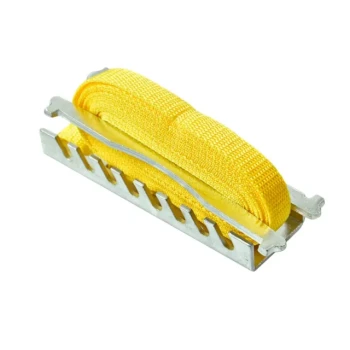
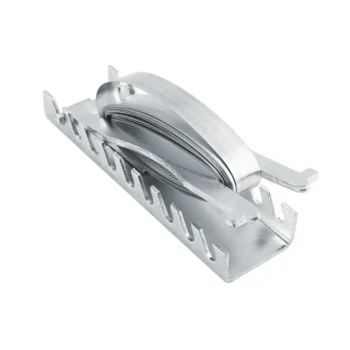
- Professional Galvanized Hive Strap with Secure Locking Buckle for Beekeeping
- Heavy-Duty Nylon Beehive Hive Strap with Stainless Steel Cinch Buckle
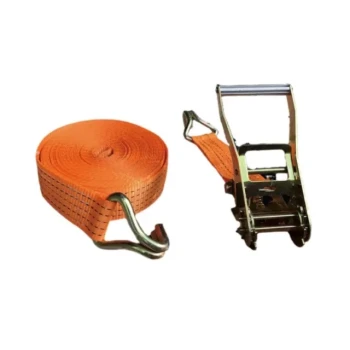
- Heavy Duty Ratchet Hive Strap
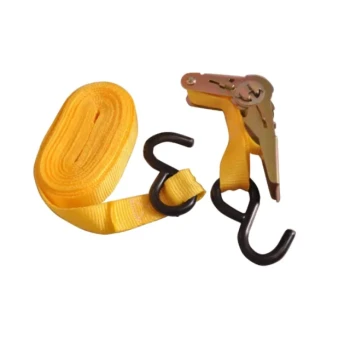
- Versatile Ratchet Hive Strap with S-Hooks for Secure Fastening
- High Security Emlock Strap System
Related Articles
- How to Store Hive Straps Properly to Prevent Damage and Boost Efficiency
- The Physics of Apiary Security: Why Your Hive Strap Material Matters More Than You Think
- The Hidden Reason Your Hive Straps Keep Loosening—And How to Fix It for Good
- The Physics and Psychology of Securing a Beehive: A Guide to Hive Straps
- The Mechanics of Trust: Why Your Hive Strap Choice is More Than Just a Purchase