Nitrile gloves are a widely accepted and effective option for beekeeping, provided you understand they are designed for sensitivity rather than heavy armor. While they are fully capable of being used for hive inspections, they are not thick enough to be considered sting-proof.
Core Takeaway: Nitrile gloves trade absolute protection for superior dexterity and hygiene. By allowing you to feel what you are touching, you can handle frames more gently and avoid crushing bees, which often results in a calmer colony and fewer defensive strikes than clumsy handling with thick leather gloves.
The Operational Advantages
Maximizing Dexterity and Precision
The primary advantage of nitrile gloves is that they offer tactile sensitivity equivalent to working barehanded.
Traditional leather gloves can be bulky, making it difficult to grab frame ears or feel if you are accidentally squeezing a bee. Nitrile allows for precise manipulation of hive components, significantly reducing the clumsiness that often provokes the colony.
Reducing Sting Severity
Although the primary reference notes that nitrile is not thick enough to prevent a sting entirely, it offers a specific mechanical advantage.
The material creates a barrier that helps prevent the stinger from embedding deeply into the skin. If a sting does occur, the glove material makes it easier to remove the stinger quickly, potentially reducing the amount of venom injected. Furthermore, the smooth texture of nitrile may make the skin appear less like a target to the bees compared to animal hide or fabric.
Improving Apiary Sanitation
From a biosecurity standpoint, disposable nitrile gloves are superior to reusable leather gauntlets.
Because they are disposable, you can use a fresh pair for every inspection. This eliminates the risk of cross-contamination, preventing the transfer of pathogens, pests, or chemical residues from one colony to another.
Understanding the Trade-offs
The Wrist Gap Vulnerability
The most critical limitation cited in the primary reference is the short cuff length.
Unlike beekeeping gauntlets that extend up the forearm, standard nitrile gloves stop at the wrist. This creates a dangerous gap between the glove and your bee suit. Beekeepers must ensure their suit or jacket sleeves are long enough and secured tightly (often with thumb loops) to ensure the wrists remain fully covered.
Limited Puncture Resistance
You must operate with the understanding that protection is not guaranteed.
While nitrile resists punctures better than latex, a determined bee can sting through the material. If you are working with a particularly aggressive hive or "hot" colony, nitrile offers minimal defense compared to thick leather or canvas.
Durability and Comfort Issues
Nitrile is less durable than traditional gear. They can tear on sharp hive tools or wooden splinters, requiring immediate replacement during an inspection to maintain the barrier.
Additionally, nitrile is non-breathable. In hot weather, this leads to significant perspiration inside the glove. Some beekeepers mitigate this by wearing thin cotton liners underneath to absorb moisture, though this slightly reduces dexterity.
Making the Right Choice for Your Goal
Select your gear based on your experience level and the temperament of your hives.
- If your primary focus is Precision and Hygiene: Choose nitrile gloves to maximize tactile feedback and prevent disease spread between hives.
- If your primary focus is Maximum Protection: Stick to thick leather or canvas gauntlets, especially when working with aggressive colonies or during bad weather.
- If your primary focus is a Hybrid Approach: Consider wearing nitrile gloves underneath a heavier pair of gloves, giving you a backup layer if you need to remove the outer bulky gloves for a delicate task.
Ultimately, the best protection against stings is gentle, confident handling, which nitrile gloves facilitate better than any other material.
Summary Table:
| Feature | Nitrile Gloves | Traditional Leather Gloves |
|---|---|---|
| Dexterity | High - Skin-like sensitivity | Low - Bulky and clumsy |
| Sting Protection | Minimal - Reduces stinger depth | High - Nearly sting-proof |
| Sanitation | Excellent - Disposable/Single-use | Poor - Hard to clean/Disinfect |
| Breathability | Low - Causes perspiration | Moderate - Natural material |
| Risk of Crushing Bees | Very Low - Precise handling | Higher - Lack of tactile feel |
Elevate Your Apiary Management with HONESTBEE
At HONESTBEE, we understand that the right tools are essential for healthy hives and high yields. Whether you are a large-scale commercial apiary or a dedicated distributor, we provide the full spectrum of high-quality beekeeping equipment—from precision-grade protective gear and specialized consumables to advanced honey-filling and hive-making machinery.
Why partner with HONESTBEE?
- Comprehensive Wholesale Catalog: One-stop shop for all beekeeping hardware and consumables.
- Industry Expertise: Solutions tailored for commercial-scale efficiency.
- Diverse Portfolio: Including unique honey-themed cultural merchandise to expand your retail reach.
Ready to scale your beekeeping operations? Contact our expert team today to learn more about our wholesale solutions and how we can support your business growth.
Related Products
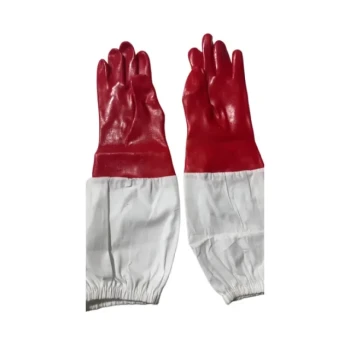
- Heavy Duty Red Rubber Beekeeping Gloves with Extended Pure Cotton Sleeves for Beekeepers
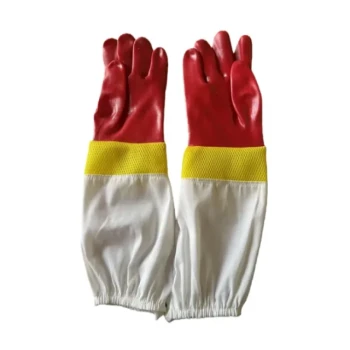
- Heavy Duty Red Rubber Beekeeping Gloves with Vented Mesh Cotton Sleeves
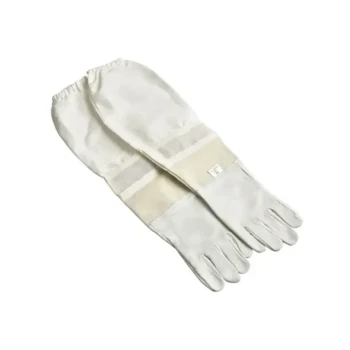
- Beekeeping Gloves Goatskin Leather with Long Cotton Sleeve for Beekeepers
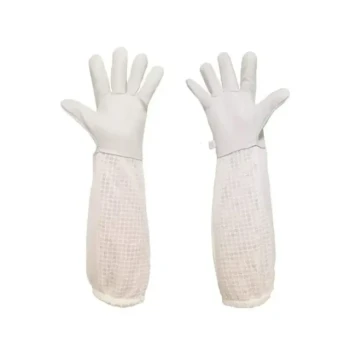
- Goatskin Leather Beekeeper Gloves with Vent Long Sleeve for Beekeeping Honey Bee Sting Proof Protection
- Premium Ventilated Goatskin Beekeeping Gloves with Full 3-Layer Mesh Sleeve
People Also Ask
- When might a beekeeper decide to work without gloves? Master Hive Finesse and Dexterity
- Why is cleaning beekeeping gloves necessary? Vital Steps for Apiary Biosecurity and Hive Management
- What factors should be considered when selecting beekeeping gloves? Balance Protection and Dexterity
- What are the benefits of properly cleaning and storing beekeeping gloves? Protect Your Bees, Safety & Investment
- Why is personal preference important when choosing beekeeping gloves? Find Your Perfect Fit for Protection & Dexterity