Commercial apiaries should adopt a complete Varroa IPM kit, not a larger stock of one acaricide. The essential equipment includes screened bottom boards with removable sticky trays, alcohol-wash sampling kits, calibrated treatment dispensers, and protective application equipment for organic acids and other approved treatments. Larger operations should also add drone-comb frames, hygienic-behavior assay supplies, and queen-rearing tools so they can combine monitoring, mechanical control, treatment rotation, and genetic improvement.
Varroa resistance is best managed by measuring mite levels before and after intervention, then combining multiple control methods. The right product portfolio therefore includes diagnostic consumables, physical-control hardware, precision treatment tools, and breeding equipment rather than relying on continuous synthetic miticide use.
Build the Monitoring Foundation
Screened Bottom Boards and Sticky Trays
Screened bottom boards with replaceable sticky monitoring trays provide a practical way to measure natural mite drop and support routine hive surveillance.
Trays should be durable, easy to remove, and simple to inspect across many colonies. Adhesive inserts or coated monitoring sheets should be supplied in sufficient quantities for repeated sampling during high-risk periods.
Natural mite-drop counts are useful for trend monitoring, but they should not be treated as the only diagnostic method. Commercial managers should use them alongside a standardized adult-bee sampling method.
Alcohol Wash Testing Kits
Alcohol wash kits allow managers to estimate the proportion of adult bees carrying Varroa mites. A commercial kit should include a calibrated sampling container, strainers or mesh screens, a secure wash vessel, and clearly marked measurement lines.
Disposable jars, alcohol or another approved washing solution, sample labels, and recording forms are important consumables for consistent field work. Standardized equipment improves comparisons between yards, colonies, and treatment dates.
Treatment Verification Supplies
Post-treatment sampling supplies are as important as pre-treatment diagnostics. Apiaries need enough trays, wash containers, labels, and data-recording materials to verify whether mite levels have actually declined.
A treatment should be judged by measured results and colony condition, not by the assumption that an application was effective.
Equip for Precise Treatment
Organic-Acid Application Systems
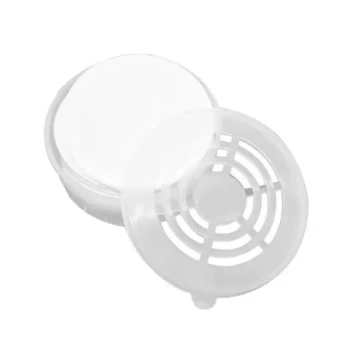
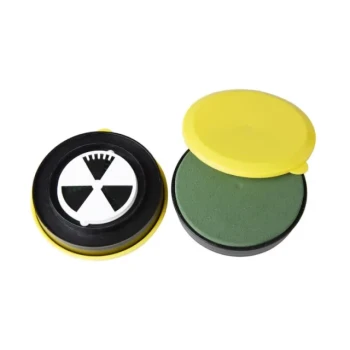
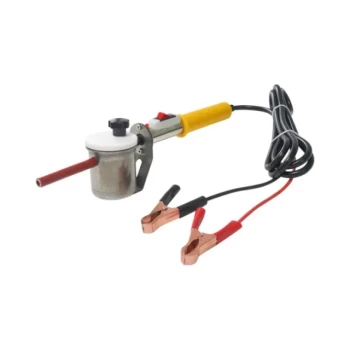
Specialized dispensers and dosing equipment support the controlled application of approved oxalic-acid and formic-acid treatments. Equipment should allow repeatable dosing and minimize spills, operator exposure, and unnecessary contact with bees or hive materials.
Application methods vary by product and jurisdiction. Apiaries must follow the product label, approved concentration, temperature limits, colony conditions, and required treatment interval.
Calibrated Measuring and Dispensing Tools
Graduated containers, syringes, applicator bottles, evaporation devices, and other calibrated tools help maintain consistent treatment delivery. For commercial operations, the ability to document batch, dose, date, hive identity, and operator is a significant quality-control advantage.
Precision is particularly important when treating many colonies, because small inconsistencies can become large differences across an apiary.
Personal Protective Equipment
Acid treatments require appropriate chemical-resistant gloves, eye protection, protective clothing, and respiratory protection when specified by the product label or safety data sheet. Spill-control materials, labelled storage containers, and wash facilities should be part of the treatment system.
PPE is not an optional accessory to the applicator. It is a required component of a professional treatment workflow.
Approved Synthetic Acaricide Consumables
Synthetic miticides can remain useful where they are legally approved and efficacy has been confirmed. However, apiaries should stock products from different active-ingredient groups and avoid repeated use of the same chemistry when resistance is present or suspected.
Treatment selection should be based on monitoring, local efficacy information, residue considerations, label requirements, and the intended honey-production schedule.
Add Mechanical and Biological Controls
Drone-Comb Frames
Drone brood can act as a targeted mite-trapping method because Varroa reproduces readily in drone cells. Removable drone-comb frames allow managers to remove capped drone brood at an appropriate stage and thereby remove mites from the colony.
This method requires disciplined scheduling and correct disposal or freezing procedures. It supplements treatment and monitoring; it does not replace them.
Hygienic-Behavior Assay Equipment
Freeze-killed brood testing kits and related field-assay supplies help identify colonies whose workers uncap and remove compromised brood. A standardized assay can support selection decisions across a breeding program.
Useful supplies include brood assessment templates, marking tools, temperature-controlled freezing equipment, labels, and inspection records.
Queen-Rearing and Grafting Tools
Precision grafting tools, queen cups, cell-building equipment, mating-hive hardware, and colony records allow commercial apiaries to propagate hygienic or otherwise mite-tolerant stocks.
Genetic selection is a long-term control measure. It can reduce dependence on chemical treatments, but it requires consistent testing and careful stock management over multiple generations.
Hive Management Hardware
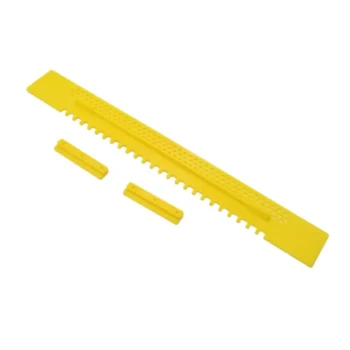
Reliable hive stands, screened components, replacement frames, entrance hardware, and pest-monitoring devices support broader colony hygiene and inspection efficiency. These items do not directly eliminate Varroa in every case, but they make routine monitoring and intervention more consistent.
Equipment should be selected for durability, interchangeability, and rapid cleaning between yards.
Create a Commercial Consumables Program
Stock Diagnostic Materials Continuously
Monitoring fails when supplies are reserved only for emergencies. Distributors and apiaries should maintain recurring inventories of sticky inserts, wash containers, alcohol or approved sampling liquids, labels, test forms, and replacement screens.
A one-stop supply program reduces delays between sampling, treatment, and follow-up verification.
Maintain Treatment Rotation Options
Inventory planning should include approved organic treatments, synthetic products from appropriate active-ingredient groups, and the dispensing tools required for each method. The goal is operational flexibility, not indiscriminate treatment rotation.
Product availability, treatment timing, and local regulations should be reviewed before the season begins.
Standardize Pack Sizes and Documentation
Commercial operations benefit from bulk consumables, clearly defined application units, lot tracking, and rapid replenishment. Suppliers should be able to provide technical product information, safety documentation, and responsive support for large or urgent orders.
Fast fulfillment matters because a delayed intervention can allow mite levels to rise across an entire yard.
Understanding the Trade-offs
Monitoring Tools Are Not Treatment Tools
Sticky boards and alcohol washes reveal infestation levels, but they do not control mites by themselves. Conversely, applying treatments without monitoring makes it difficult to detect failure, over-treatment, or reinfestation.
The strongest IPM program links every intervention to a measurement before and after treatment.
Organic Does Not Mean Risk-Free
Formic and oxalic acids can damage bees, brood, or queens when used at incorrect concentrations, temperatures, or exposure times. Organic treatments still require label compliance, calibrated equipment, PPE, and trained operators.
Their suitability also depends on colony condition, season, and local authorization.
Chemical Rotation Has Limits
Changing products is not enough if active ingredients are used incorrectly or if mites are introduced from neighboring colonies or apiaries. Resistance management must also address reinfestation, drifting, robbing, poor dosing, and untreated colonies.
Rotations should be based on different effective treatment groups and confirmed local performance.
Genetic Selection Takes Time
Hygienic stocks and mite-tolerant strains can strengthen long-term resilience, but they do not provide an immediate substitute for monitoring and timely control. Breeding programs require assay equipment, accurate records, and enough colonies for meaningful selection.
Commercial managers should treat genetic improvement as a strategic layer of IPM rather than a short-term emergency measure.
Making the Right Choice for Your Goal
A practical commercial portfolio should be assembled around the apiary’s scale, treatment program, regulatory environment, and data-management capability.
- If your primary focus is rapid infestation detection: Prioritize screened bottom boards, replaceable sticky trays, alcohol wash kits, calibrated sample containers, labels, and standardized recording supplies.
- If your primary focus is treatment precision: Add approved organic-acid dispensers, graduated dosing tools, application devices, PPE, spill-control materials, and treatment documentation systems.
- If your primary focus is reducing synthetic acaricide dependence: Invest in drone-comb frames, hygienic-behavior assay kits, queen-rearing and grafting tools, and mite-tolerant breeding stock.
- If your primary focus is distributor or reseller service: Build a full-spectrum inventory covering monitoring, treatment, mechanical control, PPE, and breeding supplies, supported by technical guidance and rapid replenishment.
- If your primary focus is operational efficiency: Standardize compatible equipment and consumable pack sizes across yards, and use lot tracking and treatment records to simplify purchasing and compliance.
A resilient Varroa program is built on consistent measurement, precise application, method diversification, and reliable access to the equipment that makes each step repeatable.
Summary Table:
| Category | Purpose | Key Equipment & Consumables |
|---|---|---|
| Monitoring | Measure mite levels & verify treatment | Screened bottom boards, sticky trays, alcohol wash kits, labels, forms |
| Treatment | Apply acaricides precisely | Organic acid dispensers, calibrated tools, PPE, synthetic miticides |
| Mechanical Control | Remove mites via drone brood | Drone-comb frames, freeze-kill kits |
| Genetic Selection | Select mite-tolerant bees | Queen-rearing tools, grafting supplies, assay kits |
| Operational Support | Streamline commercial apiary workflow | Bulk consumables, standardized pack sizes, fast fulfillment |
As a distributor or commercial beekeeper, you need a comprehensive Varroa IPM supply chain that ensures fast, reliable access to monitoring, treatment, and breeding equipment. HONESTBEE offers a full-spectrum product portfolio, rapid fulfillment, and dedicated support for B2B partners. Contact us today to build a customized procurement plan that boosts your efficiency and profitability. Get in touch with our team
Related Products
- Heavy Duty 12V Oxalic Acid Evaporator Vaporizer for Bee Varroa Mite Treatment Beekeeping Fumigator Atomizer
- Durable 12V Oxalic Acid Vaporizer for Varroa Mite Treatment Beehive Beekeeping Tool
- Varroa Easy Check Mite Tester Kit Counter Alcohol Wash Jar
- Compact Circular Bee Mite Treatment Dispenser
- Adjustable Formic and Acetic Acid Dispenser for Bee Mite Treatment
People Also Ask
- How can oxalic acid treatment be applied effectively when capped brood is present? Master the 3-Stage Vapor Protocol
- What are the main advantages of using oxalic acid vaporization for Varroa mite control? Achieve 90%+ Efficacy Safely
- What is the process of using an oxalic acid vaporizer? A Step-by-Step Guide to Safe Varroa Control
- How can oxalic acid vaporization be used effectively in a hive that contains brood? Master Multi-Stage Mite Control
- Why is it necessary to control varroa mite infestations? Protect Your Colony with Oxalic Acid Vaporizers