Large rubber bands and string function as essential temporary scaffolding during the relocation of wild honeybee colonies. When natural honeycombs are cut from irregular spaces—such as inside building walls—they lack the structural connection to a standard hive frame. These fasteners physically hold the loose pieces of comb within an empty wooden frame, preventing them from collapsing until the bees can take over.
The critical function of these materials is to maintain the comb's correct vertical orientation against gravity. By securing the comb "top-end up," you allow the colony to immediately utilize their existing resources, such as brood and stored food, while they cement the comb to the new frame.
The Mechanics of Comb Transfer
Bridging the Structural Gap
Wild honeycombs are custom-built by bees to fit their original cavity, often hanging from a ceiling or rafter. When you excise these combs, you sever their structural support.
Standardized empty hive frames act as the new boundaries for these combs. Because the cut comb does not naturally stick to the wood immediately, an external force is required to hold it in place.
Application of Fasteners
Large rubber bands are typically stretched around the entire height of the frame, acting as a cage. Alternatively, string is tied around the frame to achieve the same result.
These materials sandwich the honeycomb inside the frame. They provide enough pressure to prevent the comb from slipping out, but must be gentle enough not to crush the delicate wax cells.
Correct Vertical Orientation
The primary reference emphasizes the absolute necessity of keeping the comb top-end up. Bees build cells with a slight upward angle to retain nectar.
If the comb is installed upside down or sideways, nectar may leak, and the brood (developing bees) may be damaged. Rubber bands ensure the comb remains fixed in this critical natural position during the chaotic transfer process.
The Biological Response
Rapid Repair and Attachment
Once the comb is secured with bands or string, the bees perceive the gap between the comb and the wooden frame as a structural flaw.
They immediately begin to repair and attach the wax directly to the wood. The fasteners buy the bees the necessary time to build these new wax bridges.
Transitioning to Standard Frames
This method effectively converts a wild, irregular colony into a managed one. By integrating the original comb, you reduce the energy the bees would otherwise spend building new wax from scratch.
This allows the colony to focus on protecting the queen and foraging, rather than solely on reconstruction.
Understanding the Trade-offs
Temporary vs. Permanent
It is important to view rubber bands and string as temporary solutions only. They are not permanent structural components of the hive.
Over time, the bees will secure the comb and often chew through the rubber bands or work around the string. The beekeeper must eventually verify that the fasteners have been removed or discarded by the bees to maintain hive hygiene.
Potential for Comb Damage
The tension applied by the fasteners is a critical variable. If the bands are too tight, they can cut through the soft wax and kill the brood inside the cells.
If they are too loose, the heavy honey-filled comb may slump or fall out of the frame, leading to a loss of resources and potential bee mortality.
Making the Right Choice for Your Goal
To ensure a successful transfer from a wild removal to a managed hive, consider the following regarding your installation technique:
- If your primary focus is Colony Survival: Ensure the comb is oriented strictly top-end up to prevent nectar leakage and brood death.
- If your primary focus is Structural Integrity: Use enough bands or string to prevent any sagging, allowing the bees to create a firm attachment to the wood quickly.
By mechanically supporting the comb now, you empower the bees to biologically secure their future in the new hive.
Summary Table:
| Material | Primary Purpose | Key Benefit | Critical Precaution |
|---|---|---|---|
| Large Rubber Bands | Temporary scaffolding | Fast application; holds comb via tension | Avoid excessive pressure; can crush wax |
| Cotton String | Manual binding | Customizable tension and placement | Ensure bees can eventually remove or chew through it |
| Hive Frames | Structural boundary | Standardizes wild comb for managed hives | Must maintain original vertical orientation |
Scale Your Apiary Operations with HONESTBEE
Successfully transferring wild colonies is just the beginning of a productive apiary. At HONESTBEE, we specialize in empowering commercial apiaries and distributors with the professional-grade tools needed to manage and scale honey production.
Whether you require high-precision hive-making machinery, automated honey-filling systems, or a bulk supply of beekeeping hardware and consumables, our comprehensive wholesale portfolio is designed to enhance your operational efficiency.
Partner with HONESTBEE to access premium equipment and industry-leading support.
Contact our specialists today to discuss your wholesale needs
References
- Mary Bammer, Amy T. Vu. Best Management Practices for Live Bee Removals in Florida: A Beekeeper’s Guide. DOI: 10.32473/edis-in1297-2020
This article is also based on technical information from HonestBee Knowledge Base .
Related Products
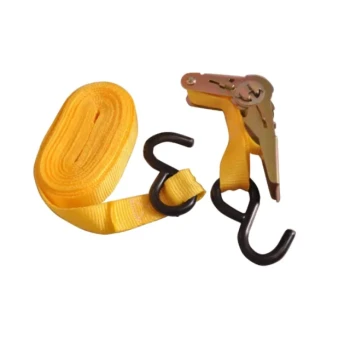
- Versatile Ratchet Hive Strap with S-Hooks for Secure Fastening
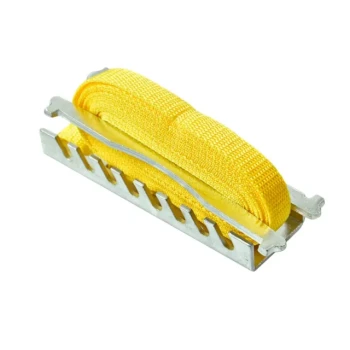
- Professional Galvanized Hive Strap with Secure Locking Buckle for Beekeeping
People Also Ask
- How do you loosen a ratchet strap? Master the 180-Degree Release for Easy Unloading
- How is a ratchet strap loosened and removed? Master the 180-Degree Release Technique
- What is the correct way to install a ratchet strap to reduce freezing in cold weather? Prevent Seizure with Proper Drainage
- Why is the use of ratchet straps or high-strength ropes necessary for hive protection? Secure Your Colony Now
- Why install ratchet straps below the hive top in freezing weather? Prevent a frozen, useless strap.