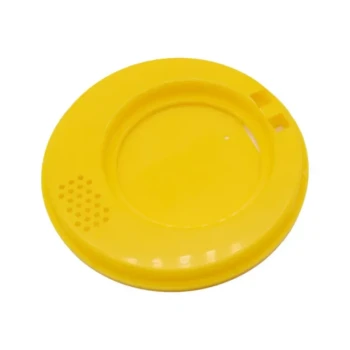
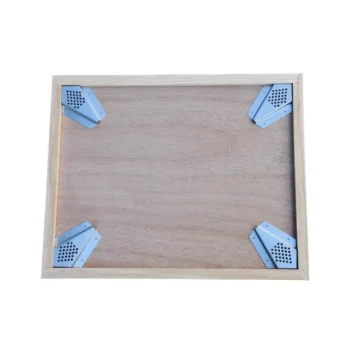
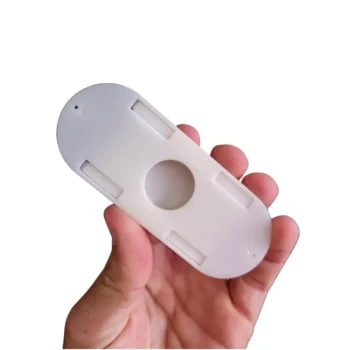
Physical barrier devices are applied by structurally isolating the hive from the ground to sever the travel routes used by foraging insects. For crawling pests like ants, this is achieved by placing the legs of the hive stand into specialized bowls or containers filled with a liquid medium, such as water or oil. This creates an impassable "moat" that prevents pests from climbing up the stand to reach the colony.
By interrupting the physical path of predators, liquid barriers provide a mechanical defense that protects bee larvae and honey reserves while eliminating the need for chemical pesticides within the hive environment.
The Mechanics of Hive Isolation
Creating a Liquid Moat
The core application involves installing hive stand ant-proof bowls at the base of the hive structure. The hive supports rest directly inside these containers, which act as the sole interface between the ground and the hive.
Interrupting the Pest Pathway
Once the supports are in place, the bowls are filled with a liquid barrier, typically water or oil. Because ants and similar crawling pests cannot traverse the liquid surface, their path is effectively blocked before they can touch the hive proper.
Protecting Critical Resources
This method specifically targets the defense of bee larvae and honey reserves. By stopping ants at the ground level, the colony preserves its future population and food stores without the bees having to divert energy toward defense.
Distinguishing Barrier Types
Terrain Exclusion vs. Size Exclusion
It is important to select the correct barrier for the specific pest. Liquid bowls offer terrain-based exclusion specifically for crawling pests like ants.
Addressing Flying Predators
In contrast, devices like entrance reducers utilize size-based exclusion. As noted in industry applications, these metal or wood screens restrict the hive opening to block large predators like Vespa velutina (hornets) while allowing bees to pass. While both are physical barriers, entrance reducers do not stop small, crawling pests like ants.
Common Pitfalls and Trade-offs
Maintenance of Liquid Levels
The effectiveness of a liquid barrier is entirely dependent on the presence of the liquid. Water evaporates quickly in hot weather, requiring frequent refills, whereas oil lasts longer but can be messier to maintain.
The "Debris Bridge" Risk
Physical barriers fail if the isolation is compromised by debris. Falling branches, tall grass, or equipment leaning against the hive can create a "bridge" that allows ants to bypass the liquid moat entirely.
Debris Accumulation
Dead insects and leaves can accumulate on the surface of the liquid. If this layer becomes thick enough, it can form a raft that allows other ants to cross the barrier, necessitating regular cleaning.
Making the Right Choice for Your Goal
To effectively protect your colony, align your barrier strategy with your specific pest pressures and maintenance capacity:
- If your primary focus is stopping ants with minimal maintenance: Opt for oil-filled barriers, as they resist evaporation and remain effective longer than water.
- If your primary focus is a chemical-free, low-cost solution: Use water-filled bowls, but establish a strict schedule to check levels and clear floating debris.
- If your primary focus is defending against large flying predators: Do not rely on stand bowls; instead, install entrance reducers to physically screen out larger threats like hornets.
Physical barriers are most effective when the area around the hive is kept clear, ensuring the liquid moat remains the only path to the colony.
Summary Table:
| Barrier Type | Primary Target | Mechanism | Maintenance Level |
|---|---|---|---|
| Liquid Moat Bowls | Ants, crawling insects | Terrain exclusion (liquid barrier) | High (refilling/cleaning) |
| Oil Barriers | Ants, crawling insects | Long-lasting terrain exclusion | Medium (less evaporation) |
| Entrance Reducers | Hornets, large predators | Size-based physical exclusion | Low (periodic clearing) |
Secure Your Apiary Productivity with HONESTBEE
Protecting your honey reserves and bee larvae from pests is critical for commercial success. At HONESTBEE, we specialize in supporting commercial apiaries and distributors with a comprehensive range of high-quality beekeeping tools and machinery. From specialized hive-making and honey-filling machines to essential hardware and industry consumables, our products are designed to enhance your operational efficiency.
Why partner with HONESTBEE?
- Full Spectrum Wholesale: One-stop sourcing for all your beekeeping equipment needs.
- Industrial Precision: Machinery built to withstand the demands of professional honey production.
- Cultural Merchandise: Expand your market reach with our honey-themed merchandise.
Ready to scale your beekeeping business with professional-grade solutions? Contact us today to discuss your wholesale requirements!
References
- Dipak Khanal, Shreekrishna Neupane. An Overview of Bee Keeping in Rupandehi District, Nepal over Seven Years. DOI: 10.3126/nepjas.v29i01.85433
This article is also based on technical information from HonestBee Knowledge Base .
Related Products
- Steel Round Disc Entrance Reducer for Flexzion Bee Hive Nuc Box Gate
- White Cotton Beekeeping Jacket and Veil for Bee Keepers
- 8-Cone Galvanized Steel Bee Robber Guard
- Plastic Queen Bee Excluder for Bee Hive Wholesale
- Metal Bee Hive Stand Bee Box Stand for Beekeeping
People Also Ask
- What is the purpose of an entrance reducer for a beehive? Strengthen Colony Defense and Prevent Robbery
- Why are entrance reducers used to counter hornet infestations? Protect Your Hive with Strategic Choke Points
- Why is it critical to maintain a smaller entrance for a newly established bee hive? Boost Colony Growth and Security
- Under what conditions should a beekeeper adjust the size of a beehive entrance? Seasonal & Defense Management Tips
- What is the function of an entrance reducer on a beehive? Strengthen Colony Defense and Climate Control