To verify a successful queen introduction, you must inspect the hive frames 10 to 14 days after the queen has been released. You are looking specifically for the presence of new eggs and young white larvae, which serves as the definitive proof that the colony has accepted her and she has begun her reproductive duties.
The success of a queen introduction is determined by reproductive evidence, not just the physical presence of the queen. Finding new eggs or larvae within two weeks confirms acceptance, while a total lack of brood after three weeks confirms failure.
The Verification Timeline
The 10-14 Day Window
Timing is critical when verifying a new queen. You should schedule your inspection between 10 to 14 days after the queen was initially placed in the hive.
allowing for Acclimatization
This duration provides the queen sufficient time to be released from her cage, interact with the workers, and settle into the colony. It also accounts for the biological delay between release and the commencement of egg-laying.
The Three-Week Cutoff
There is a hard limit for verification. If you inspect the hive three weeks after introduction and find no eggs or larvae, the introduction must be considered a failure.
Identifying Success Indicators
Look for Brood, Not the Queen
While seeing the queen is reassuring, it is not the primary indicator of a functioning hive. Your inspection should focus on identifying new eggs.
Confirming Larval Development
In addition to eggs, look for young white larvae. The presence of larvae confirms that the eggs are viable and that nurse bees are actively caring for the new brood.
Definitive Acceptance
The existence of this new brood is the only definitive sign of success. It proves the workers have accepted the queen's pheromones and allowed her to establish her laying pattern.
Understanding the Trade-offs and Risks
The Risk of Ambiguity
If you inspect the hive before the 10-day mark, you risk finding an inconclusive situation. The queen may be present but not yet laying, leaving you unsure of the colony's long-term viability.
The Cost of Waiting Too Long
Conversely, extending the observation period beyond three weeks can be detrimental. If the introduction failed, the colony has now gone nearly a month without new brood, significantly weakening the population as older bees die off.
False Negatives
Be careful not to mistake a pause in laying for failure before the three-week mark. However, once that three-week threshold is crossed without eggs, the window for a successful natural start has closed.
Making the Right Choice for Your Colony
To ensure the health of your apiary, you must act decisively based on what you see during the inspection window.
- If your primary focus is confirming success: Inspect between days 10 and 14 and look strictly for eggs and white larvae.
- If your primary focus is colony salvage: Prepare to intervene immediately if no brood is detected by the 21-day mark (three weeks) to prevent colony collapse.
Trust the timeline and the presence of brood as your absolute guides for decision-making.
Summary Table:
| Verification Stage | Timing | Primary Indicator | Action Required |
|---|---|---|---|
| Early Inspection | 0-9 Days | Queen presence | Avoid; high risk of colony disturbance |
| Optimal Window | 10-14 Days | New eggs & white larvae | Confirm acceptance & record laying pattern |
| Final Deadline | 21 Days | Any signs of brood | If empty, introduction failed; intervene immediately |
| Failure Sign | >21 Days | No eggs / queen cells | Re-queen or merge colony to prevent collapse |
Scale Your Apiary Success with HONESTBEE
Ensuring every queen introduction is successful is vital for maintaining high-yield honey production. At HONESTBEE, we understand the needs of commercial apiaries and distributors. We provide the professional-grade tools you need to manage your colonies effectively—from high-precision hive-making machinery to essential beekeeping consumables and honey-themed merchandise.
Whether you are expanding a commercial operation or stocking a distribution network, our comprehensive wholesale offerings ensure you have the equipment to succeed. Contact us today to discover how our premium beekeeping hardware and machinery can optimize your productivity!
Related Products
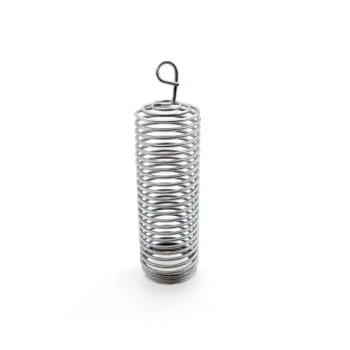
- Durable Galvanized Steel Spring Queen Bee Cage
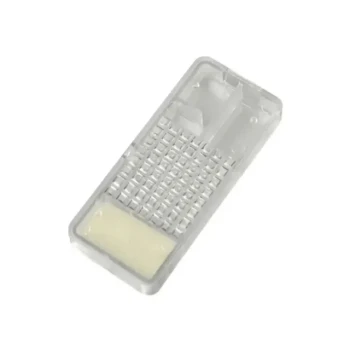
- Professional Queen Bee Introduction and Transport Cage
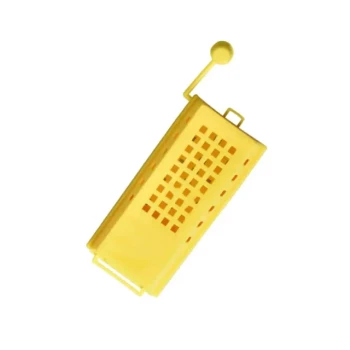
- Professional Multi-Functional Queen Bee Cage
- Professional Queen Cage with Sliding Gate and Feeder Plug
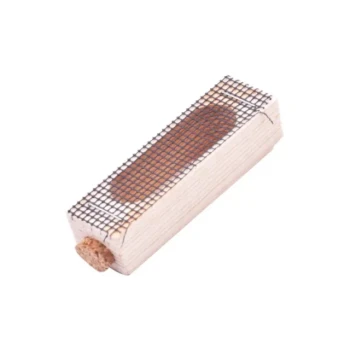
- Classic Wooden and Mesh California Queen Cage
People Also Ask
- Why are specialized queen bee cages used for the banking of mated queen bees? Maximize Commercial Apiary Storage Efficiency
- What is the mechanism of action for using temporary queen bee cages? Master Successful Queen Introduction
- What is the step-by-step process for installing a queen bee's cage onto a frame? Ensure Hive Acceptance Safely
- What is the optimal placement for a queen bee cage? Essential Strategies for Successful Re-queening
- What are the advantages and disadvantages of introducing a queen bee by embedding the cage? Boost Your Queen Acceptance