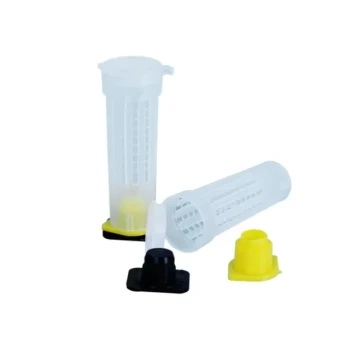
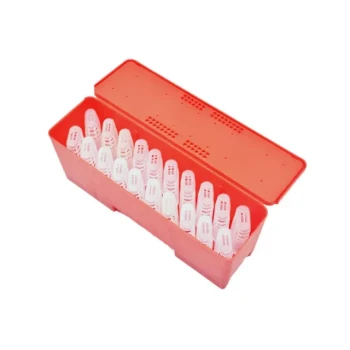
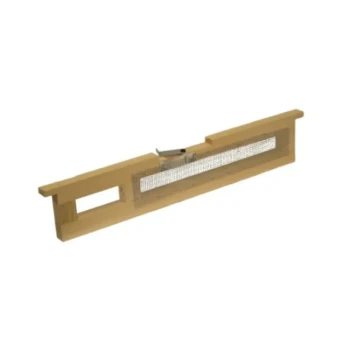
Specialized queen cages and protective consumables facilitate the movement and establishment of queen bees by functioning as both a physical shield and a biological buffer. These tools ensure the queen survives the mechanical stress of travel and allow for gradual pheromone integration within a new hive, preventing immediate rejection and aggression by the existing workforce.
The success of re-queening relies on balancing physical safety with social integration; specialized cages protect the queen from injury and rival attacks while regulating the release of her pheromones to foster gradual colony acceptance.
Ensuring Survival During Transit
Physical Protection and Ventilation
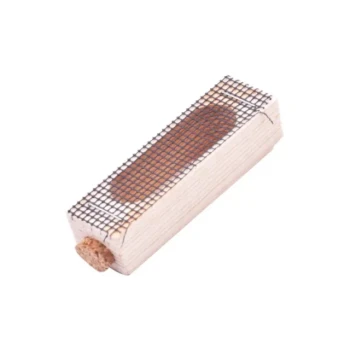
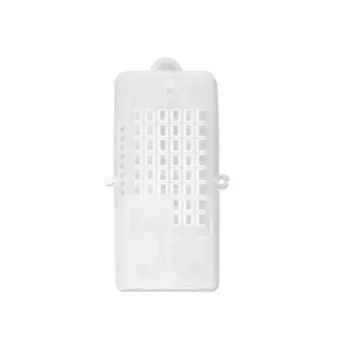
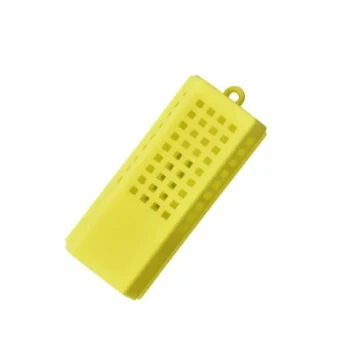
During long-distance transportation, the queen is vulnerable to physical injury and environmental stress. Specialized containers, such as screened cardboard boxes or wood Benton cages, provide a rigid structure that prevents crushing. Crucially, their mesh design ensures adequate airflow to prevent suffocation.
Maintenance of Homeostasis
Survival is not just about air; it requires active care. Transportation cages are designed to house the queen alongside a small retinue of attendant worker bees. These attendants are vital for maintaining the queen’s physiological homeostasis through feeding and cleaning behaviors during the journey.
Facilitating Colony Acceptance
The Pheromone Barrier
The most critical function of the cage during introduction is creating a safe interface between the new queen and the colony. The cage acts as a protective barrier that prevents direct physical contact, which would often result in the workers attacking and killing the "invader."
Gradual Acclimation
While physically separated, the cage allows the queen's pheromones to circulate among the colony members. This gradual exposure allows the colony to acclimate to her specific chemical signature. By the time the queen is released, the workers have accepted her scent, significantly improving the success rate of the re-queening process.
The Brood Integration Strategy
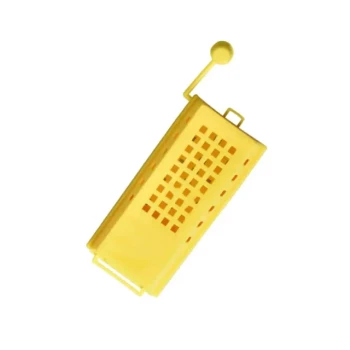
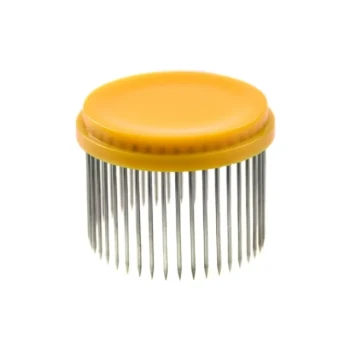
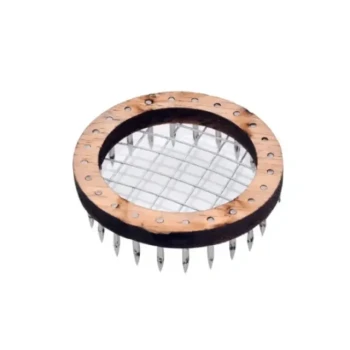
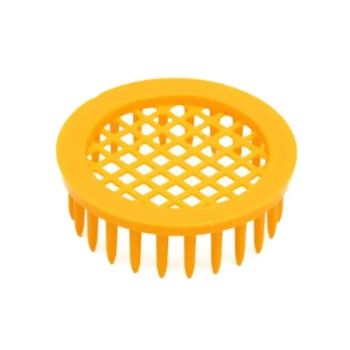
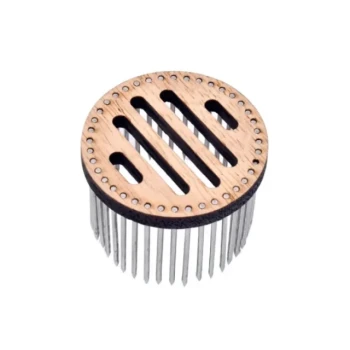
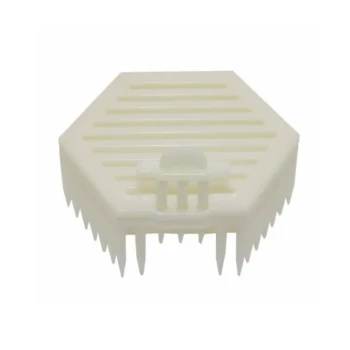
A specific technique, often using a "push-in" cage, involves pressing the cage over a frame of sealed brood that is about to emerge. The queen is placed inside with these emerging bees, who have no prior allegiance. They accept her immediately as their only queen, providing her with a loyal cohort of attendants before she interacts with older, potentially aggressive workers.
Managing Development and Rivalry
Preventing Fatal Combat
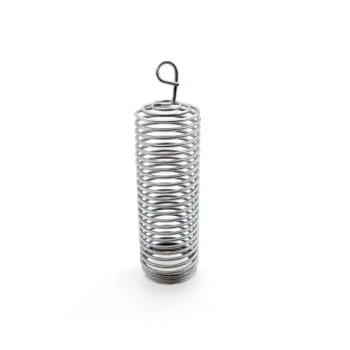
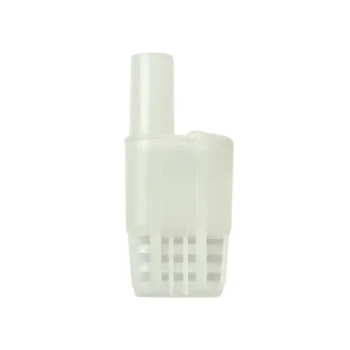
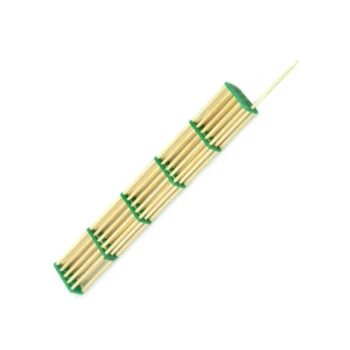
In commercial apiaries, multiple queens are often raised simultaneously. Queen protector cages are essential here to enforce physical isolation. Without this barrier, the first queen to emerge would likely destroy rival queen cells or engage in fatal combat with other emerged queens.
Scientific Isolation
These cages also enable early social isolation for research purposes. By restricting contact, scientists can study specific biological factors, such as the effects of social interaction on the queen bee's gut microbiota.
Understanding the Trade-offs
Isolation vs. Care
While cages prevent aggression, they also restrict the queen's ability to care for herself. A queen cannot survive long in total isolation; she requires the support of attendants inside the cage during transport to feed and groom her.
Timing the Release
The protective barrier is a temporary measure, not a permanent solution. If the queen is released too early—before pheromone acclimation is complete—the colony will likely reject her. Conversely, keeping her caged for too long can hinder her laying productivity and stress the hive.
Making the Right Choice for Your Goal
- If your primary focus is long-distance transport: Prioritize wood Benton cages or screened boxes that offer rigid protection, ample ventilation, and space for attendant bees to maintain the queen's health.
- If your primary focus is introducing a high-value queen: Utilize the push-in cage method over sealed brood to create an immediate, loyal following of young bees before full colony exposure.
- If your primary focus is commercial breeding: Implement protector cages immediately around developing cells to prevent emerging queens from destroying their rivals.
The proper use of these consumables transforms the queen's introduction from a gamble into a calculated, biological process.
Summary Table:
| Feature | Purpose | Key Benefit |
|---|---|---|
| Physical Shielding | Protects from crushing and rivals | Prevents physical injury and fatal combat |
| Mesh/Screen Design | Ensures airflow and ventilation | Prevents suffocation during long-distance transit |
| Pheromone Barrier | Controls chemical exposure | Facilitates gradual colony acceptance and acclimation |
| Attendant Space | Houses worker bees with the queen | Maintains queen homeostasis through feeding and grooming |
| Push-in Cages | Brood-frame integration | Creates an immediate loyal cohort of emerging bees |
Maximize Your Colony Success with HONESTBEE
At HONESTBEE, we understand that a queen bee is the heart of your apiary's productivity. As a premier partner for commercial apiaries and distributors, we provide high-quality specialized queen cages, protective consumables, and a full spectrum of beekeeping machinery designed for professional operations.
From hive-making and honey-filling machines to essential industry consumables, our comprehensive wholesale offering ensures your business stays efficient and profitable.
Ready to elevate your beekeeping business? Contact HONESTBEE today to explore our specialized hardware and wholesale solutions tailored to your success.
References
- Laurent Cilia. ‘We don't know much about Bees!’ Techno‐Optimism, Techno‐Scepticism, and Denial in the American large‐scale Beekeeping Industry. DOI: 10.1111/soru.12280
This article is also based on technical information from HonestBee Knowledge Base .
Related Products
- Professional Queen Bee Introduction and Transport Cage
- Classic Wooden and Mesh California Queen Cage
- Professional Queen Cage with Sliding Gate and Feeder Plug
- Durable Galvanized Steel Spring Queen Bee Cage
- Professional Multi-Functional Queen Bee Cage
People Also Ask
- Why are specialized queen bee cages used for the banking of mated queen bees? Maximize Commercial Apiary Storage Efficiency
- What is the mechanism of action for using temporary queen bee cages? Master Successful Queen Introduction
- How is a queen bee released from a queen cage? Ensure Safe Colony Integration & Hive Success
- What materials are required to install a queen bee's cage into a hive? Essential Tools for Successful Queen Integration
- How long should a queen bee stay in the cage before being released? Ensure a Successful Introduction