Securing a beehive cover against the wind is a fundamental aspect of apiary management. To ensure the lid remains in place and the colony stays protected, you must apply external pressure, typically by placing a heavy stone on top or fastening the components with a strap.
Wind can easily lift hive covers, breaking the propolis seal and exposing the colony to the elements. The definitive solution is to either weigh the cover down with a heavy object or mechanically bind the hive components together.
Methods for Securing the Hive
Using Weight for Stabilization
The most common and immediate solution is to place a heavy stone directly on top of the outer cover.
Gravity does the work here, pressing the lid firmly against the hive body.
This ensures that wind gusts cannot lift the overhang of the telescoping cover.
Using Tension for Stabilization
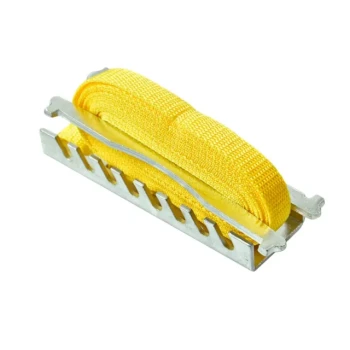
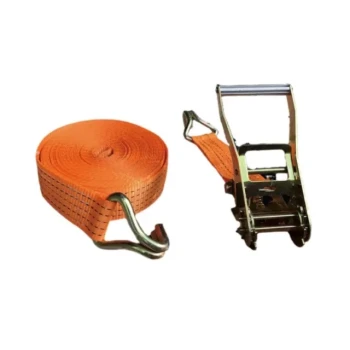
Alternatively, you can use a strap to bind the hive components together.
This method runs a strap around the entire assembly, often anchoring the cover to the bottom board or hive stand.
This creates a unified structure that resists both vertical lift and horizontal shifting.
Understanding the Trade-offs
The Pros and Cons of Stones
Using a stone is the simplest method and requires no special equipment.
However, stones can be heavy to lift every time you inspect the hive.
There is also a risk that the stone may slide off if the hive is bumped or if the cover is slanted.
The Pros and Cons of Strapping
Strapping provides a higher level of security, particularly against strong storms or animal interference.
It keeps the boxes aligned even if the hive is tipped over.
The downside is convenience; removing the strap adds an extra step to every hive inspection.
Making the Right Choice for Your Goal
Select the method that best aligns with your local weather conditions and management style.
- If your primary focus is quick access: Use a heavy stone, as it can be easily removed and replaced during routine inspections.
- If your primary focus is maximum security: Use a strap to ensure the hive remains intact during high winds or transport.
By securing your cover effectively, you ensure your colony maintains the internal temperature and humidity required for survival.
Summary Table:
| Method | Action | Primary Benefit | Best Suited For |
|---|---|---|---|
| Heavy Stone | Place weight on outer cover | Quick and easy access | Routine inspections in moderate wind |
| Hive Straps | Bind all boxes to the base | Maximum structural security | Stormy regions and hive transport |
| Propolis Seal | Natural bee bonding | Internal weatherproofing | Low-wind environments |
Secure Your Apiary with HONESTBEE Professional Equipment
Protecting your colony starts with the right hardware. At HONESTBEE, we specialize in supporting commercial apiaries and distributors with high-quality, durable beekeeping solutions. From robust hive components and heavy-duty strapping tools to industrial-grade honey-filling machinery, we provide the full spectrum of equipment needed to scale your operations.
Why partner with HONESTBEE?
- Comprehensive Wholesale Range: One-stop shop for tools, hardware, and consumables.
- Commercial Reliability: Equipment designed to withstand the rigors of professional beekeeping.
- Expert Support: Tailored solutions for large-scale apiary management.
Contact our team today to optimize your apiary performance!
Related Products
- Professional Galvanized Hive Strap with Secure Locking Buckle for Beekeeping
- Heavy Duty Ratchet Hive Strap
- High Security Emlock Strap System
- Inner Beehive Cover for Beekeeping Bee Hive Inner Cover
- Telescopic Beehive Outer Cover Lid Roof with Galvanised Sheeting for Langstroth Hive and Beehive Outer Cover
People Also Ask
- What is a good way to store hive straps to keep them organized? Master the Art of Tangle-Free Hive Transport
- What are the two main styles of hive straps? Choosing Between Cam Buckles and Ratchet Mechanisms for Your Apiary
- What role do standardized beehive fastening and protective consumables play? Secure Colonies Against Natural Disasters
- What maintenance do hive straps require? Keep Your Hives Secure with Simple Care Tips
- What is the best choice for hive straps? Ratchet vs. Cam Buckle for Your Apiary