To modify a pollen trap for continuous use, you must physically alter the device by slightly enlarging two to three holes in the punch plate or screen. This modification creates a bypass for a portion of the returning bees, allowing them to enter the hive without having their pollen pellets stripped.
Core Takeaway Standard pollen traps can starve a colony if left on indefinitely. By creating specific "bypass" holes, you ensure the hive receives a baseline supply of pollen for brood rearing and provide an exit route for virgin queens, effectively balancing resource collection with colony survival.
The Mechanics of the Modification
Altering the Punch Plate
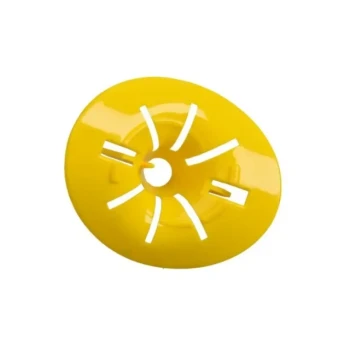
The standard punch plate is designed to be just tight enough to scrape pollen off a bee's legs.
To enable continuous trapping, select two or three specific holes in this plate.
Drill or file these holes to be slightly larger than the rest, creating unrestricted gateways into the hive.
Sustaining the Brood
The primary danger of continuous trapping is nutritional starvation.
By enlarging these holes, you allow a calculated percentage of foragers to bypass the stripping mechanism entirely.
This ensures the colony receives a steady, albeit reduced, influx of pollen to maintain brood rearing and general hive health.
Facilitating Queen Movement
A standard trap can inadvertently imprison a virgin queen or prevent her return after a mating flight.
The larger holes provide the necessary clearance for a virgin queen to leave the hive for mating.
This safeguards the colony's long-term viability by ensuring reproductive cycles are not mechanically blocked by the trap.
Critical Trade-offs and Prerequisites
Assessing Colony Strength
Even with the bypass modification, trapping places stress on the hive.
Traps should only be installed on strong, populous colonies.
Weaker colonies require every grain of pollen they collect to build their population and will likely decline even with a modified trap.
Timing the Flow
Continuous trapping is most effective during heavy pollen flows.
While the modification prevents total starvation, the external environment must still provide an abundance of resources.
If the natural pollen flow is scarce, even a modified trap may deplete the colony's reserves too quickly.
Best Practices for Application
If your primary focus is Passive Collection:
- Implement the 2-3 hole modification to allow the trap to remain on the hive for extended periods without risking colony starvation or queen confinement.
If your primary focus is Maximum Yield:
- Avoid the modification and instead use a standard trap for short, intensive periods (several weeks), removing it periodically to let the bees replenish stores.
This simple mechanical adjustment transforms a pollen trap from a potential stressor into a sustainable, long-term harvesting tool.
Summary Table:
| Feature | Standard Pollen Trap | Modified Continuous Trap |
|---|---|---|
| Hole Configuration | Uniform size (strips all pollen) | 2-3 enlarged bypass holes |
| Colony Impact | Potential starvation if left on | Sustained brood rearing |
| Queen Safety | Risk of trapping virgin queens | Safe passage for mating flights |
| Maintenance | Must be removed periodically | Suitable for long-term installation |
| Best Use Case | Maximum yield (short periods) | Passive collection (long-term) |
Scaling Your Apiary Operations with HONESTBEE
Transitioning from hobbyist tools to commercial-grade efficiency requires equipment that balances high yields with colony sustainability. At HONESTBEE, we specialize in supporting commercial apiaries and distributors with a complete spectrum of professional beekeeping solutions.
Whether you need precision-engineered pollen traps, advanced hive-making machinery, or high-speed honey-filling lines, our comprehensive wholesale portfolio is designed to enhance your productivity. We provide everything from essential hardware to industry consumables and honey-themed cultural merchandise.
Ready to optimize your production and protect your colonies?
Contact our team today to explore our wholesale offerings
Related Products
- Removable Plastic Pollen Trap With Ventilated Tray for Bees Pollen Collector
- 30 cm Plastic Entrance Hole Bee Pollen Trap and Collector
- Plastic Bee Pollen Trap Strips Comb Catcher Collector
- 8 Frame and 10 Frame Propolis Trap Collector Screen for Propolis Collection
- Professional Bucket Style Wasp and Moth Pheromone Trap
People Also Ask
- What are the design principles and advantages of pollen traps in the collection of bee pollen? Boost Your Apiary Yield
- What is the function of professional pollen traps in evaluating honey plants? Quantifying Pollination and Crop Potential
- What functions do pollen traps serve for bee bread production? Optimize Your Raw Material Collection
- What maintenance and pest prevention measures should be taken for pollen traps? Protect Your Hive and Harvest Quality
- How does the use of pollen traps in honeybee hives enhance crop fertilization? Boost Your Yield Through Induced Activity