By introducing a protected queen cell into a colony that currently possesses a laying queen, you can trigger a natural replacement process known as supersedure without manually removing the old queen first. This method relies on a physical barrier that shields the developing queen from worker bees, preventing them from destroying the cell before the new queen can emerge.
The Core Takeaway Introducing a protected queen cell allows for a seamless transition of power where the new queen emerges and mates while the old queen continues to lay. This strategy offers an approximately 80% success rate and eliminates the productivity loss associated with brood breaks.
The Mechanics of Forced Supersedure
Overcoming Colony Defenses
In a queenright colony, the presence of the resident queen's pheromones signals to the worker bees that the colony is stable. Consequently, workers view any introduced queen cells as rivals or threats to the existing order.
The Vulnerability of Unprotected Cells
When workers decide to eliminate a rival queen cell, they do not attack the tip. Instead, they chew into the side wall of the cell, attacking the area where the pupal cocoon is thinnest to remove the contents.
How the Protector Works
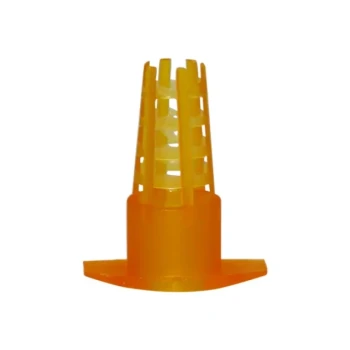
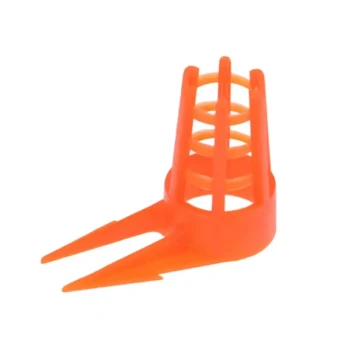
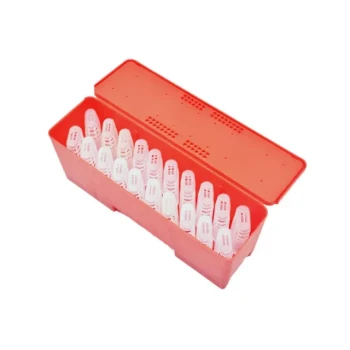
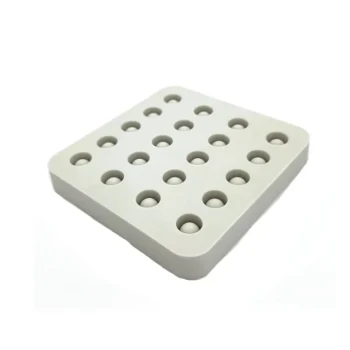
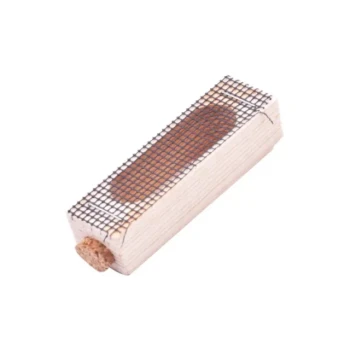
A cell protector is a plastic or wire casing that surrounds the sides of the queen cell. By shielding the vulnerable side walls, the protector physically prevents workers from chewing into the cell, forcing them to tolerate it until the virgin queen emerges.
The Process and Benefits
Seamless Transition
Once the virgin queen emerges from the protected cell, she enters the colony without immediate aggression. She will leave the hive to mate and return to begin laying eggs alongside the resident queen.
Avoiding a Brood Break
The primary advantage of this method is the continuity of the brood cycle. Because the old queen remains active during the new queen's development and mating flights, the colony does not suffer the population dip that occurs during traditional de-queening and re-queening.
The "Backup" Insurance
This method significantly lowers the risk of colony failure. If the new queen fails to emerge or is lost during her mating flight, the old queen remains present to keep the colony viable, preventing the hive from becoming hopelessly queenless.
Understanding the Trade-offs
Success Rate Limitations
While effective, this method is not guaranteed. The reported success rate is approximately 80%, meaning there is a roughly one-in-five chance the supersedure will fail and the colony will simply retain the old queen.
Reversion to Status Quo
Unlike direct queen replacement, a failure here results in the status quo rather than a crisis. If the process fails, you are left with the original queen, requiring you to restart the process or choose a different method.
Making the Right Choice for Your Goal
To determine if a protected queen cell is the right strategy for your apiary, consider your primary objectives:
- If your primary focus is productivity: This method is ideal because it avoids a brood break, ensuring the workforce population remains high for the honey flow.
- If your primary focus is risk mitigation: Use this technique to retain the old queen as a safety net, ensuring the colony survives even if the new queen fails to mate.
By leveraging the colony's natural instincts alongside simple protective equipment, you can achieve a stable, low-stress genetic turnover in your hives.
Summary Table:
| Feature | Protected Queen Cell Method | Traditional De-queening |
|---|---|---|
| Brood Break | None (Old queen continues laying) | Significant (10-14 days minimum) |
| Success Rate | Approximately 80% | High (if accepted) |
| Risk Level | Low (Old queen is a safety net) | High (Risk of queenlessness) |
| Labor Intensity | Low (No need to find/kill old queen) | High (Must locate old queen) |
| Hardware Needed | Queen cell protector (Plastic/Wire) | None |
Maximize Your Apiary Productivity with HONESTBEE
Don't let a queen replacement cycle stall your honey production. At HONESTBEE, we empower commercial apiaries and distributors with the specialized tools needed for advanced techniques like forced supersedure. From high-quality queen cell protectors to industrial-grade hive-making and honey-filling machinery, our comprehensive wholesale portfolio is designed to scale your operations efficiently.
Whether you are a distributor seeking a reliable supply of essential consumables or a large-scale honey producer looking for specialized hardware, we provide the expertise and equipment to drive your success.
Ready to upgrade your beekeeping operations? Contact us today to explore our wholesale solutions and see how HONESTBEE can strengthen your business!
Related Products
- JZBZ Style Shipping Cell Protector for Queen Rearing Kit
- JZBZ Style Push-In Cell Protector for Professional Queen Rearing Kits
- Premium Nicot Style Cell Bar Holder and Queen Cell Cup Holder System
- Clear Black Plain Polystyrene Queen Bee Grafting Cell Cups No Lug for Bee Queen Cup
- JZBZ Type Wide Base Plastic Queen Cell Cups for Base Mounting and Queen Rearing
People Also Ask
- What is the purpose of queen cell protectors? Safeguard Your Queen Rearing Success
- How can aluminum foil be used to protect a queen cell? Low-Cost Shielding for Queen Introduction
- What are some methods and types of queen cell protectors? Safeguard Your Queen Introduction Process
- What is the primary reason for using queen cell protectors? Secure Your Yield with Proven Protection
- What is the role of queen cell protectors and emergence cages? Secure Your Genetic Stock and Hive Stability