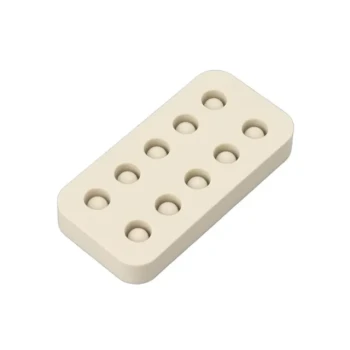
Ripe queen cells should be introduced into mating nucs on Day 11. To secure the cell, gently push the plastic base of the cell cup directly into the comb wax so that the cell hangs vertically downwards over a frame of brood.
Core Takeaway: Success relies on synchronizing the introduction one day prior to emergence (Day 11) and placing the cell in the warmest part of the hive—the center of the brood cluster—to prevent chilling.
Optimizing the Timing
The Day 11 Standard
You must introduce ripe queen cells on Day 11 of the development cycle. This timing is critical because queens typically emerge on Day 12.
Minimizing Handling Time
Waiting until Day 11 minimizes the time the cell is exposed to the new environment before hatching. This reduces the window for potential damage or chilling before the queen emerges.
Correct Placement Technique
Securing the Cell Cup
Insert the cell by pressing the plastic base of the cell cup into the comb wax. Ensure the attachment is firm enough to hold the weight of the cell but gentle enough to avoid damaging the comb structure.
Vertical Orientation
The cell must hang vertically downwards. It should be positioned directly over a frame of brood to mimic natural queen cell orientation.
Critical Environmental Factors
Combating Cold Weather
In cold weather conditions, thermal regulation is the primary failure point. You must ensure the cells are placed in direct contact with the brood.
Centering in the Cluster
Place the cell in the absolute center of the bee cluster. The warmth generated by the nurse bees in this core area is essential to prevent the developing queen from chilling and dying.
Handling Newly Formed Nucs
The Acceptance Challenge
If you are making up the mating nucs on the same day you introduce the ripe cells, the colony has not yet realized it is queenless. This can lead to aggression toward the introduced cell.
Using Cell Protectors
To mitigate rejection in same-day nucs, it is advisable to use cell protectors. These shield the sides of the cell from worker bees while allowing the queen to emerge safely from the tip.
Understanding the Risks and Trade-offs
The Fragility of Ripe Cells
While Day 11 cells are hardy enough to move, they remain sensitive to physical shock. Rough handling during insertion can damage the queen's wings or internal organs just hours before emergence.
Temperature vs. Convenience
It may be faster to place cells near the top bars or edges, but this creates a high risk of chilling. You must trade speed for precision by taking the time to open the brood nest and insert the cell where the heat is concentrated.
Ensuring Successful Queen Emergence
Follow these guidelines based on your specific operational conditions:
- If you are operating in cold weather: Prioritize placing the cell in direct contact with brood at the very center of the cluster to maintain vital incubation temperatures.
- If you are creating nucs on the same day: You must use cell protectors to prevent the worker bees from tearing down the cell before the queen emerges.
- If you are using established queenless nucs: Direct insertion into the comb wax on Day 11 is sufficient, provided the cell hangs vertically.
Precision in timing and strict temperature management are the keys to high emergence rates.
Summary Table:
| Key Factor | Requirement | Importance |
|---|---|---|
| Timing | Day 11 (1 day before emergence) | Minimizes exposure; ensures queen maturity |
| Orientation | Vertical (hanging downwards) | Mimics natural position for proper development |
| Placement | Center of the brood cluster | Ensures vital thermal regulation and warmth |
| Attachment | Press plastic cup base into wax | Secures cell without damaging the queen |
| Protection | Use cell protectors (if same-day nuc) | Prevents worker aggression and cell destruction |
Elevate Your Queen Rearing Success with HONESTBEE
At HONESTBEE, we understand that precision is the backbone of a productive commercial apiary. Whether you are a large-scale distributor or a commercial beekeeper, our comprehensive wholesale offering provides the specialized tools you need to succeed.
From high-quality cell protectors and grafting tools to advanced beekeeping machinery and essential consumables, we supply everything required to optimize your operations. Our portfolio also includes hive-making equipment and honey-themed merchandise to support every aspect of your business.
Ready to scale your production with industry-leading equipment?
Contact HONESTBEE Today to discuss how our professional-grade beekeeping solutions can drive your success.
Related Products
- Twin Queen Styrofoam Honey Bee Nucs Mating and Breeding Box
- Automatic Heat Preservation 6 Frame Pro Nuc Box for Honey Bee Queen Mating
- Portable Bee Mating Hive Boxes Mini Mating Nucs 8 Frames for Queen Rearing
- Brown Nicot Queen Cell Cups for Breeding Queen Bees Beekeeping
- Clear Black Plain Polystyrene Queen Bee Grafting Cell Cups No Lug for Bee Queen Cup
People Also Ask
- What are the benefits of using double nuc boxes in beekeeping? Boost Apiary Resilience & Growth
- What are the practical advantages of a double nuc box? Maximize Efficiency with Standardized Beekeeping Gear
- What is the frame capacity of each side in a double nuc box? Master Queen Rearing & Colony Starts
- What are the advantages of double nuc boxes in winter? Boost Survival Rates & Apiary Resilience
- What is the purpose of exploring double nuc boxes in beekeeping? Boost Apiary Resilience & Growth