Finding honey bee eggs requires the right angle, light, and magnification. Eggs are approximately 1.7 mm long and 0.4 mm wide, translucent white, and positioned upright at the bottom of cells. To inspect them effectively, remove a brood frame carefully, hold it at eye level, place bright sunlight over your shoulder, and tilt the frame gently until the cell interiors are illuminated; apiary magnifying glasses, reading lenses, head-mounted goggles, and inspection visors make confirmation substantially easier.
The most reliable method combines angled natural light with optical magnification. Look for a tiny, rice-shaped white egg standing in the center of the cell, then use a systematic inspection routine to evaluate queen activity and brood development.
How to Inspect Honeycomb Frames for Eggs
Select the Right Frame
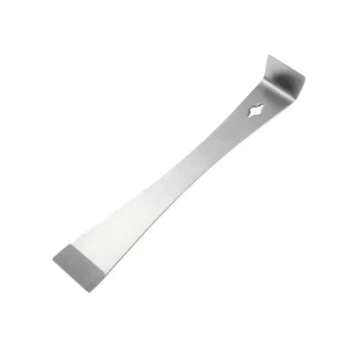
Inspect frames from the center of the brood nest, where recent queen-laying activity is most likely to be found. Use a professional hive tool to loosen frames gradually, minimizing vibration and reducing the risk of crushing bees or the queen.
Handle the frame steadily and avoid unnecessary movement. A calm, controlled inspection provides a clearer view and causes less colony disturbance.
Clear the Cell Surface
Adult worker bees can obscure the comb surface and make deep cells difficult to examine. If necessary, use a specialized bee brush gently to move bees away without damaging the comb or immature brood.
Smoke may also affect bee behavior and visibility, so a gentle brush can be useful when clear, non-destructive observation or photography is required.
Use Over-the-Shoulder Light
Hold the frame at eye level with direct sunlight shining over your shoulder and into the bottom of the cells. This lighting direction helps illuminate the deep, recessed interiors where eggs are located.
On bright days, the cell walls can still hide eggs. Slowly tilt the frame left, right, forward, or backward so that changing shadows reveal the cell bottoms.
Recognize a Healthy Egg
A honey bee egg appears translucent white and rice-shaped. It stands upright in the center of the cell during the earliest stage of development.
Because an egg is extremely small—about 0.4 mm wide—it may initially look like a tiny white line or speck rather than a complete grain of rice. Confirm the view from several angles before recording the frame as containing eggs.
Optical Equipment That Improves Accuracy
Apiary Inspection Magnifying Glasses
Handheld apiary magnifying glasses provide a simple way to enlarge cell interiors during routine inspections. They are especially useful for beekeepers who inspect a limited number of colonies and want a compact, low-cost tool.
A lens should provide a clear, distortion-free image while leaving enough working distance to avoid contacting the comb.
Head-Mounted Magnifying Goggles
Magnifying goggles or head-mounted inspection glasses keep both hands available for holding and positioning the frame. This is valuable when operators need to maintain a steady viewing angle over many frames.
For commercial apiaries, head-mounted equipment can improve workflow because the operator does not need to repeatedly pick up and put down a handheld lens.
Inspection Visors and Reading Lenses
A magnifying visor offers a broad viewing area and can be worn throughout a brood inspection. Reading lenses can also assist operators who already use corrective eyewear, provided the lenses deliver adequate clarity and working distance.
These options are practical additions to standardized hive inspection kits and can help reduce eye strain during repeated inspections.
Optical Tools for Documentation
Where brood condition must be reviewed later, a magnified camera or suitable optical inspection setup can document eggs, larvae, and capped cells. Images should be taken only after the surface is clear and the comb is held steadily under consistent lighting.
Documentation is most useful when it supports a structured record of queen performance, brood development, or frame replacement decisions.
Turning Egg Checks Into Better Hive Decisions
Confirm Queen Activity Without Finding the Queen
Fresh eggs are strong evidence that a queen has been present and laying recently. This allows operators to assess queen activity without spending time locating the queen directly.
However, the absence of visible eggs on one frame does not automatically prove queenlessness. Inspect several brood frames and consider the colony’s season, brood pattern, and recent management history.
Evaluate Brood Development
Egg inspection is the first stage of assessing the brood cycle. Operators can follow eggs through larval development and capped brood to evaluate whether the colony is maintaining a continuous and healthy brood pattern.
Consistent frame inspections provide more useful information than a single isolated observation.
Establish a Repeatable Inspection Routine
Commercial apiaries should use a consistent inspection method across colonies: inspect comparable brood frames, use similar lighting, record observations, and keep optical equipment readily available.
Once drones appear in spring, systematic brood-nest inspections every seven days can also help identify early swarm preparation, including queen cups containing eggs or larvae.
Understanding the Trade-offs
Natural Sunlight Versus Artificial Light
Sunlight is effective because it strongly illuminates the deep cell interiors and makes shadows visible. Its limitations are changing weather, time of day, and inspection location.
Artificial lighting can improve consistency, but it must be positioned so it reaches the cell bottoms rather than creating glare at the comb surface. The best setup depends on the operator’s working conditions and inspection volume.
Handheld Lenses Versus Head-Mounted Optics
Handheld magnifiers are portable and economical, but they occupy one hand and can make frame positioning less stable. Head-mounted goggles or visors cost more and require adjustment, but they provide hands-free magnification during extended inspections.
For distributors and resellers, offering both categories supports different customer requirements—from occasional hobby inspections to high-throughput commercial operations.
Magnification Does Not Replace Technique
Magnification cannot compensate for poor lighting, an incorrect frame angle, or bees covering the cells. Operators must still position the frame correctly and use changing shadows to reveal the cell bottoms.
Excessive magnification can also narrow the field of view, making it harder to scan a complete brood area efficiently.
Avoid Overinterpreting a Single Observation
Eggs can be difficult to see when the frame is shaded, the comb is irregular, or the inspection is rushed. Operators should avoid making major requeening or colony-management decisions from one uncertain frame.
A structured review of multiple brood frames, supported by clear records, produces a more reliable assessment.
How to Apply This to Your Apiary or Product Program
Use a consistent combination of frame handling, over-the-shoulder light, gentle tilting, and suitable magnification rather than relying on eyesight alone.
- If your primary focus is routine colony inspection: Use a handheld apiary magnifier or reading lens with bright natural light and inspect several central brood frames.
- If your primary focus is commercial throughput: Use head-mounted magnifying goggles or an inspection visor so both hands remain available for steady frame handling.
- If your primary focus is queen-quality assessment: Record egg presence, brood continuity, and frame location during repeat inspections rather than relying on a single observation.
- If your primary focus is distribution or resale: Maintain a complementary portfolio of handheld lenses, head-mounted optics, visors, hive tools, and gentle bee brushes to serve varied apiary workflows.
- If your primary focus is operational efficiency: Source inspection equipment through suppliers that can provide rapid response, dependable fulfillment, and coordinated product availability.
With the right optical equipment and inspection technique, even the smallest honey bee eggs become practical indicators of queen activity and colony health.
Summary Table:
| Tool | Key Benefit | Best Use Case |
|---|---|---|
| Handheld Magnifying Glass | Compact, low-cost, simple | Small apiaries, occasional inspections |
| Head-Mounted Goggles | Hands-free magnification | Commercial apiaries, high-volume checks |
| Inspection Visor | Broad viewing area, reduces eye strain | Extended inspections, detailed work |
| Magnifying Camera | Documentation and review | Record keeping, quality assessment |
Boost your apiary efficiency with premium inspection tools and equipment. At HONESTBEE, we supply a full range of optical aids, hive tools, and machinery to support your operations. Whether you're a commercial beekeeper or a distributor looking for reliable supply, we offer fast delivery, OEM/ODM support, and expert guidance. Contact us today to discuss your needs and get a tailored solution!
Related Products
- Heart-Shaped Comb Honey Frame and Honeycomb Cassette
- Plastic Honey Comb Frames Cassette Box for Honey
- Professional Sectional Comb Honey Frame with 250g Cassette System for Beekeeping
- Assembled Wooden Bee Frames with Beeswax Foundation Ready to Use by HONESTBEE
- Multi-Function Frame Grip with Integrated Hive Tool
People Also Ask
- How are honeybee combs utilized for non-destructive colony monitoring? Master Population Density Tracking
- What is a honeycomb frame? The Key to Modern, Sustainable Beekeeping
- What is the technical purpose of exchanging honeycomb frames? Master Apiary Equalization for Growth
- What frame to use for honeycomb? Choose the Right System for Pure, Edible Comb
- What is the significance of sampling honeycomb frames and hive bottoms? A Guide to Scientific Sanitation Monitoring