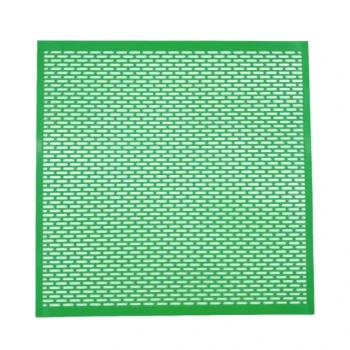
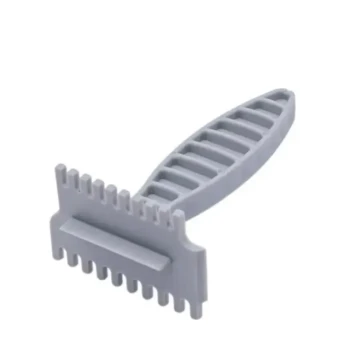
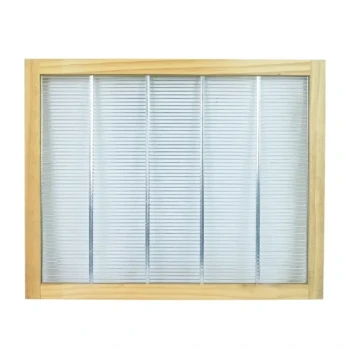
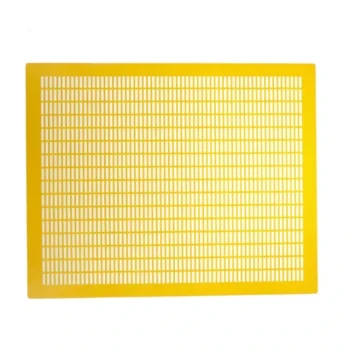
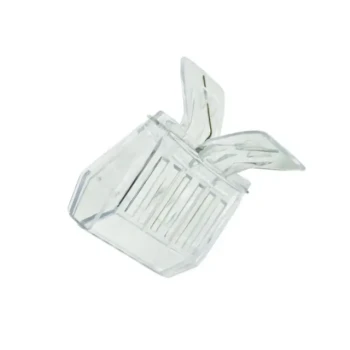
Queen excluders and protective cell cages prevent queen cell destruction by controlling access and movement. A reliable queen excluder keeps the laying queen out of the queen-rearing chamber, while individual cell protectors confine newly emerged virgin queens so they cannot chew into or attack neighboring queen cells. Used together, they protect developing queens during the most vulnerable stage and improve emergence and recovery rates.
Queen excluders stop an intruding laying queen from entering the rearing area; protective cell cages stop the first virgin queen to emerge from destroying her rivals. This two-layer approach preserves more intact queen cells for mating nuclei, colony introduction, or sale.
Why Queen Cells Are Destroyed
An Intruding Laying Queen Can Damage the Rearing Section
A laying queen entering the rearing chamber may destroy developing queen cells, especially when colony organization or equipment placement allows her access.
Installing a properly fitted queen excluder creates a physical boundary between the brood-rearing area and the queen-rearing section. The excluder must be correctly positioned and securely installed so the queen cannot bypass it through gaps or damaged equipment.
Early-Emerging Virgins Attack Their Rivals
Virgin queens are naturally driven to eliminate competing queens. The first virgin to emerge may roam across the frame, chew through sealed queen cells, and kill queens that have not yet emerged.
Holes in the sides of queen cells can indicate that a virgin queen or an intruding laying queen has reached the rearing area. This makes cell protection particularly important as queen cells approach emergence.
How Queen Excluders Protect the Rearing Chamber
They Keep the Existing Queen Outside
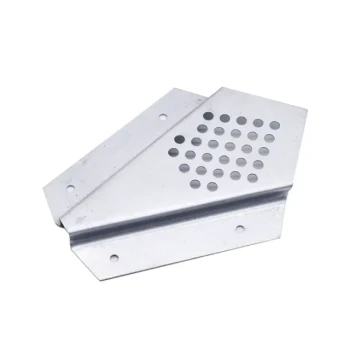
The excluder separates the colony’s laying queen from the queen-rearing zone. Worker bees can continue moving through the barrier to provide care, while the larger adult queen is prevented from entering.
This helps preserve the queen cells that the beekeeper has selected for production rather than allowing the colony’s existing queen to interfere.
They Support Consistent Colony Management
A queen excluder provides a simple, repeatable control point in a rearing hive or mating-nucleus setup. For commercial operations, consistent separation reduces avoidable cell losses and makes inspection and production planning more predictable.
Excluders should be checked for correct fit, obstructions, warping, and unintended openings before valuable queen cells are installed.
How Protective Cell Cages Prevent Virgin Queen Attacks
They Isolate Each Mature Queen Cell
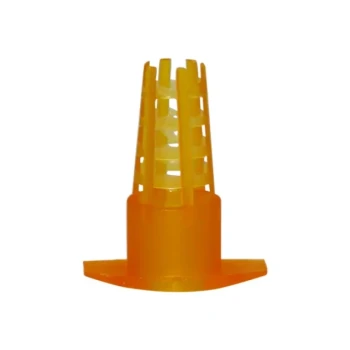
A cell protector is a perforated, cage-like enclosure fitted around an individual capped queen cell, commonly on a cell bar frame. Once installed, it creates a physical barrier between the cell and any virgin queen moving across the frame.
If one queen emerges first, she remains confined rather than reaching adjacent cells and destroying them.
They Allow Worker Care to Continue
The perforations allow nurse bees to reach the enclosed queen and provide feeding and attendance. The cage therefore isolates the queen without completely separating her from the colony’s worker support.
This is essential during the transition between emergence and removal, transfer, or introduction into a mating nucleus.
They Improve Recovery and Emergence Rates
Without protection, one early-emerging virgin can destroy several otherwise viable queen cells. Individual protectors preserve those cells until the beekeeper can collect or distribute them.
For commercial queen rearing, this can translate into more usable queens from each cell bar and more reliable order fulfillment.
Using Both Systems Together
Install the Excluder Before Queen Cells Become Vulnerable
The queen-rearing section should be protected from the laying queen before mature cells are introduced or become ready to hatch. This prevents an intruding queen from damaging the cells while the beekeeper is relying on protective cages for late-stage security.
The excluder protects the rearing chamber, while the cell cages protect individual queen cells.
Fit Cell Protectors Before Emergence
Protectors are generally placed over capped queen cells during the late rearing stage, approximately a week after grafting and before emergence, depending on the development schedule and operating conditions.
They must be fitted securely enough to prevent a newly emerged virgin from escaping, while still allowing worker access through the perforations.
Plan the Transfer Window
Protected queens should be collected or transferred according to the operation’s schedule. This may involve moving virgin queens to mating nuclei, placing them in queen cages for temporary isolation, or preparing them for introduction into another colony.
The goal is not indefinite confinement; it is to maintain protection during the short period when multiple queens may emerge and compete.
Understanding the Trade-offs
Equipment Quality Directly Affects Protection
A poorly fitting excluder, damaged cage, or blocked perforation can defeat the purpose of the system. Distributors and beekeepers should prioritize reliable dimensions, durable materials, secure attachment, and consistent fit across the frames and hive equipment being used.
A low-cost product that allows escapes or requires frequent replacement can create greater losses than its purchase price suggests.
Protection Requires Timely Inspection
Cell protectors do not eliminate the need for monitoring. Beekeepers still need to check emergence, worker attendance, cage attachment, and the condition of the queen cells.
Late installation may leave a cell exposed, while delayed removal or transfer may complicate handling and scheduling.
Queen Excluders Are Not a Complete Substitute for Cell Cages
An excluder may keep the laying queen away but cannot necessarily prevent a newly emerged virgin from reaching neighboring cells within the rearing section. The two tools address different threats and should not be treated as interchangeable.
Cages Must Preserve Worker Access
A cage that isolates the queen but restricts feeding or attendance can compromise the transition period. Perforations, ventilation, and spacing must be appropriate for worker contact without allowing the queen to escape or rival queens to attack her.
How to Apply This to Your Queen-Rearing Operation
The most effective setup combines colony-level separation with cell-level protection:
- If your primary focus is maximum emergence rates: Install a reliable queen excluder and fit individual protectors before the queen cells reach emergence.
- If your primary focus is commercial production: Standardize excluder and cell-protector specifications across your equipment to reduce losses, simplify inspections, and improve order fulfillment.
- If your primary focus is mating-nucleus preparation: Use protective cages to hold newly emerged virgins safely until they can be transferred without allowing them to destroy rival cells.
- If your primary focus is sourcing and distribution: Select suppliers offering compatible, durable equipment, responsive technical support, and dependable delivery for uninterrupted rearing schedules.
With the right combination of exclusion, individual protection, and timely handling, beekeepers can turn queen-cell survival into a controlled and repeatable production process.
Summary Table:
| Tool | Function | When to Use | Benefit |
|---|---|---|---|
| Queen Excluder | Blocks laying queen from entering rearing area | Before queen cells are introduced | Prevents queen from destroying cells |
| Protective Cell Cage | Isolates individual queen cells | Just before emergence | Prevents virgin queens from attacking rival cells |
| Combined Use | Provides both colony-level and cell-level protection | Throughout late rearing stage | Maximizes queen survival and improves efficiency |
Upgrade your queen-rearing efficiency with premium queen excluders and cell protectors from HONESTBEE. Our wholesale solutions cater to commercial apiaries and distributors, offering a full spectrum of beekeeping tools and equipment. With fast delivery, OEM/ODM support, and dedicated service, we ensure your operations run smoothly. Contact us today to secure your supply and boost your productivity!
Related Products
- High Performance Plastic Queen Excluder for Beekeeping and Apiary Management
- Lightweight Durable Plastic Queen Excluder Scraper for Beekeeping
- Premium Wood Framed Metal Wire Queen Bee Excluder
- Professional Plastic Queen Excluder for Modern Beekeeping
- Metal Queen Bee Excluder for Beekeeping
People Also Ask
- What are the characteristics of a plastic queen excluder? Key Benefits for Cost-Effective Beekeeping
- What are the operational and cost advantages of using plastic queen excluders over metal or wire excluders in commercial hive management? Discover how they reduce labor, prevent wing damage, and lower total costs.
- What types of queen excluders are available for beekeepers? Choose the Right Tool for Your Hive
- Why are standardized hive frames and queen excluders essential for maintaining honey purity and quality? Scale Your Purity
- Do plastic queen excluders work? A Cost-Effective Solution for Modern Apiaries