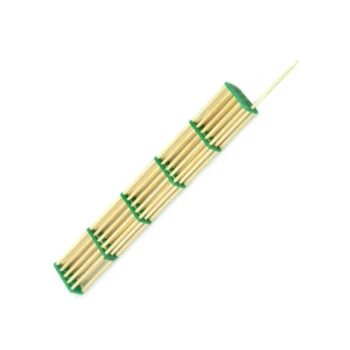
Acaricides function as specialized chemical control agents designed to target and eliminate Varroa destructor mites, the external parasites that feed on the bodily fluids of honeybee pupae and adults. Through precise neurotoxic mechanisms, such as disrupting cell membranes or blocking nerve receptors, these treatments induce mite mortality to suppress infestation levels rapidly, preventing the physical debilitation of the hive.
By effectively lowering parasite loads, acaricides do more than kill mites; they break the vector cycle for deadly viruses and preserve the colony's population density, ensuring it retains the strength required for pollination, honey production, and winter survival.
The Mechanisms of Action
Targeting Neural Pathways
Synthetic acaricides function primarily through neurotoxicity, attacking the nervous system of the mite.
Agents like fluvalinate operate by inducing continuous depolarization of cell membranes, effectively short-circuiting the mite's nervous system.
Others, such as amitraz, target octopamine receptors, disrupting essential biological signaling.
Inducing Parasite Drop
The immediate physical result of this chemical exposure is the paralysis or death of the mite.
Once affected, the mites lose their grip on the host bee and fall to the bottom of the hive.
This mechanism allows the colony to shed its parasitic load, halting the direct physical damage caused by mites feeding on developing and adult bees.
Breaking the Disease Cycle
Interrupting Viral Transmission
Varroa mites act as primary vectors for several debilitating honeybee pathogens, including Deformed Wing Virus and Slow Paralysis Virus.
By using acaricides to eliminate the vector (the mite), beekeepers effectively break the transmission cycle of these viruses.
Preventing Colony Collapse
Reducing the viral load is essential for preventing large-scale colony collapse.
Without chemical intervention, the combination of direct feeding damage and viral infection leads to shortened honeybee lifespans and wing deformities, rendering the workforce incapable of flight or labor.
Strategic Application and Diagnostics
Establishing Winter Viability
Acaricides are particularly critical during the pre-winter period.
Applying these treatments before winter prevents high parasite loads from developing when the colony is most vulnerable.
This creates a "sanitary foundation," ensuring a high survival rate and a population strong enough to maintain hive temperature through the cold season.
Evaluating Genetic Resistance
Beyond control, acaricides serve as standardized diagnostic tools for breeding programs.
By applying a uniform treatment during a broodless period, breeders can induce a "mite drop" to count the fallen parasites.
This provides a quantitative basis for assessing which bee breeding lines possess natural tolerance or resistance, aiding in the selection of superior genetic varieties.
Understanding the Trade-offs
The Necessity of Precision
While effective, these agents are distinct chemical interventions that require precise application.
Improper use can fail to achieve the necessary mortality rates among the mite population, leaving the colony exposed to regrowth of the infestation.
Reliance on Synthetic Agents
Commercial stability often relies on the high efficacy of synthetic agents to manage severe threats.
While these treatments are powerful tools for reducing mortality, they represent a chemical approach to management that focuses on immediate suppression rather than long-term ecological balance.
Making the Right Choice for Your Goal
To effectively utilize acaricides, align your usage with your specific apiary objectives:
- If your primary focus is commercial survival: Prioritize high-efficacy synthetic acaricides during the pre-winter period to rapidly reduce mite loads and ensure the colony survives until spring.
- If your primary focus is disease management: Use these agents specifically to break the transmission vector of viruses like Deformed Wing Virus before they become endemic in the hive.
- If your primary focus is genetic selection: Utilize specialized miticides as a diagnostic tool to quantify mite loads and identify breeding lines with superior natural resistance.
Effective mite management is not just about killing parasites; it is about securing the health foundation necessary for a productive and resilient apiary.
Summary Table:
| Mechanism / Benefit | Action Description | Key Impact on Colony |
|---|---|---|
| Neurotoxicity | Targets octopamine receptors & cell membranes | Rapid mite paralysis and mortality |
| Parasite Drop | Forces mites to detach from host bees | Immediate reduction in parasitic load |
| Viral Control | Interrupts vectors (e.g., Deformed Wing Virus) | Prevents disease transmission and deformities |
| Winter Foundation | Pre-winter treatment application | Ensures high population density for winter survival |
| Diagnostic Tool | Standardized mite-drop counts | Identifies mite-resistant bee breeding lines |
Secure Your Apiary’s Success with HONESTBEE
Protecting your honeybee colonies from Varroa mites requires precision tools and high-quality treatments. HONESTBEE is dedicated to supporting commercial apiaries and distributors with a comprehensive wholesale range of beekeeping solutions. From high-efficacy acaricides to advanced honey-filling and hive-making machinery, we provide the essential equipment and consumables needed to scale your operations.
Partner with HONESTBEE today to enhance your productivity and ensure hive resilience.
Contact our team for wholesale inquiries and expert support
References
- Tamana Chauhan, Arshdeep Singh. REVIEW ON HONEYBEE : MIRACLE AGENT OF POLLINATION. DOI: 10.51470/plantarchives.2021.v21.s1.363
This article is also based on technical information from HonestBee Knowledge Base .
Related Products
- Oxalic Acid Vaporizer 12V for Bee Varroa Mite Treatment
- Compact Circular Bee Mite Treatment Dispenser
- Adjustable Formic and Acetic Acid Dispenser for Bee Mite Treatment
- Durable 12V Oxalic Acid Vaporizer for Varroa Mite Treatment Beehive Beekeeping Tool
- Heavy Duty 12V Oxalic Acid Evaporator Vaporizer for Bee Varroa Mite Treatment Beekeeping Fumigator Atomizer
People Also Ask
- What factors determine how often to treat for varroa mites with oxalic acid? Time Your Treatment for Maximum Efficacy
- What are the technical advantages of using professional Sublimators? Maximize Mite Control with Precision Vaporizers
- What is the technical objective of applying oxalic acid via a sprayer? Maximize Varroa Resistance in Your Apiary
- How can oxalic acid treatment be applied effectively when capped brood is present? Master the 3-Stage Vapor Protocol
- What is the overall goal of using oxalic acid in late fall for beekeepers? Maximize Winter Survival with a Broodless Treatment